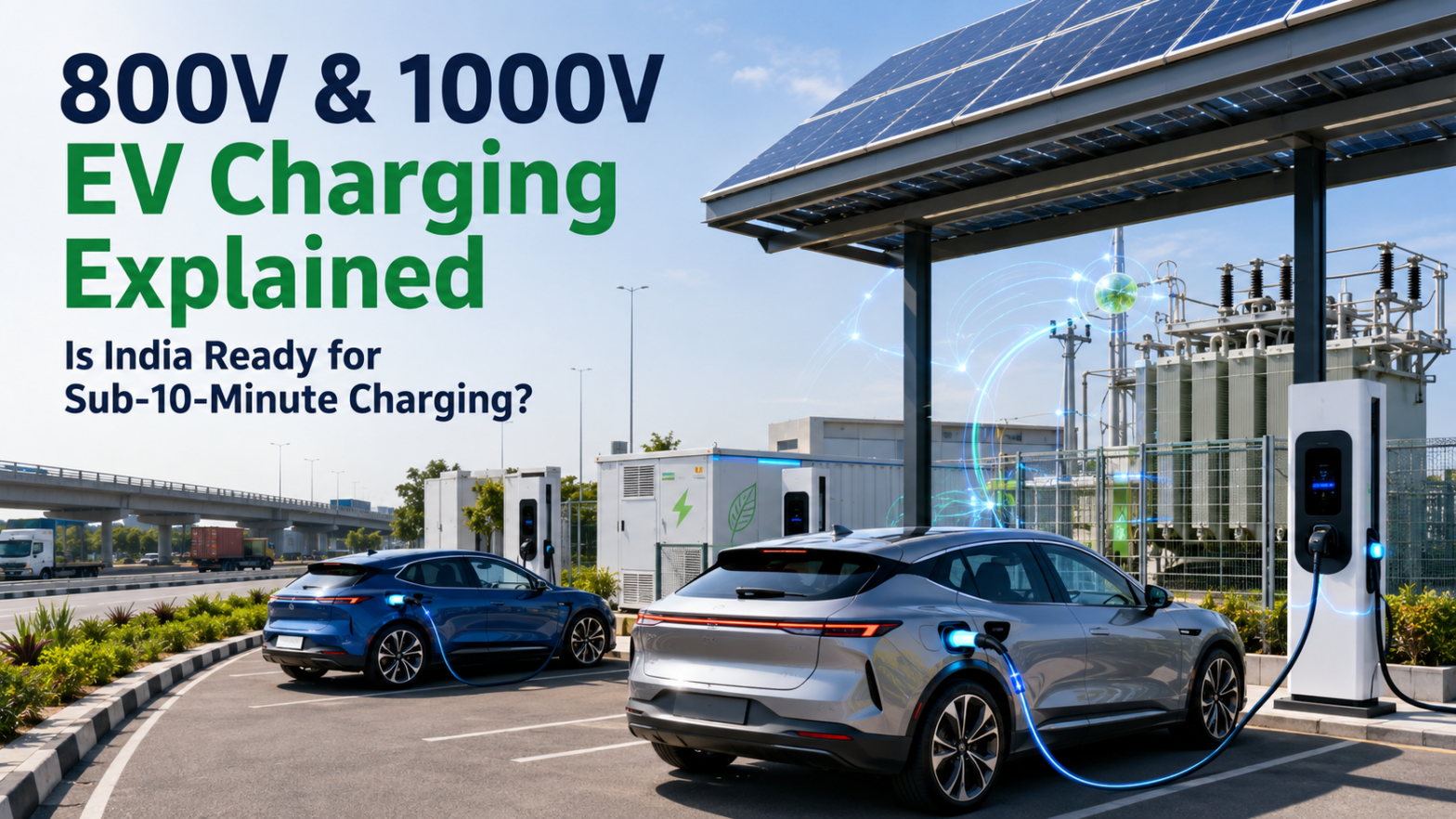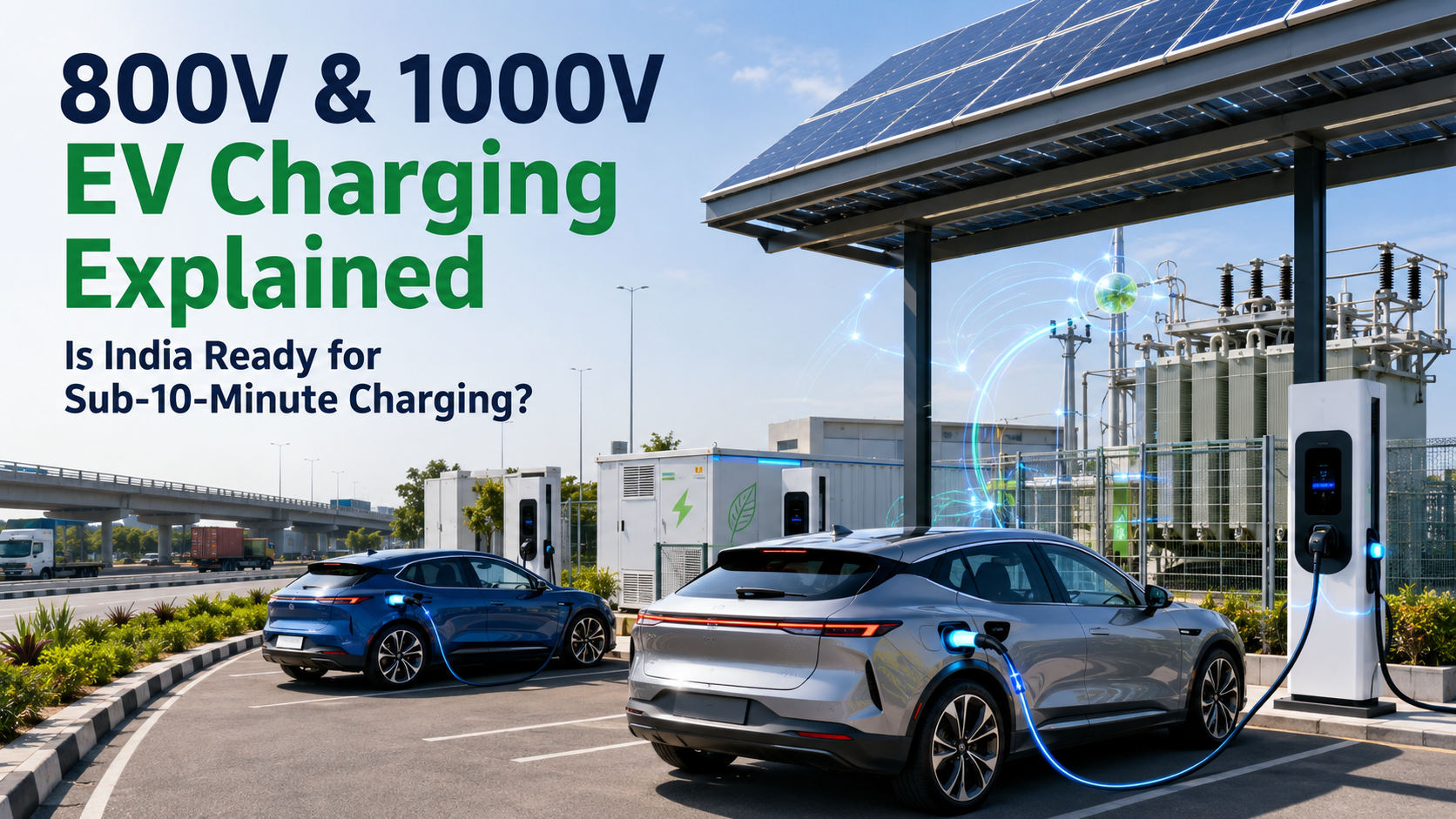
Electric vehicle charging technology is advancing rapidly. While many electric cars continue to use battery systems operating at approximately 400 volts, a growing number of newer EV platforms are moving towards 800V and 1000V electrical architectures.
These higher-voltage systems are designed to support faster charging, reduce electrical losses and improve power delivery without requiring extremely high current.
The International Energy Agency reported that the first 1000V electric vehicle models entered the market in 2025, while announcements of charging times below ten minutes continued into 2026. However, the technology needed to achieve these charging speeds involves much more than simply installing a powerful charger.
The vehicle battery, charging station, connector, cable cooling, power electronics, electricity connection and thermal management system must all support the required voltage and charging power.
This raises an important question for charging station operators and EV infrastructure businesses:
Is India ready for sub-10-minute electric vehicle charging?
The answer is that India is moving towards ultra-fast charging, but widespread sub-10-minute charging will require significant development in vehicles, batteries, electrical infrastructure and charging station economics.
What Does 400V, 800V or 1000V Mean in an Electric Vehicle?
The voltage figure describes the approximate operating voltage of the electric vehicle’s high-voltage battery and powertrain system.
An EV battery contains hundreds or thousands of individual battery cells. These cells are connected in series and parallel to create the voltage, capacity and power required by the vehicle.
Common EV voltage architectures include:
- Approximately 400V
- Approximately 800V
- Approximately 1000V
These figures are nominal descriptions rather than exact fixed voltages.
The actual operating voltage may change according to:
- Battery state of charge
- Battery chemistry
- Cell configuration
- Vehicle design
- Charging conditions
- Battery temperature
A vehicle described as having an 800V architecture may therefore operate across a range of voltages rather than remaining at exactly 800 volts.
Why Do Electric Vehicles Use Higher Voltage?
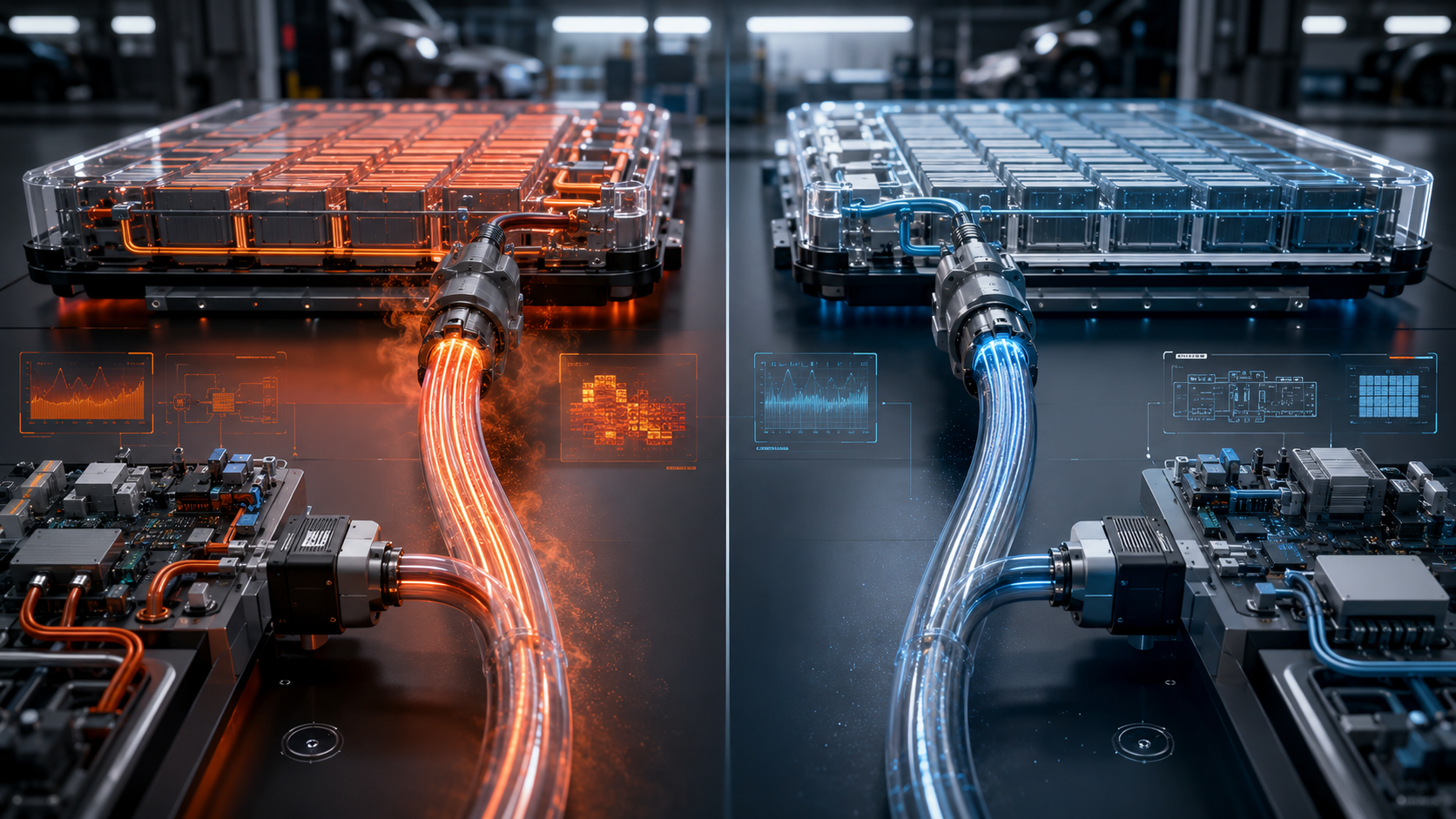
The relationship between voltage, current and electrical power can be explained using the following formula:
Power = Voltage × Current
This means a charging system can deliver more power by increasing:
- Voltage
- Current
- Both voltage and current
However, increasing current creates additional heat and requires larger cables, stronger connectors and more demanding cooling systems.
At the same current level, increasing the battery voltage from 400V to 800V can theoretically double the amount of power delivered, provided the vehicle, charger and other components support that power.
Alternatively, when delivering the same power, doubling the voltage can reduce the required current by half.
The International Energy Agency explains that because resistive heat losses are related to the square of the current, reducing current by half can reduce those losses by approximately 75%.
Higher-voltage systems can therefore support:
- Faster charging
- Lower current for the same power
- Reduced cable heating
- Smaller or lighter high-voltage cables
- More efficient power delivery
- Better sustained performance
- Greater flexibility for high-power chargers
However, higher voltage also increases engineering complexity, component requirements and cost.
400V vs 800V vs 1000V EV Architecture
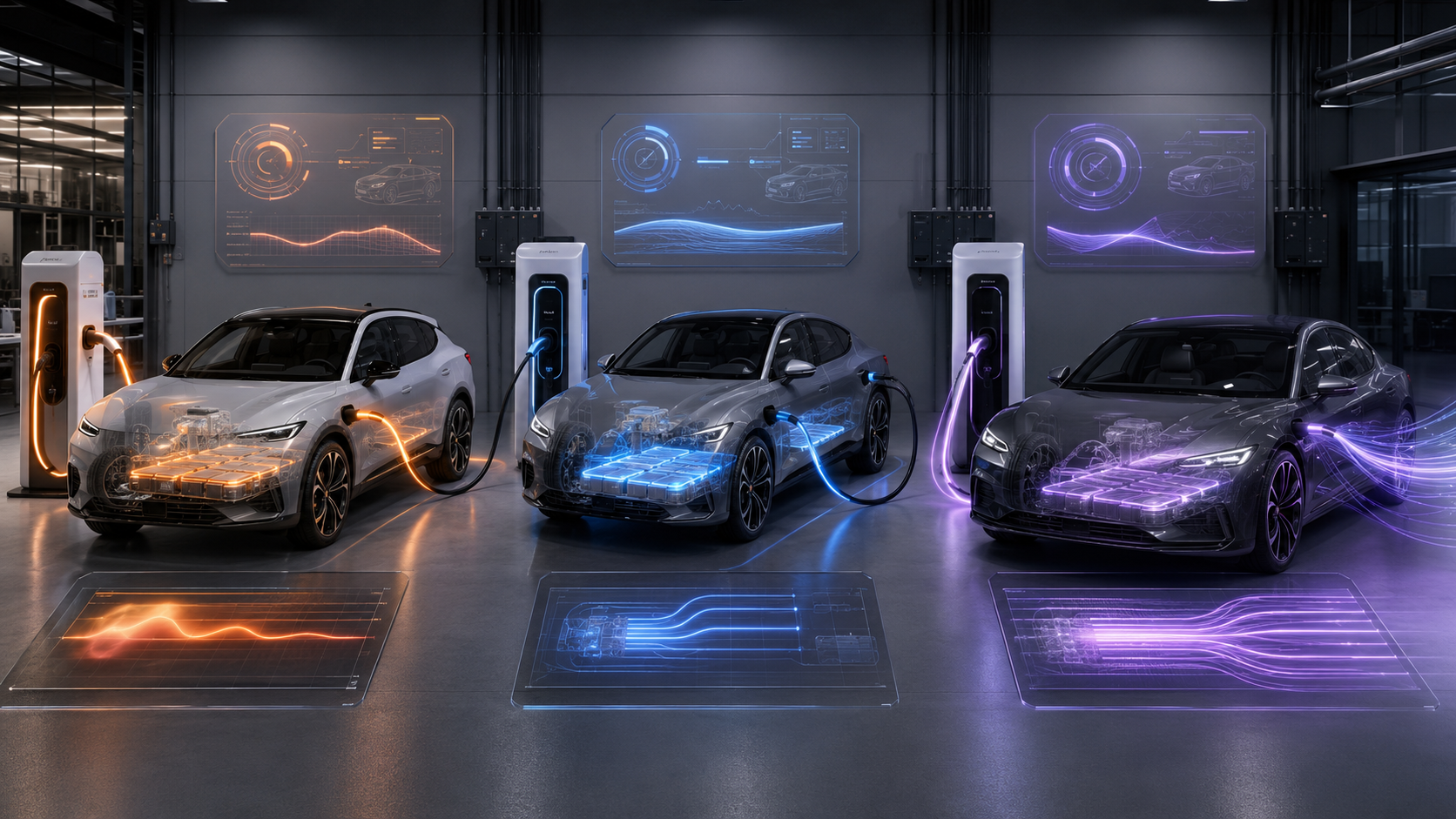
400V EV Architecture
A 400V architecture has been widely used across electric passenger vehicles.
It can support:
- AC home charging
- Workplace charging
- Moderate DC fast charging
- Public fast charging
- Highway charging
A well-designed 400V vehicle can still charge quickly. Charging speed depends on the battery’s ability to accept power, not only its nominal voltage.
However, delivering very high charging power at approximately 400V requires high current.
For example, delivering 200 kW at 400V theoretically requires:
200,000 watts ÷ 400 volts = 500 amperes
Delivering 350 kW at 400V theoretically requires:
350,000 watts ÷ 400 volts = 875 amperes
Such high current creates greater heat and places more pressure on charging cables, connectors and power electronics.
800V EV Architecture
An 800V system can deliver the same charging power using approximately half the current of a comparable 400V system.
For example, delivering 350 kW at 800V theoretically requires:
350,000 watts ÷ 800 volts = 437.5 amperes
This lower current can help reduce heat and electrical losses.
Several production EV platforms already use 800V technology. Hyundai Motor Group states that its 800V E-GMP vehicles can support charging from 10% to 80% in approximately 18 minutes under suitable conditions. Porsche states that its updated 800V Taycan can charge at up to 320 kW and complete a 10% to 80% session in approximately 18 minutes under specified conditions.
An 800V architecture may provide:
- Higher peak charging power
- Better sustained charging performance
- Reduced electrical losses
- Lower current for the same power
- Reduced cable weight inside the vehicle
- Improved powertrain efficiency
- Better support for performance EVs
1000V EV Architecture
A 1000V architecture takes the high-voltage approach further.
It can potentially support:
- Charging power above 400 kW
- Higher sustained charging rates
- Lower current at equivalent power
- Faster charging for larger batteries
- High-performance passenger vehicles
- Electric buses and commercial vehicles
The International Energy Agency reported that the first 1000V models appeared in 2025 as vehicle manufacturers continued developing higher-voltage platforms and ultra-fast-charging batteries.
However, a 1000V vehicle will not automatically charge in less than ten minutes. The battery cells, battery pack, charger, connector, cooling system and charging curve must all support the required performance.
Does Higher Voltage Automatically Mean Faster Charging?
No.
Higher voltage creates the potential for faster charging, but it does not guarantee it.
Actual charging speed depends on several factors.
Battery Cell Chemistry
The battery cells must be capable of accepting high charging power without:
- Excessive heat
- Lithium plating
- Accelerated degradation
- Cell damage
- Safety risks
A vehicle may have an 800V system but still use a conservative charging rate to protect the battery.
Battery State of Charge
EV batteries generally accept their highest charging power when the state of charge is relatively low.
Charging power usually decreases as the battery approaches a higher state of charge.
This is why manufacturers commonly communicate charging times between:
- 10% and 80%
- 20% and 80%
- 10% and 70%
Charging from 80% to 100% normally takes longer because the Battery Management System reduces power to protect the cells.
Battery Temperature
A battery that is too cold or too hot may not accept maximum charging power.
Many modern EVs use battery preconditioning to bring the battery closer to its preferred temperature before reaching a fast-charging station.
Charger Output
A vehicle capable of accepting 350 kW will not receive that power from a 120 kW charger.
The charger must support the vehicle’s:
- Voltage range
- Maximum current
- Communication protocol
- Connector
- Charging power
Charging Curve
The advertised peak power may be available for only a short part of the charging session.
A vehicle that briefly reaches 400 kW may not necessarily charge faster than another vehicle that sustains 300 kW for a longer period.
The average charging power across the complete session is therefore more important than the peak number alone.
Power Sharing
Some charging stations divide power between two charging guns.
A charger advertised as 240 kW may provide only 120 kW to each vehicle when both connectors are being used.
Thermal Management
The charger cable, charging connector, vehicle battery and power electronics generate heat during high-power charging.
Liquid cooling may be required to maintain safe temperatures and prevent charging power from being reduced.
How Much Power Is Needed for Sub-10-Minute Charging?
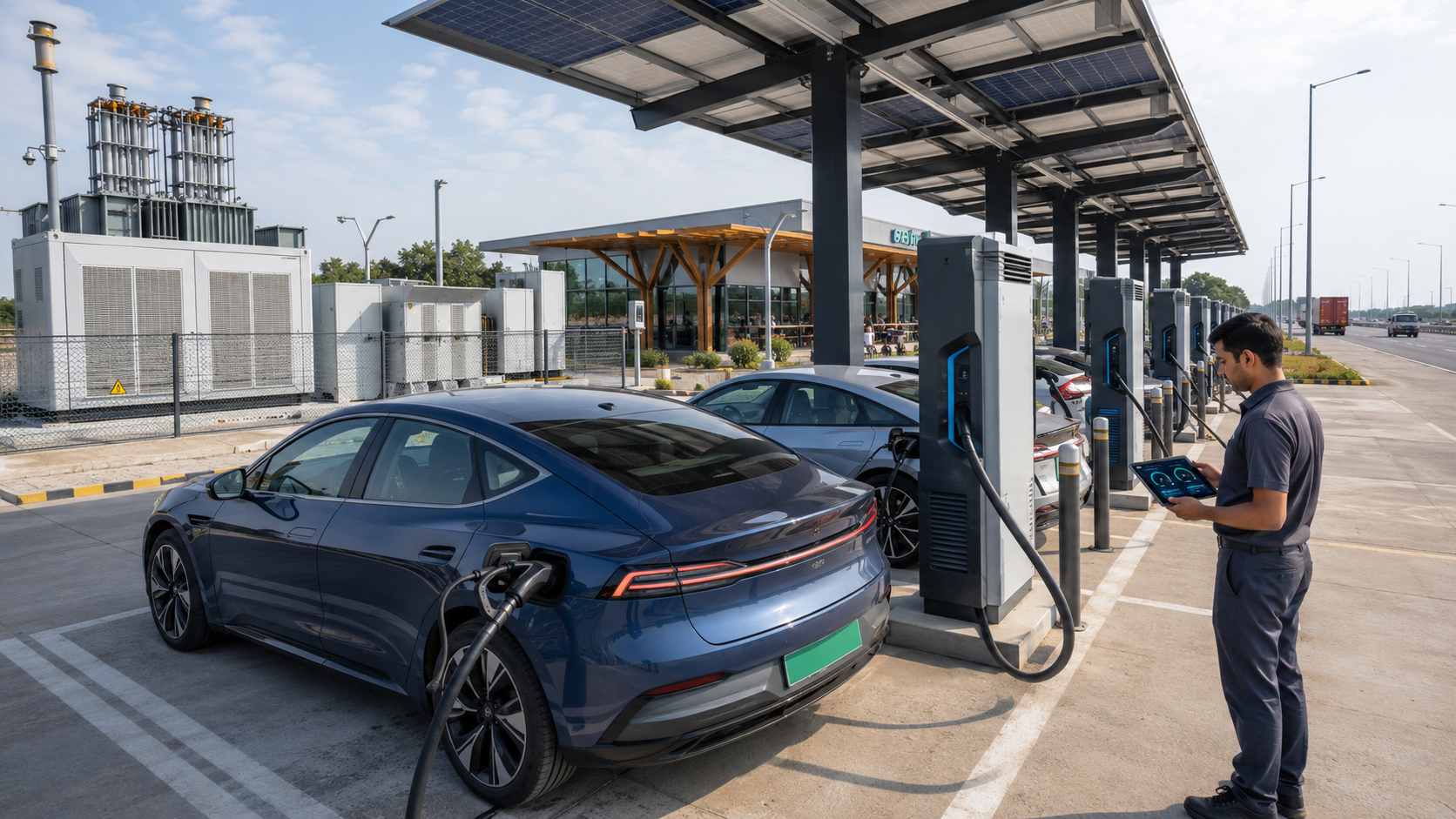
The required charging power depends on:
- Battery size
- Charging window
- Battery state of charge
- Charging efficiency
- Charging curve
Consider an EV with an 80 kWh battery.
Charging from 10% to 80% adds approximately 70% of the battery capacity:
80 kWh × 70% = 56 kWh
To deliver 56 kWh in ten minutes, the charger would need to maintain an average battery input of approximately:
56 kWh ÷ 0.1667 hour = 336 kW
This is the required average power, not merely the peak charging power.
Because charging power normally rises and falls throughout the session, the charger and vehicle may need to support a peak significantly above 336 kW.
Now consider a vehicle with a 100 kWh battery.
Charging from 10% to 80% requires approximately:
100 kWh × 70% = 70 kWh
To deliver this energy in ten minutes, the average power would need to be:
70 kWh ÷ 0.1667 hour = approximately 420 kW
After accounting for conversion losses and charging-power variation, the required charger output may be even higher.
This explains why sub-10-minute charging is generally associated with:
- 800V or 1000V battery systems
- High-power battery cells
- Chargers above 400 kW
- Advanced liquid cooling
- Strong grid connections
- Battery energy storage
- Sophisticated thermal management
Are Sub-10-Minute EV Charging Claims Realistic?
Sub-10-minute charging is technically possible, but claims must be interpreted carefully.
A manufacturer may advertise:
- 10% to 70% in five minutes
- 10% to 80% in ten minutes
- A selected driving range added in five minutes
- A peak power above 500 kW
These claims do not necessarily mean the vehicle can charge from empty to full in less than ten minutes.
In March 2026, BYD announced a second-generation battery and FLASH charging system capable, under the company’s stated test conditions, of charging from 10% to 70% in five minutes and reaching 97% in nine minutes. BYD also announced a single-connector charger output of up to 1500 kW combined with battery storage. These are manufacturer-announced figures and will depend on compatible vehicles, stations and operating conditions.
When evaluating ultra-fast charging claims, users should check:
- Starting state of charge
- Ending state of charge
- Battery capacity
- Peak power
- Average charging power
- Ambient temperature
- Battery temperature
- Charger type
- Vehicle model
- Whether the result is laboratory-tested or publicly available
Can an 800V EV Use a 400V Charger?
It depends on the vehicle’s design.
Some 800V electric vehicles include an internal voltage-boosting system that allows them to use a 400V DC charger.
For example, Hyundai Motor Group’s E-GMP platform supports both 400V and 800V charging by using vehicle power electronics to convert the incoming voltage when required.
Other vehicles may:
- Charge at a reduced rate
- Require a dedicated voltage booster
- Depend on an optional charging component
- Be limited by the charger’s voltage range
Porsche states that its updated 800V Taycan can charge at up to 320 kW on a compatible 800V charger but is limited to lower power when using a 400V charging point.
Charging station operators should therefore select chargers with a sufficiently wide output-voltage range to support both current and future electric vehicles.
Can a 400V EV Use an 800V or 1000V Charger?
A high-voltage charging station can support a 400V vehicle when the charger is designed to adjust its output to the lower vehicle voltage.
The charger must be capable of operating across a suitable voltage range.
A charger with a maximum output of 1000V does not continuously supply 1000V to every connected vehicle. It communicates with the vehicle and delivers the voltage and current requested within its supported range.
Compatibility depends on:
- Charger voltage range
- Vehicle battery voltage
- Connector type
- Communication standard
- Charger software
- Vehicle charging limit
Even when compatible, a 400V vehicle will not gain 800V charging performance. It will remain limited by its battery architecture, maximum current and charging curve.
What Infrastructure Does an 800V or 1000V Charging Station Need?
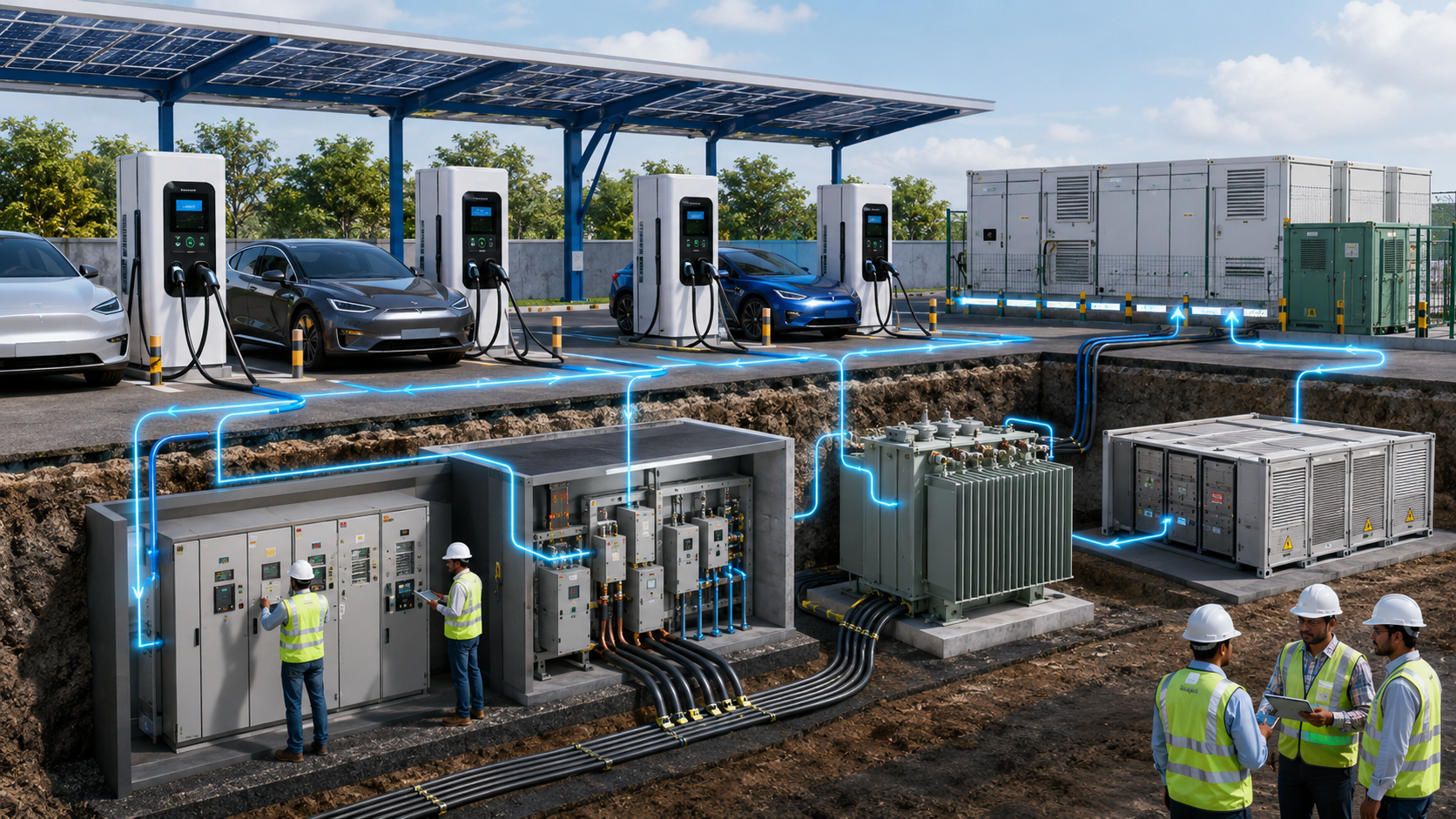
Installing an ultra-fast charger requires more than placing a charging unit beside a parking bay.
The complete station may require the following infrastructure.
High-Capacity Electricity Connection
A single 350 kW charger operating at full output can demand more power than many small commercial properties.
A station with four 350 kW chargers could theoretically require:
4 × 350 kW = 1,400 kW
The actual site demand may be lower through power sharing, but the electricity connection must still be planned carefully.
Distribution Transformer
A dedicated transformer may be required to supply the charging station.
The transformer rating should consider:
- Number of chargers
- Charger efficiency
- Simultaneous usage
- Future expansion
- Auxiliary equipment
- Safety margin
High-Capacity Electrical Panels
The station may require:
- High-tension panels
- Low-tension panels
- Circuit breakers
- Isolation equipment
- Protection relays
- Metering
- Earthing
- Surge protection
High-Power Charger Modules
Ultra-fast chargers commonly use modular power units.
These modules can:
- Combine power for one vehicle
- Share power between multiple charging guns
- Continue operating at reduced capacity if one module fails
- Support future capacity upgrades
Liquid-Cooled Charging Cables
High-power charging cables may need liquid cooling to control connector and cable temperature.
Liquid-cooled cables can support higher current without becoming excessively heavy or difficult for customers to handle.
Charger Management System
The Charger Management System can control:
- Charger availability
- User authentication
- Power distribution
- Charging sessions
- Billing
- Remote diagnostics
- Fault alerts
- Software updates
- Energy reporting
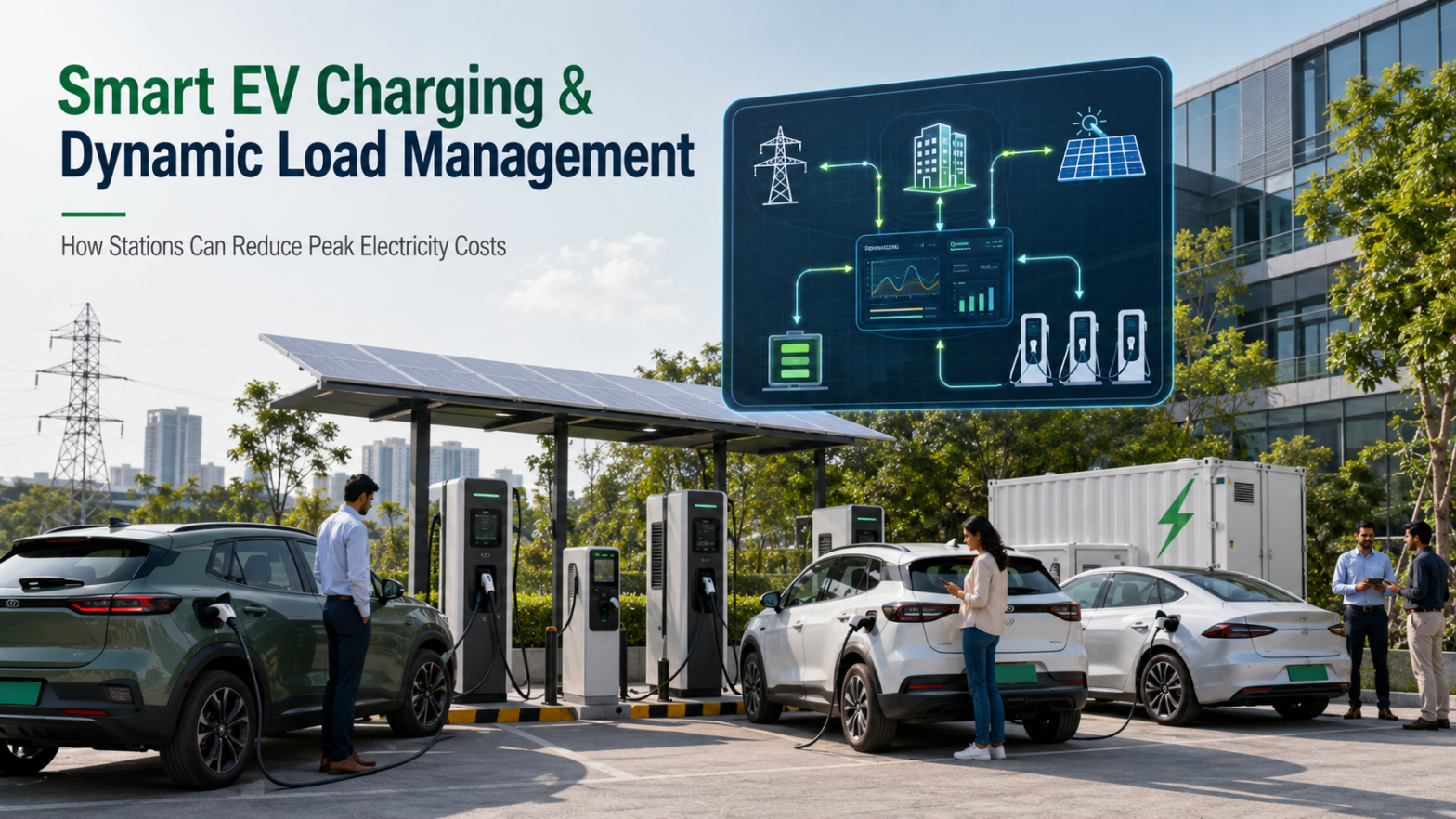
Dynamic Load Management
The charging station may not need to provide the maximum rated power of every charger at the same time.
Dynamic load management can distribute available electricity according to:
- Number of connected vehicles
- Vehicle charging limits
- Customer priority
- Site capacity
- Electricity tariffs
- Battery storage availability
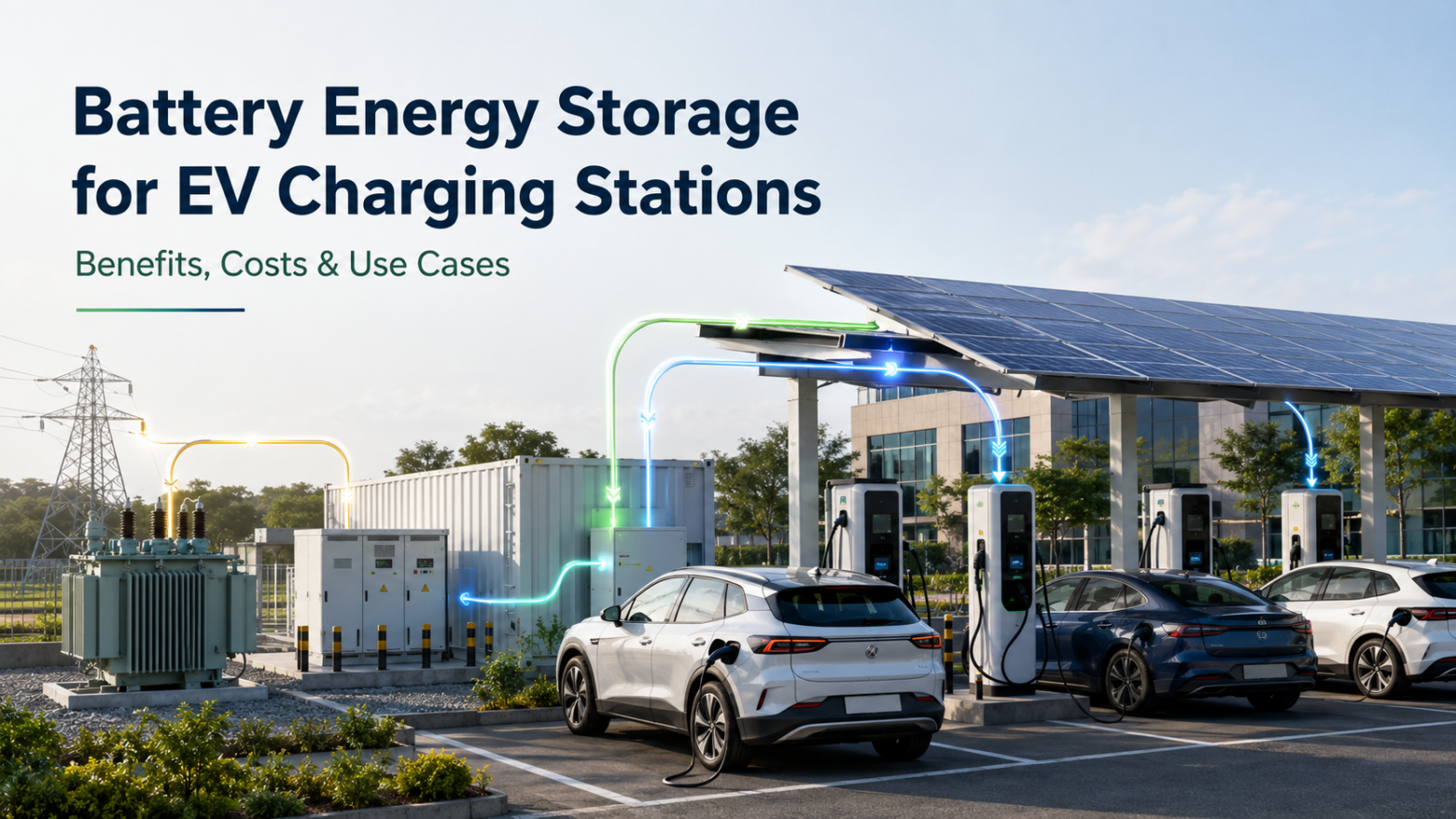
Battery Energy Storage System
A Battery Energy Storage System can support short periods of high-power charging.
The battery can charge gradually from the grid and discharge quickly when several vehicles require ultra-fast charging.
BYD’s announced 1500 kW FLASH charging system uses energy storage to reduce pressure on the local electricity network.
Solar Energy
Solar panels can contribute energy to the site, particularly when installed over charging bays.
However, solar generation alone is unlikely to continuously supply several ultra-fast chargers.
Solar works more effectively when combined with:
- Grid electricity
- Battery storage
- Smart charging
- Energy management
Indian Standards for High-Power EV Chargers
India’s Ministry of Power charging guidelines recognise several charging-power levels.
The current guideline table includes:
- AC chargers up to 7 kW for light EVs
- DC chargers up to 12 kW for light EVs
- Approximately 11 kW and 22 kW AC charging
- DC charging from 50 kW to 250 kW for passenger vehicles, buses and trucks
- High-power DC charging from above 250 kW to 500 kW for electric buses and trucks
The guidelines also require chargers to comply with applicable BIS standards, electrical-safety requirements and type-testing through an accredited laboratory.
This demonstrates that India’s regulatory framework already recognises high-power charging classes.
However, passenger-car charging above 250 kW will require suitable vehicles, certified charging equipment, adequate electricity connections and continued alignment between infrastructure standards and new vehicle technologies.
Is India’s Charging Network Ready?
India’s charging network is expanding.
The International Energy Agency estimated that India had approximately 88,000 public charging points in 2025, representing growth of around 15% compared with the previous year. It also noted that PM E-DRIVE funding aims to support thousands of additional fast chargers.
However, the number of public chargers does not show how many are capable of delivering:
- 150 kW
- 250 kW
- 350 kW
- 500 kW or more
- 800V or 1000V output
Many current public charging points are designed for:
- Electric two-wheelers
- Electric three-wheelers
- Low-power AC charging
- Moderate DC charging
- Existing 400V passenger vehicles
India therefore has a growing charging foundation, but sub-10-minute charging requires a different level of infrastructure.
Challenges for Sub-10-Minute Charging in India
1. Limited Number of Compatible Vehicles
An ultra-fast charger delivers its full value only when enough vehicles can accept high charging power.
Globally, the International Energy Agency found that only about 30% of battery-electric cars can currently benefit from ultra-fast charging. In 2025, approximately 160 available models could charge above 150 kW, while only about 50 could exceed 250 kW.
The compatible vehicle population in India is still likely to be concentrated in premium and newer-generation EV segments.
Installing a 500 kW charger for vehicles that accept only 60 kW or 120 kW may result in poor asset utilisation.
2. High Electricity Connection Requirements
A multi-charger ultra-fast station may require a megawatt-level connection.
Obtaining this capacity can involve:
- Transformer installation
- High-tension connection
- Utility approval
- Substation upgrades
- Electrical protection
- Civil work
- Long implementation timelines
3. High Equipment Cost
Ultra-fast chargers cost more than lower-power charging equipment because they require:
- More power modules
- Advanced power electronics
- Liquid cooling
- High-capacity connectors
- Stronger protection systems
- Sophisticated software
- Greater electrical infrastructure
4. Charger Utilisation
A charger’s commercial success depends on how frequently it is used.
A high-power charger may be technically impressive but financially difficult to justify when:
- Compatible EV traffic is low
- Vehicles charge mainly at home
- Highway demand is seasonal
- Drivers prefer lower-cost charging
- Nearby vehicles cannot accept the available power
5. Electricity Demand Charges
Depending on the state and electricity tariff, a charging operator may incur costs related to maximum demand or sanctioned load.
A charger used for only a few minutes may still create a high site peak.
Battery storage and load management can help, but they also add investment cost.
6. Battery Charging Limitations
Not every battery can safely accept ultra-fast charging.
Vehicle manufacturers must balance:
- Charging time
- Battery life
- Range
- Weight
- Safety
- Cost
- Thermal management
7. Climate and Temperature
High ambient temperatures can increase the cooling requirements of:
- EV batteries
- Charger power modules
- Charging connectors
- Battery storage systems
Charging stations in India need thermal designs suited to local conditions.
8. Site Design
Ultra-fast highway stations require sufficient space for:
- Vehicle queues
- Charging bays
- Transformer equipment
- Battery storage
- Electrical panels
- Fire-safety access
- Future expansion
- Waiting facilities
Where Should India Deploy Ultra-Fast Chargers First?
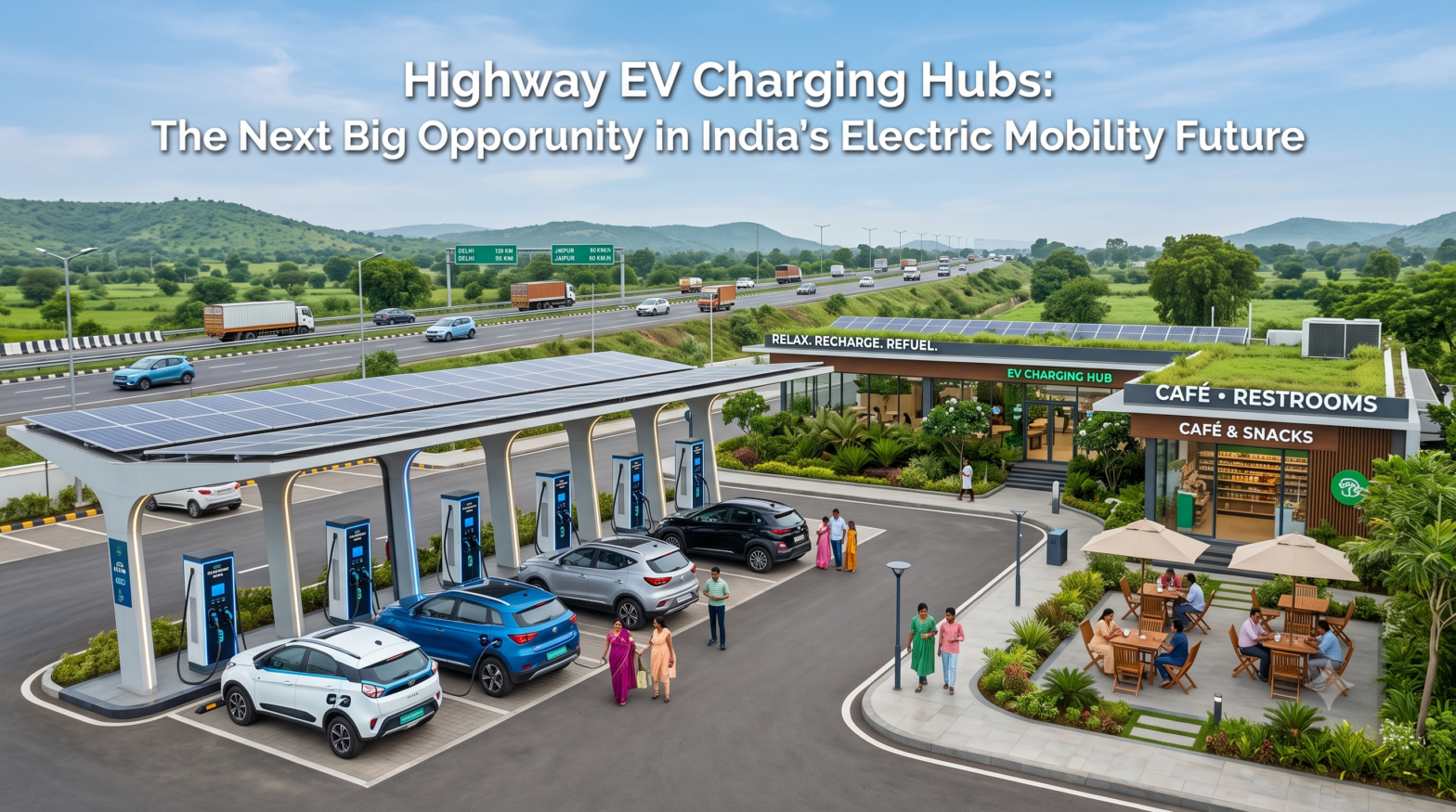
Sub-10-minute charging should initially be deployed at locations where high charging speed creates strong operational value.
Major Highway Corridors
Drivers travelling long distances benefit from shorter charging stops.
Suitable locations include:
- Expressways
- National highways
- Intercity corridors
- Toll plazas
- Premium wayside facilities
- Routes connecting major cities
High-Traffic Urban Charging Hubs
Ultra-fast chargers may work at locations serving:
- Commercial taxis
- Ride-hailing fleets
- Premium EV users
- Airport traffic
- High-mileage vehicles
Electric Fleet Depots
Commercial fleets may need vehicles to return to service quickly.
High-power charging can support:
- Delivery fleets
- Electric taxis
- Commercial vehicles
- Shared mobility
- Airport fleets
Electric Bus and Truck Corridors
High-power charging may be particularly valuable for vehicles with large batteries and strict operating schedules.
India’s Ministry of Power guidelines already recognise charging capacities from above 250 kW to 500 kW for electric buses and trucks.
Premium Commercial Destinations
Selected high-power chargers may be installed at:
- Airports
- Luxury hotels
- Business districts
- Premium malls
- Technology parks
However, the location must have enough compatible traffic to justify the investment.
When Is a 150 kW Charger More Practical Than a 500 kW Charger?
The highest available charger capacity is not always the best choice.
A 150 kW charger may be more suitable when:
- Most vehicles accept less than 150 kW
- Users remain parked for 30 minutes or longer
- Grid capacity is limited
- Charger utilisation is uncertain
- The site is a mall, hotel or workplace
- Investment must be controlled
A 350 kW or 500 kW charger may be more appropriate when:
- Compatible high-voltage vehicles are common
- Customers require short charging stops
- The station serves a major highway
- Commercial vehicles have strict schedules
- Grid and battery storage capacity are available
- High charger utilisation is expected
The charger should be selected according to actual vehicle demand rather than marketing appeal.
What Should Charging Station Operators Check?
Before investing in 800V or 1000V charging infrastructure, operators should evaluate the following factors.
Vehicle Compatibility
Identify:
- Current vehicles using the location
- Maximum charging power of those vehicles
- Battery voltage
- Connector type
- Expected future vehicle mix
Charger Voltage Range
Confirm the charger’s minimum and maximum DC output voltage.
A broad voltage range can allow the charger to serve:
- 400V vehicles
- 800V vehicles
- Future higher-voltage vehicles
Maximum Current
Voltage alone does not determine charger performance.
The operator should check:
- Maximum connector current
- Continuous current capability
- Liquid-cooling capacity
- Power available across different voltages
Power Sharing
Determine whether the advertised charger rating applies:
- Per charging gun
- Per charging cabinet
- Across two connectors
- Across the complete charging station
Charging Curve
Review real charging performance rather than only peak power.
The charging system should be evaluated using:
- Average power
- Time from 10% to 80%
- Power at different battery states
- Thermal performance
- Repeat charging sessions
Grid Connection
Evaluate:
- Existing sanctioned load
- Transformer capacity
- High-tension connection requirements
- Utility approval timeline
- Future expansion
Battery Storage
Compare the cost of:
- Increasing the grid connection
- Installing battery storage
- Using dynamic power sharing
- Combining all three solutions
Safety and Certification
Confirm compliance with:
- Applicable BIS standards
- CEA electrical-safety requirements
- Accredited equipment testing
- Earthing requirements
- Fire protection
- Emergency isolation
- Charger communication standards
Operations and Maintenance
Ultra-fast chargers require specialised maintenance.
The operator should confirm:
- Technician availability
- Spare parts
- Liquid-cooling maintenance
- Remote diagnostics
- Charger uptime commitments
- Software support
- Warranty coverage
Common Misunderstandings About High-Voltage Charging
An 800V Charger Always Charges Twice as Fast as a 400V Charger
Charging speed depends on the charger, vehicle, battery and charging curve. Doubling voltage does not automatically halve charging time.
Every 800V EV Can Accept 350 kW
Different 800V vehicles have different maximum charging limits.
A 500 kW Charger Delivers 500 kW Throughout the Session
Charging power normally changes according to battery state of charge and temperature.
A High-Power Charger Works at Maximum Power With Every EV
The vehicle determines how much power it can safely accept.
Sub-10-Minute Charging Means 0% to 100%
Most advertised charging times apply to a limited charging window such as 10% to 80%.
Solar Panels Alone Can Supply Multiple Ultra-Fast Chargers
Solar can contribute energy, but grid power and battery storage will usually be required for continuous high-power operation.
Installing the Fastest Charger Guarantees Higher Revenue
Revenue depends on:
- Charger usage
- Compatible vehicles
- Electricity costs
- Station pricing
- Location
- Reliability
- Customer demand
How India Can Prepare for 800V and 1000V Charging
India can prepare through a phased approach.
Deploy Future-Ready Chargers
New highway stations can use chargers that support a wide voltage range even when current vehicles do not require the maximum output.
Build Modular Charging Stations
Modular power cabinets allow charger capacity to be expanded as demand grows.
Strengthen Highway Electrical Infrastructure
High-capacity charging hubs should be planned alongside:
- Utility substations
- Highway upgrades
- Renewable energy
- Battery storage
- Commercial facilities
Encourage Open Standards
Charging stations should support interoperable communication and payment systems.
Use Battery Storage Selectively
Battery storage should be deployed where:
- Grid upgrades are delayed
- Charging peaks are short
- High charging speed is essential
- Solar generation is available
Collect Charging Data
Operators should monitor:
- Vehicle voltage
- Requested power
- Actual charging power
- Session duration
- Charger utilisation
- Peak site demand
- Customer waiting time
This data can determine when an upgrade to higher-power charging is financially justified.
Focus on Reliability
A dependable 150 kW charger may provide more customer value than an unreliable 500 kW charger.
Station operators should prioritise:
- High uptime
- Remote monitoring
- Preventive maintenance
- Clear pricing
- Easy payment
- Safe facilities
Is India Ready for Sub-10-Minute EV Charging?
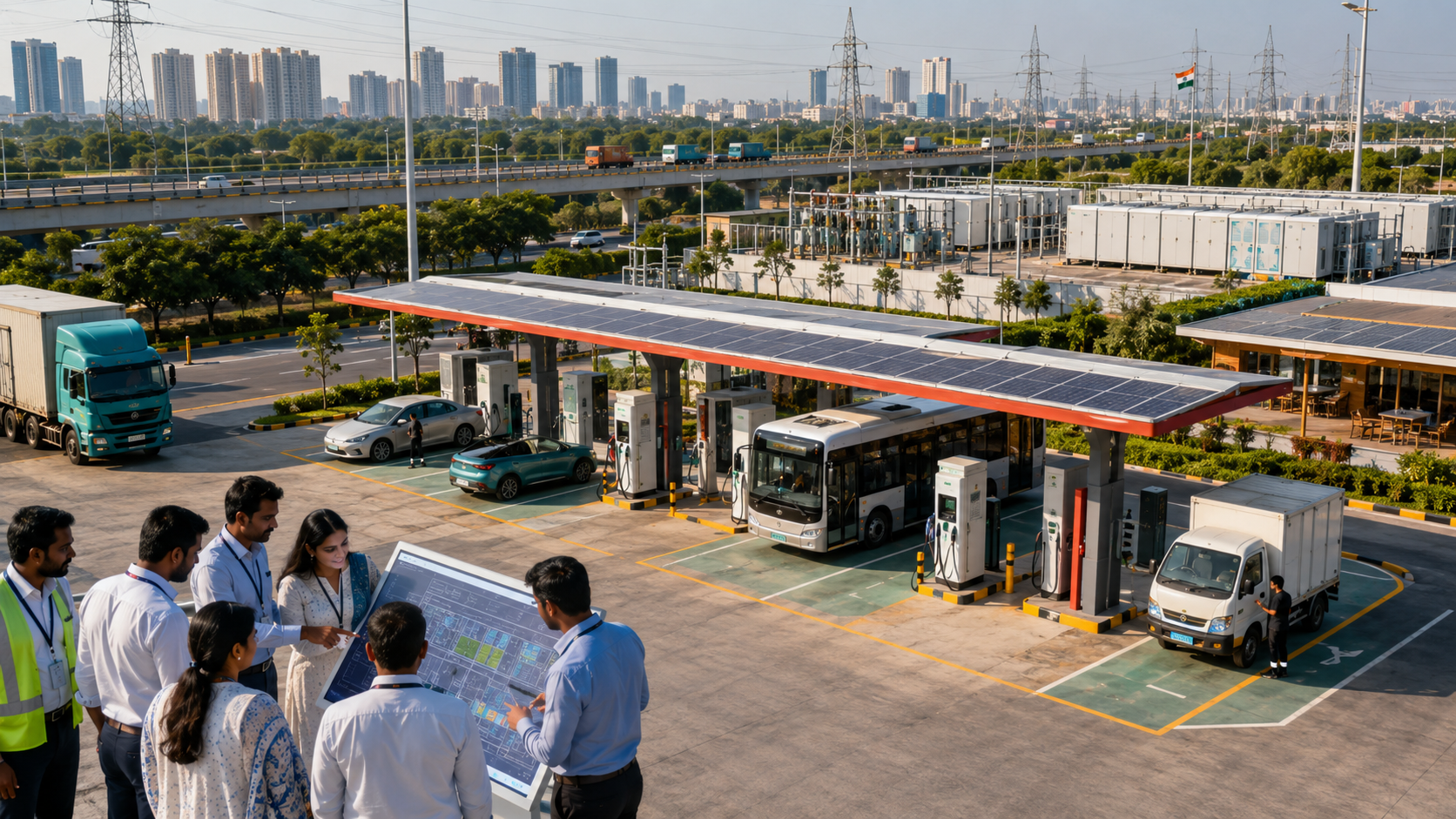
India is partially ready, but not yet ready for widespread sub-10-minute charging across every city and highway.
The country already has:
- A growing public charging network
- Government support for fast-charging infrastructure
- Standards recognising high-power DC charging
- Increasing adoption of modern electric vehicles
- Expanding highway-charging opportunities
However, broader deployment still requires:
- More 800V and 1000V vehicles
- More chargers above 250 kW
- Stronger electricity connections
- Battery-buffered charging hubs
- High charger utilisation
- Greater technical expertise
- Affordable high-power equipment
- Reliable maintenance networks
The most practical approach is to deploy ultra-fast charging first at selected highways, transport hubs and fleet locations where compatible vehicles and strong demand already exist.
For many offices, malls, hotels and residential locations, lower-power chargers combined with smart load management will continue to be more economical.
Conclusion
800V and 1000V electric vehicle architectures represent the next stage of ultra-fast EV charging.
By increasing voltage, EV manufacturers can deliver higher power with lower current, reducing electrical losses and supporting shorter charging times.
However, achieving sub-10-minute charging requires more than a high-voltage vehicle.
The complete charging ecosystem must include:
- Ultra-fast-charging battery cells
- Advanced Battery Management Systems
- High-power DC chargers
- Liquid-cooled connectors
- Strong grid connections
- Dynamic load management
- Battery energy storage
- Effective thermal management
- Reliable charging software
India is moving towards this future, but ultra-fast charging should be deployed according to real vehicle demand and commercial feasibility.
Planning a future-ready high-power EV charging station? Contact Earthtron EV to evaluate charger capacity, vehicle compatibility, electrical infrastructure and expansion requirements for your location.