India’s electric vehicle market is growing fast, but one challenge still controls the confidence of EV owners: long-distance charging. City charging is improving, but highway charging is where the real future of EV travel will be built. For electric mobility to become truly practical, drivers must feel confident that they can travel from one city to another without worrying about battery range, waiting time, or charger availability.
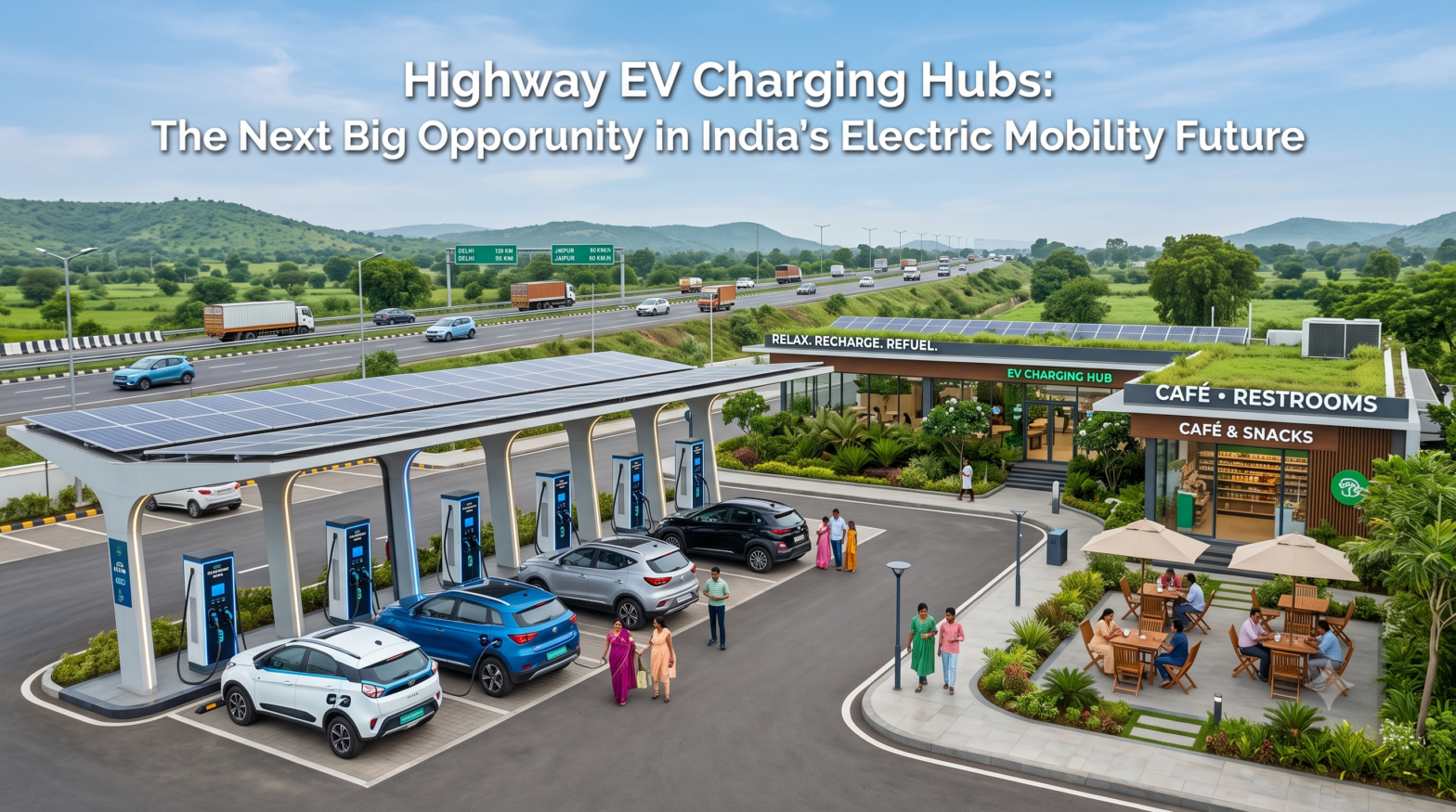
This is why highway EV charging hubs are becoming one of the most important trends in India’s clean mobility ecosystem. These hubs are not just charging points. They are future-ready travel stops where EV users can recharge their vehicles, take a break, access basic amenities, and continue their journey with confidence.
Earthtron EV’s vision already aligns with this shift by focusing on connecting India’s cities and supporting range-anxiety-free intercity travel through EV charging infrastructure on highways.
Why Highway Charging Is Becoming More Important
Most EV users are comfortable charging at home, offices, malls, and city charging stations. But when it comes to long-distance travel, the biggest question is still: “Will I find a reliable charger on the way?”
This question matters because intercity routes require a different type of charging infrastructure. Drivers need faster charging, safe locations, easy access, clear visibility, and reliable uptime. A charging station on a highway must work like a complete travel support point, not just a plug-in facility.
The Government of India has also placed strong focus on public EV charging infrastructure. Under the PM E-DRIVE scheme, ₹2,000 crore has been allocated for deployment of EV public charging stations across India, showing how important charging infrastructure has become for the country’s EV growth.
From Charging Stations to Charging Hubs
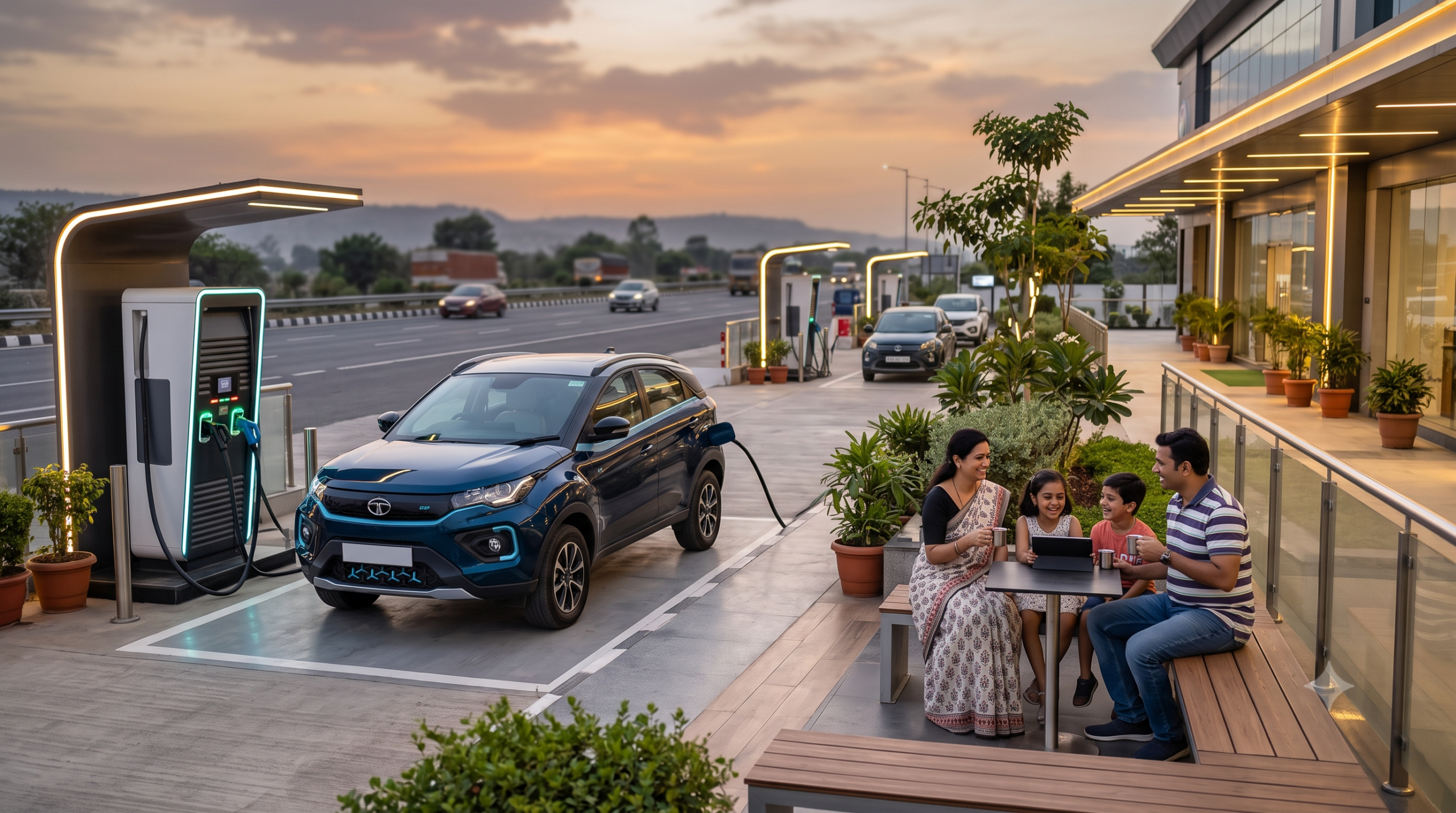
The next phase of EV infrastructure will not be limited to simple charging points. The future belongs to charging hubs.
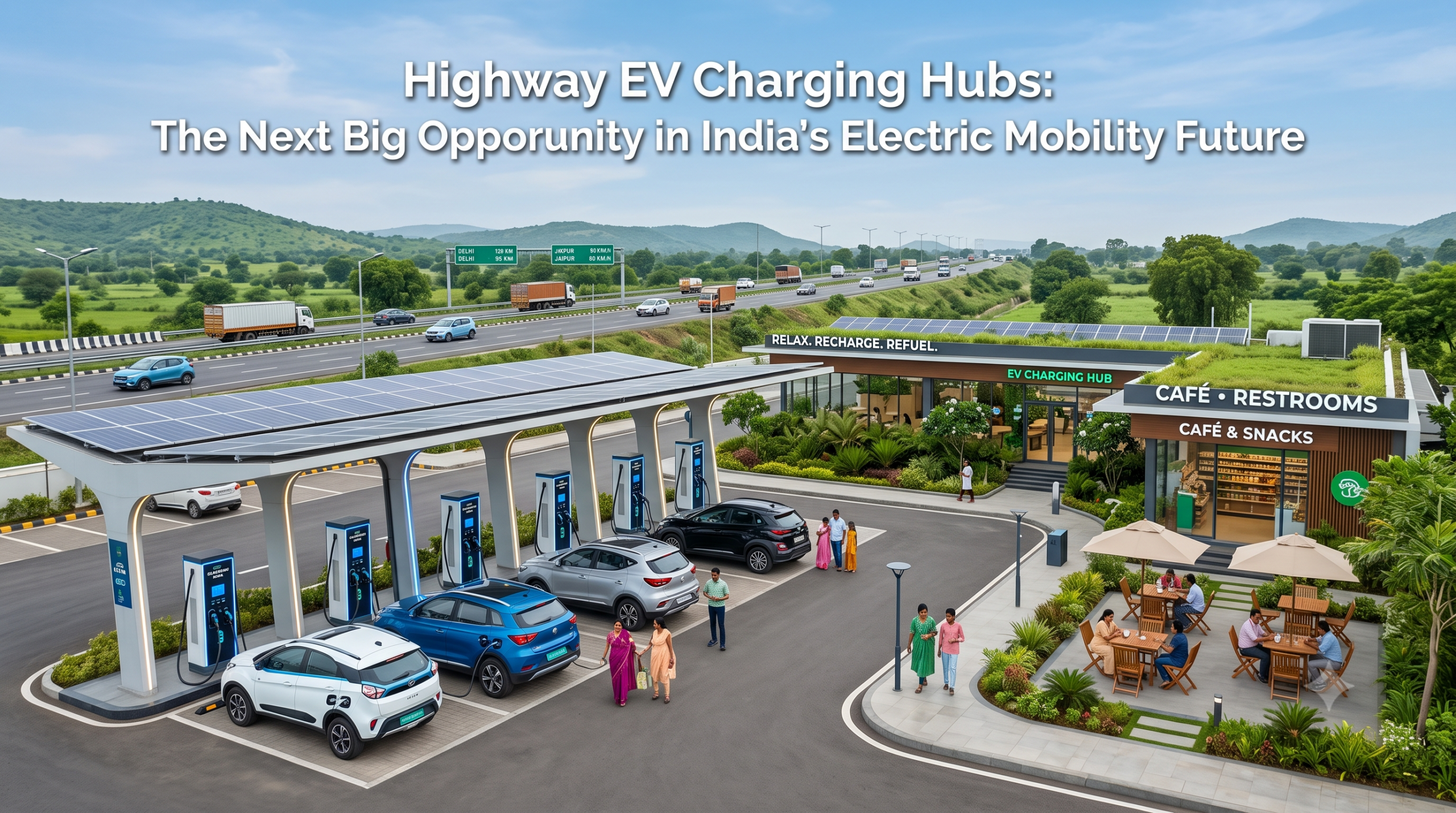
A charging hub can include fast chargers, waiting areas, washrooms, food and beverage options, security, lighting, digital payment support, and parking convenience. This makes the charging experience smoother for EV owners and more attractive for businesses, landowners, highway operators, and franchise investors.
For EV users, a charging hub saves time and reduces stress. For investors, it creates a business model connected to a growing mobility trend. For India, it supports cleaner transportation and reduces dependence on traditional fuel-based travel.
Earthtron EV already highlights the idea of installing charging stations on major highways with convenience amenities, high-grade hardware, services, and customer-friendly support.
Why Fast Charging Will Drive Highway EV Adoption
Highway users do not want to wait for hours. They want charging that fits naturally into their travel break. A short stop for tea, snacks, washroom, or rest should be enough to add useful driving range.
That is why fast charging is becoming essential on intercity routes. Earthtron EV mentions charging options such as 60 KW, 120 KW, and 350 KW units for different vehicle needs, including small vehicles, heavy fleets, and high-speed charging requirements.
Fast charging can help make EV travel more practical for private car owners, taxi operators, logistics companies, and commercial fleets. As more electric cars, buses, and fleet vehicles enter the market, highway charging demand will keep growing.
Best Locations for Highway EV Charging Hubs
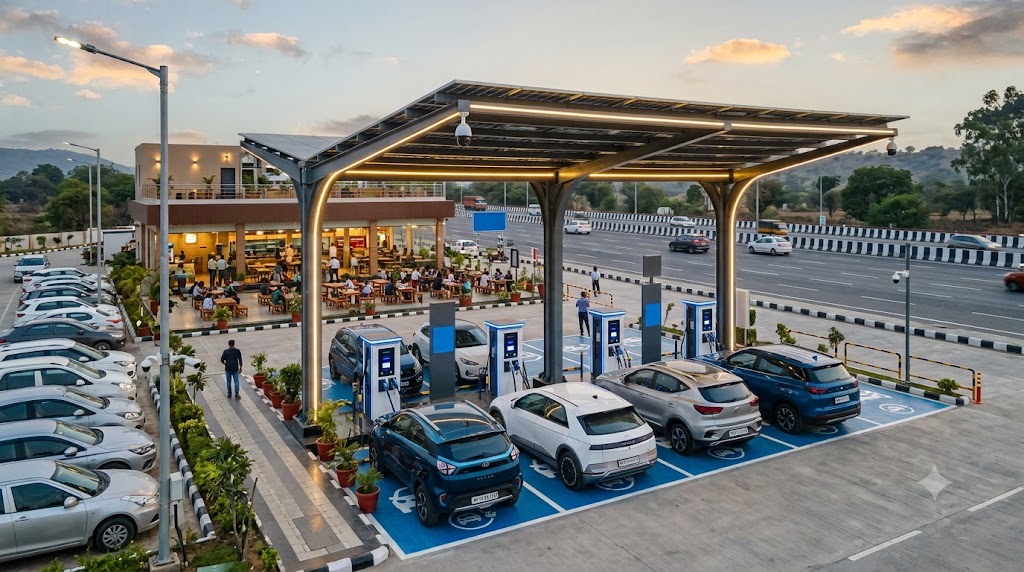
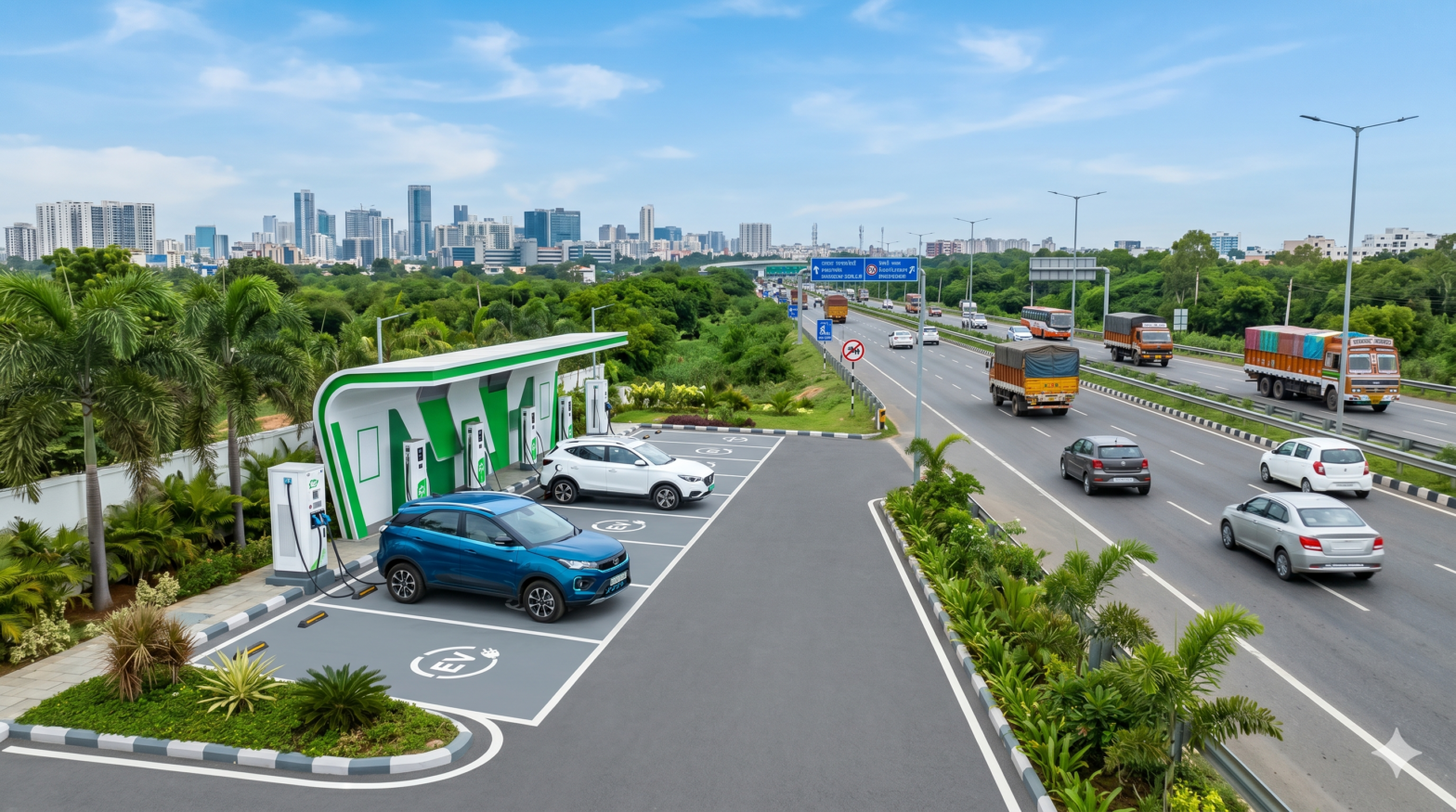
The success of a highway EV charging hub depends heavily on location. A good location should have strong road visibility, easy entry and exit, enough parking space, electricity load availability, security, and nearby customer movement.
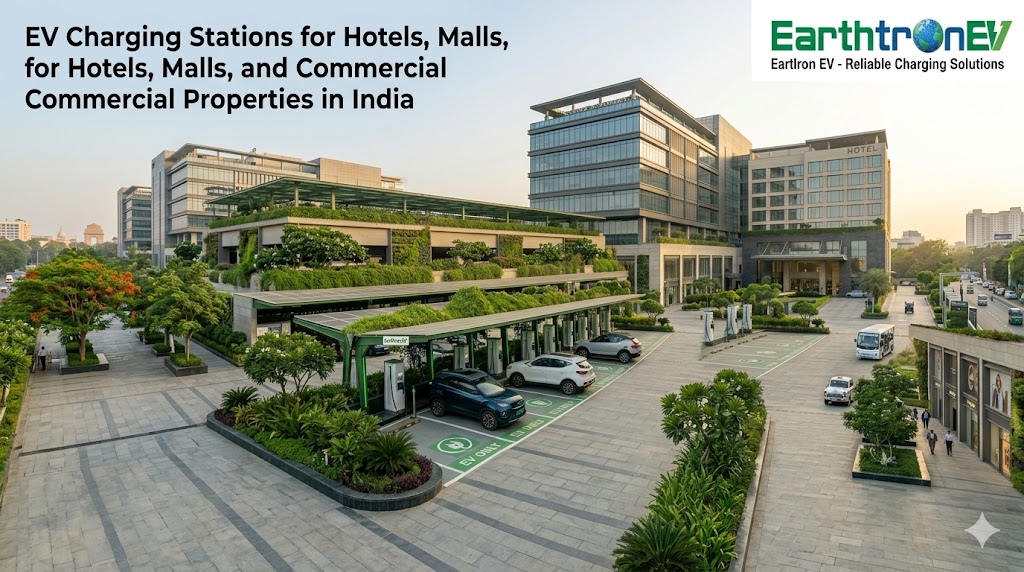
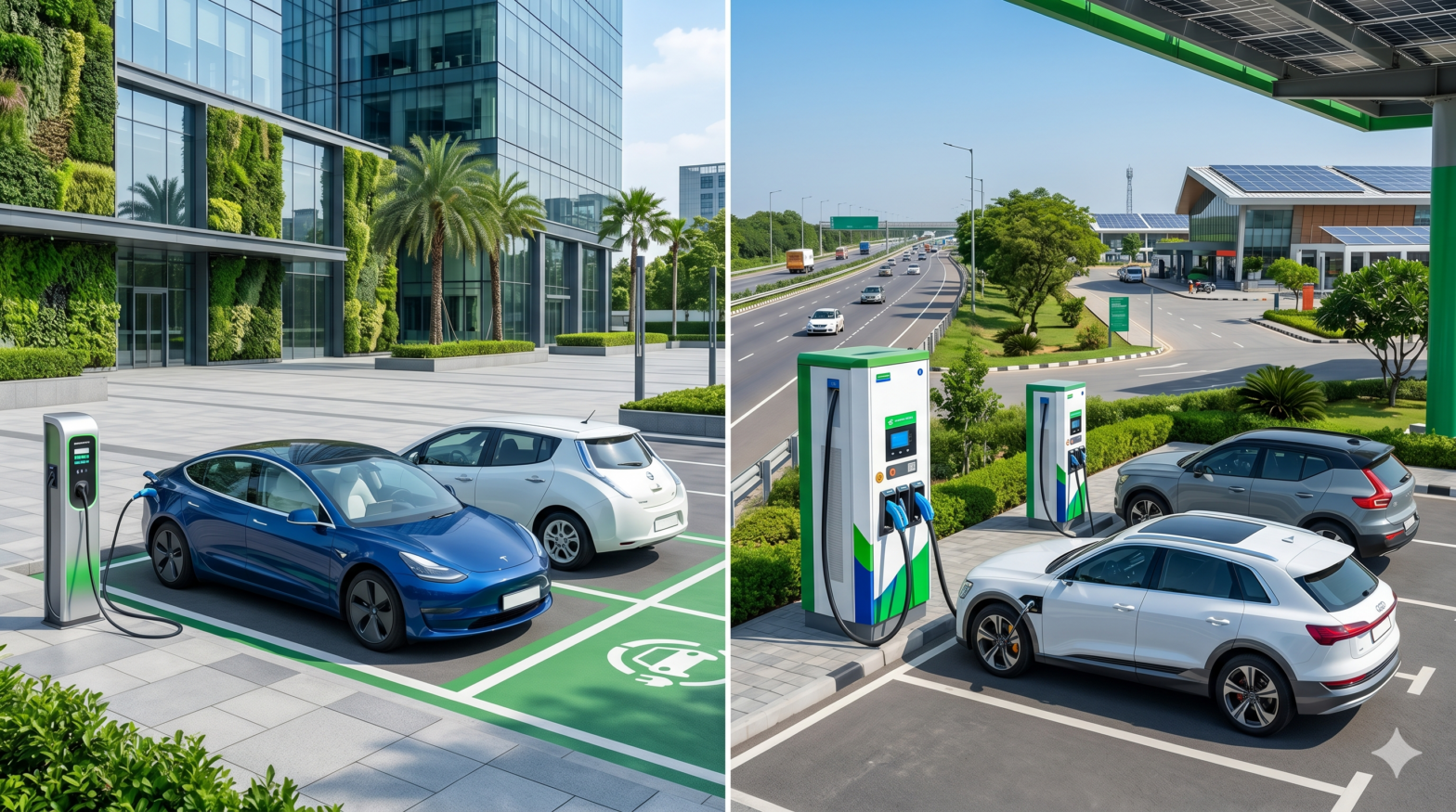
Ideal locations can include national highways, toll plazas, food courts, hotels, petrol pump areas, commercial parking spaces, logistics routes, tourist corridors, and city-to-city travel points.
Earthtron EV’s franchise model also focuses on strategic locations, detailed analysis, streamlined installation, and hassle-free operation, which are important factors for building a reliable EV charging network.
Why This Is a Business Opportunity
EV charging is not only an infrastructure need; it is also a long-term business opportunity. As EV adoption increases, charging stations can become important revenue-generating assets in high-traffic locations.
A well-planned highway charging hub can attract EV car owners, commercial fleets, taxis, and logistics vehicles. It can also increase footfall for nearby businesses like restaurants, cafés, retail shops, hotels, and service centres.
For investors, this creates an opportunity to participate in India’s green mobility growth without directly manufacturing vehicles. The focus shifts to infrastructure, accessibility, service quality, and reliable operations.
Earthtron EV’s franchise approach includes charging management, monthly returns settlement, strategic location planning, transparency, and operational support for franchise partners.
The Role of Technology in EV Charging Hubs

Technology will decide which EV charging networks become trusted by users. A modern charging hub needs more than hardware. It needs digital payments, charger availability updates, automated billing, usage tracking, maintenance monitoring, and customer support.
EV users prefer stations where charging is simple, transparent, and dependable. If a driver reaches a charging point and finds it unavailable, slow, or poorly maintained, trust is affected. This is why technology-driven operations are critical for building a strong EV charging ecosystem.
Earthtron EV’s website highlights a technology-driven approach with charging units designed for convenience and compatibility with major EV cars in India.
How Highway Charging Can Reduce Range Anxiety
Range anxiety is one of the biggest barriers to EV adoption. Many people like the idea of electric vehicles but hesitate because they are unsure about charging availability during long trips.
A strong highway charging network can solve this problem. When EV drivers know that charging hubs are available on important routes, they become more confident about using EVs for intercity travel.
This confidence can encourage more people to shift from petrol and diesel vehicles to electric vehicles. It can also support India’s larger goal of clean and sustainable transportation.
Future of EV Highway Travel in India
The future of highway travel in India will be cleaner, smarter, and more connected. EV charging hubs will play a major role in this transformation.
In the coming years, highways may have charging hubs combined with solar energy, battery storage, digital payments, food courts, fleet charging zones, and rest areas. These hubs can become modern mobility destinations where people recharge both their vehicles and themselves.
For companies, investors, and landowners, this is the right time to understand the potential of EV charging infrastructure. The demand is growing, government support is increasing, and customer behaviour is slowly shifting toward electric mobility.
Earthtron EV is positioned around this future by focusing on highway charging, intercity connectivity, and range-anxiety-free EV travel across India.
Conclusion
Highway EV charging hubs are not just a trend; they are a necessary part of India’s electric mobility future. As more people choose electric vehicles, the demand for reliable, fast, and convenient charging on intercity routes will continue to grow.
For EV owners, these hubs will make long-distance travel easier. For investors and businesses, they offer a chance to be part of a future-ready green infrastructure opportunity. For India, they support cleaner highways, smarter mobility, and a more sustainable transport ecosystem.
The next big step in EV adoption will not only happen inside cities. It will happen on highways, where reliable charging hubs can turn electric travel into a practical everyday reality.