EV charging stations are becoming an important part of India’s growing electric vehicle ecosystem. As more EV owners depend on public and private charging points, the reliability of charging stations becomes very important.
Setting up an EV charging station is only the first step. To make it successful in the long run, regular maintenance is equally important. A well-maintained charging station gives users a smooth charging experience, reduces downtime, improves safety, and builds trust among EV owners.
For investors, operators, and franchise partners, proper maintenance can directly affect business performance. If chargers are frequently out of service, users may stop visiting that station and choose another option.
Why EV Charging Station Maintenance Is Important
EV users expect charging stations to work whenever they need them. If a user reaches a charging station and finds that the charger is not working, payment is failing, or the cable is damaged, it creates a poor experience.
Regular maintenance helps avoid these problems. It keeps chargers in good condition, ensures safe power delivery, and reduces sudden breakdowns.
A reliable charging station also encourages repeat users. When EV owners know that a station is clean, safe, and functional, they are more likely to use it again.
Charger Inspection
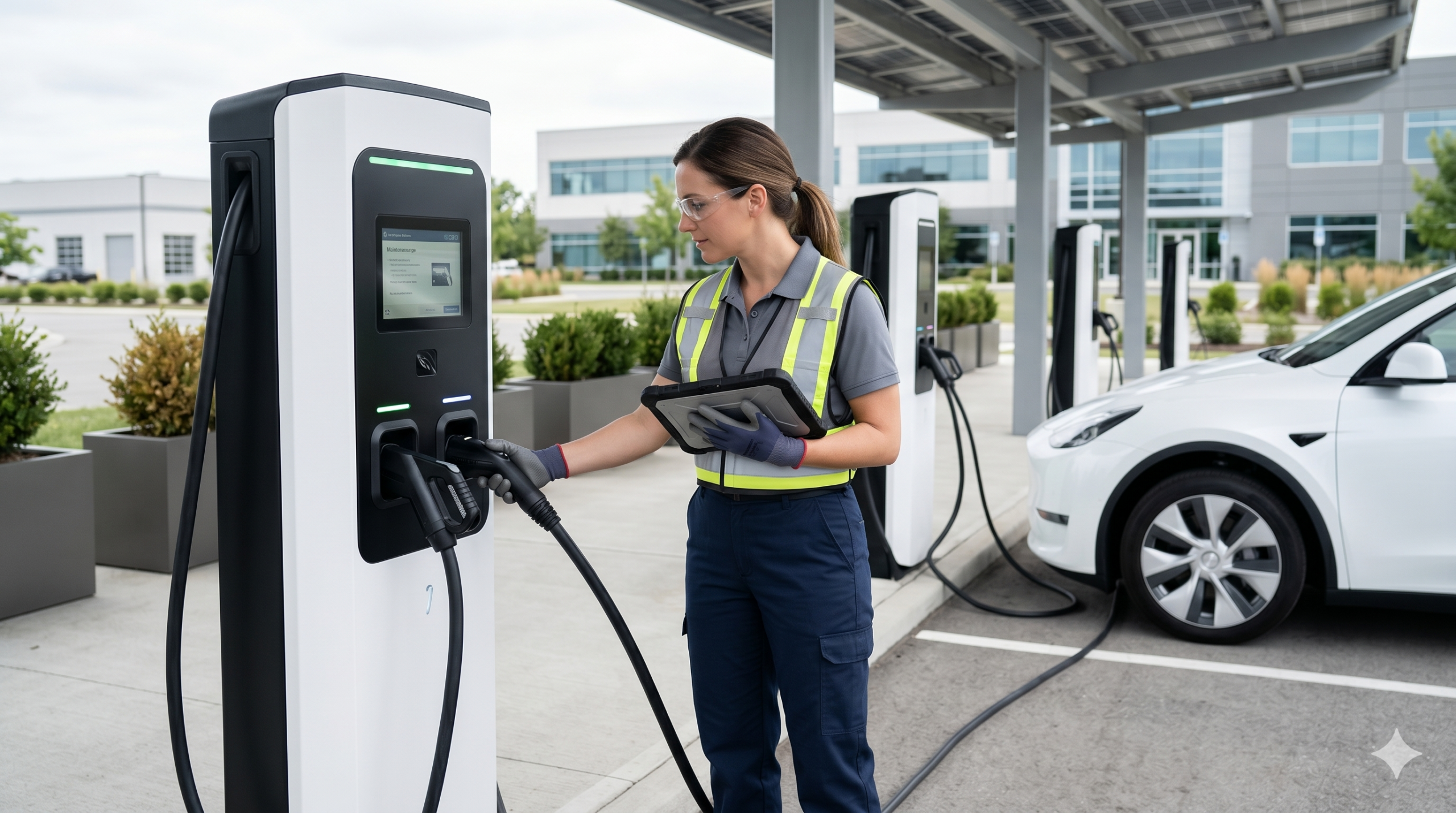
The charger is the main part of any EV charging station. It should be inspected regularly to make sure it is working properly.
Operators should check whether the charger display is working, buttons are responding, charging sessions are starting correctly, and there are no physical damages on the unit.
Any error message, unusual sound, overheating, or charging interruption should be checked immediately. Small issues should not be ignored because they can turn into bigger problems later.
Charging Cable and Connector Check
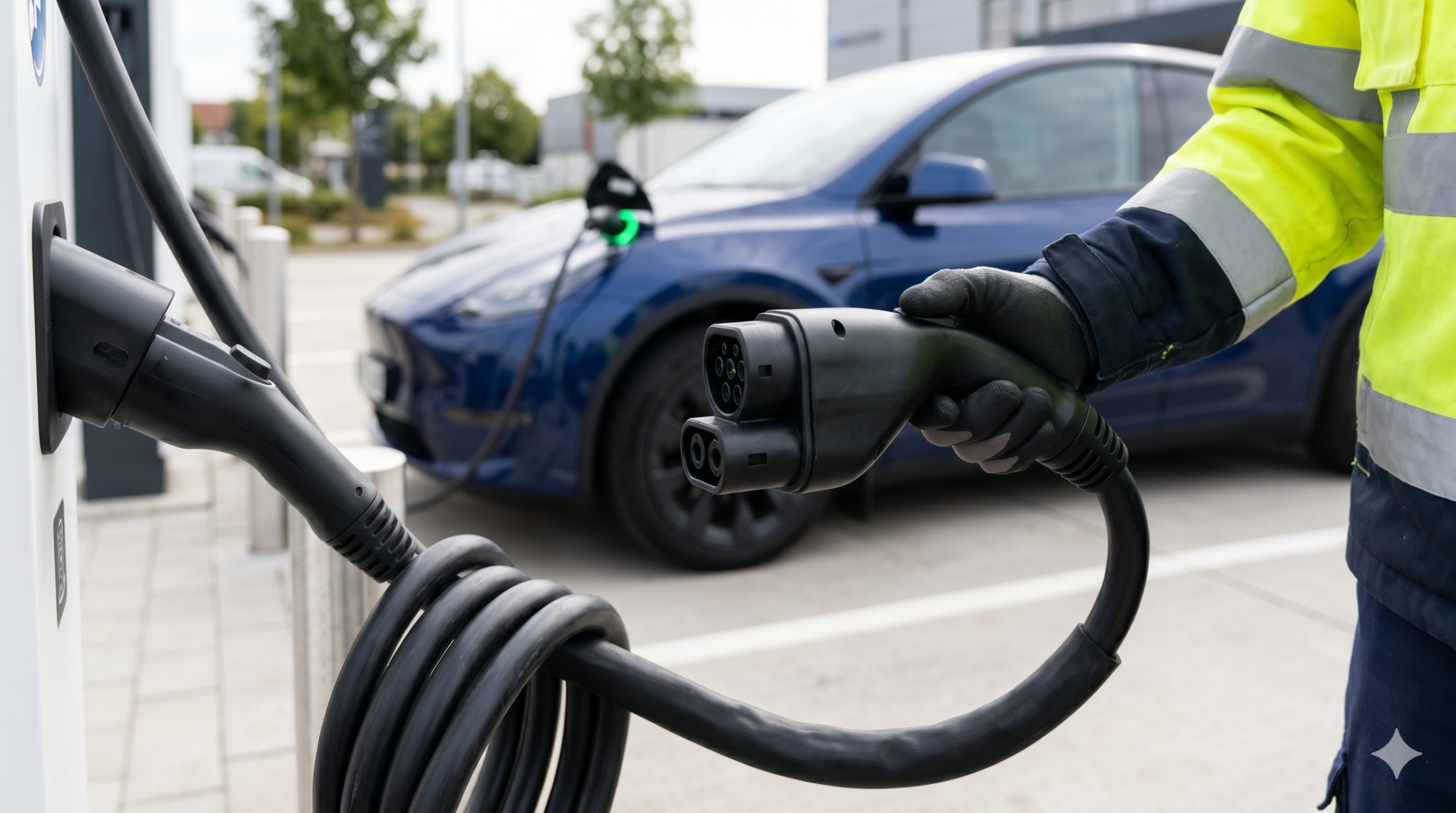
Charging cables and connectors are used by customers every day, so they can get damaged over time. A damaged cable or loose connector can create charging problems and safety risks.
The cable should be checked for cuts, cracks, bending damage, loose parts, or exposed wiring. The connector should fit properly into the vehicle charging port and should not feel loose or broken.
Clean and properly working connectors improve the user experience and help avoid failed charging sessions.
Electrical Safety Check
Electrical safety is one of the most important parts of EV charging station maintenance. EV chargers work with high electrical power, so proper safety checks are necessary.
The station should have proper earthing, safe wiring, overload protection, and good-quality electrical panels. Loose connections, damaged wires, overheating, or burning smell should be checked immediately.
Regular electrical inspection helps prevent safety issues and keeps the charging station reliable for users.
Software and System Monitoring
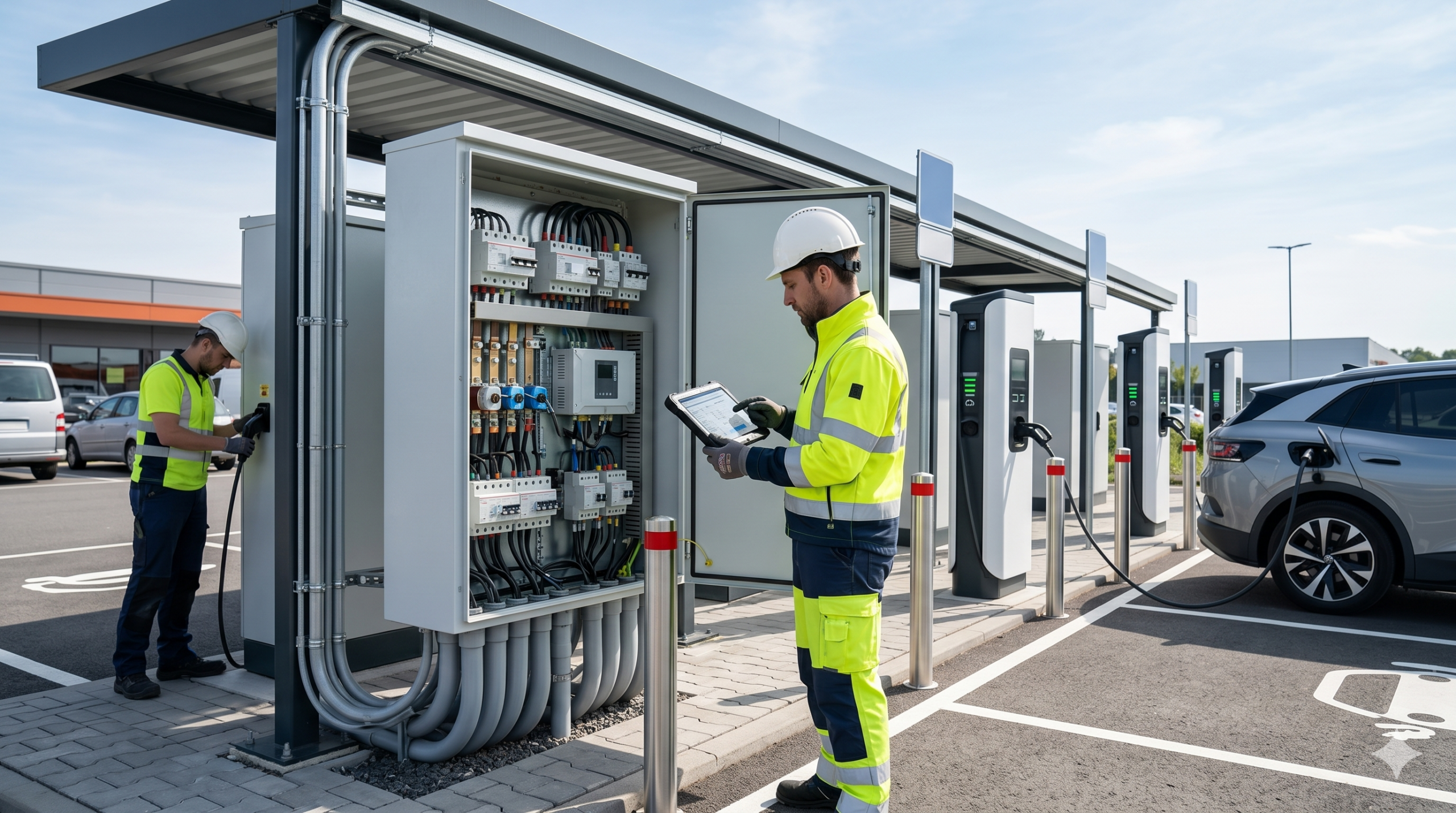
Modern EV charging stations depend on software for charger monitoring, payments, user access, charging session tracking, and remote support.
If the software does not work properly, users may face problems while starting or stopping a charging session. Payment failures, app errors, network issues, or incorrect charger status can affect customer experience.
Operators should regularly check software updates, charger connectivity, payment system performance, and remote monitoring dashboards. This helps identify problems before they affect users.
Internet Connectivity
Internet connectivity is important for many EV charging stations. Chargers often need internet access for live status updates, app-based access, digital payments, and backend monitoring.
Poor internet connectivity can cause failed payments, delayed session updates, and charger communication issues.
The station should have a stable internet connection. Backup internet options can also be useful for busy public charging stations.
Payment System Check
Digital payment is an important part of the EV charging experience. Users expect quick and smooth payment options.
If the payment system fails, users may not be able to start charging even if the charger is working. This can lead to frustration and loss of business.
Operators should check QR codes, payment gateway performance, app payment flow, invoice generation, and transaction confirmation regularly.
Cleaning and Station Appearance
A clean EV charging station creates a good first impression. Users are more likely to trust a station that looks professional, clean, and well-maintained.
The charging area should be cleaned regularly. Dust, garbage, waterlogging, broken signage, and damaged parking markings should be avoided.
Clean surroundings also make the station safer and more comfortable for users, especially at public locations, malls, offices, hotels, and highway rest stops.
Parking Area Maintenance
The parking area should be planned and maintained properly. EV users should be able to park easily and connect the charging cable without difficulty.
Charging bays should not be blocked by non-EV vehicles. Parking lines should be visible, and there should be enough space for vehicle movement.
If the station has multiple chargers, proper parking flow becomes even more important. Confusing parking layouts can create inconvenience for users.
Lighting and Safety at Night
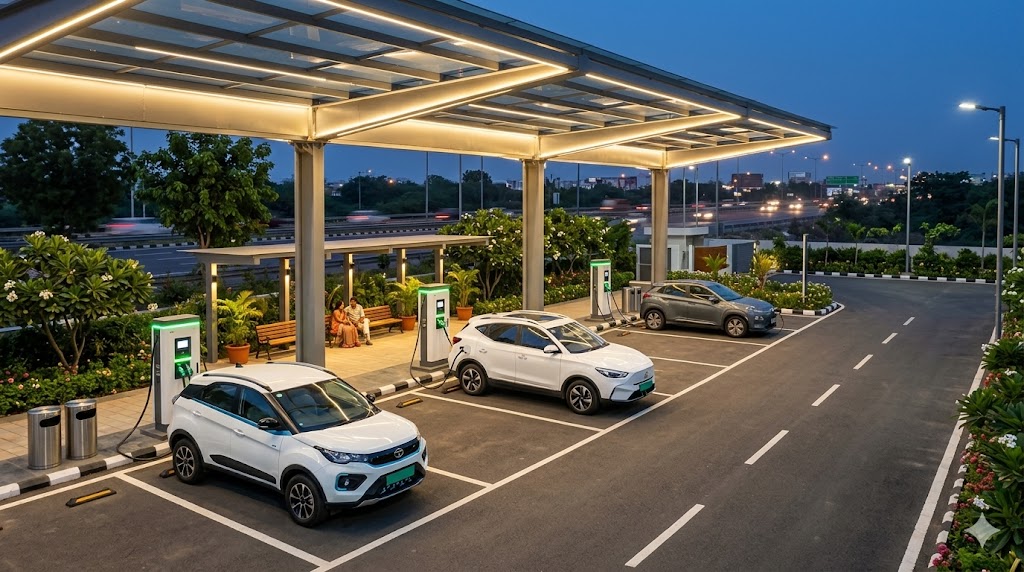
Many EV users may need charging during evening or night hours, especially on highways or public charging routes. A charging station should be well-lit and safe.
Proper lighting helps users connect the charger, complete payment, and wait comfortably. It also improves security and reduces the risk of accidents.
Stations with poor lighting may not feel safe, even if the chargers are working properly.
Weather Protection
EV charging equipment should be protected from harsh weather conditions such as heavy rain, dust, heat, and direct sunlight.
Outdoor charging stations should have weather-resistant equipment and proper installation planning. Waterlogging near charging points should be avoided.
Weather protection helps increase charger life and reduces maintenance problems.
Customer Support and Issue Reporting
A good EV charging station should have a simple way for users to report issues. If a customer faces a problem, they should know whom to contact.
Support details, helpline numbers, app support, or QR-based issue reporting can help users get assistance quickly.
Fast issue resolution improves customer trust and reduces negative experiences.
Maintenance Schedule
EV charging station maintenance should not happen only when something breaks. It should follow a regular schedule.
Daily checks can include charger status, cleanliness, cable condition, and parking availability. Weekly checks can include payment system, internet connectivity, software status, and basic electrical inspection.
Monthly checks can include deeper electrical inspection, safety checks, charger performance review, and maintenance reporting.
A planned maintenance schedule helps reduce unexpected downtime.
Common Maintenance Mistakes to Avoid
One common mistake is ignoring small issues. A loose connector, slow payment response, or minor software error may seem small, but it can affect many users over time.
Another mistake is not checking the station physically. Remote monitoring is useful, but physical inspection is also important.
Poor cleaning, blocked parking bays, weak lighting, and delayed repair work can also reduce the quality of the charging station.
How Long Does an EV Charging Station Last?
With good maintenance, commercial EV chargers are commonly expected to last around 8–10 years or more. Different parts wear at different rates:
- Cables and connectors wear fastest because they are handled every session — inspect them often and replace damaged ones immediately.
- Cooling fans, filters and contactors in DC chargers are routine replacement items.
- Power modules and electronics can last many years, especially with good ventilation and protection from heat, dust and water.
- Software and firmware need regular updates to stay secure and compatible with new vehicles and protocols.
Regular preventive maintenance, a covered and ventilated installation, stable power supply and remote monitoring are what extend a charger’s useful life — and keep uptime and earnings high over that life.
How Maintenance Improves Business Performance
A well-maintained charging station can attract more users because people prefer reliable charging points. Good maintenance improves uptime, user satisfaction, station reputation, and repeat visits.
For EV charging station investors, reliability is directly connected to business growth. If users trust the station, they are more likely to return and recommend it to others.
Maintenance also protects the investment by increasing charger life and reducing major repair costs.
Conclusion
EV charging station maintenance is essential for long-term success. A charging station should not only be installed properly but also checked, cleaned, monitored, and repaired regularly.
Charger performance, cable condition, electrical safety, software monitoring, internet connectivity, payment system, parking area, lighting, and customer support all play an important role in creating a reliable charging experience.
With proper maintenance, an EV charging station can deliver better service to EV users and become a stronger business asset in India’s growing electric mobility market.
Related Reading
- EV Charging Station Safety Checklist in India
- EV Charging Station Analytics: 10 KPIs Every Operator and Franchisee Should Track
- Cybersecurity for EV Charging Stations: Protecting Chargers, Payments and Customer Data
- EV Charging Station Installation in India: Complete Site-to-Commissioning Guide
Learn more about charging station management system (CSMS).