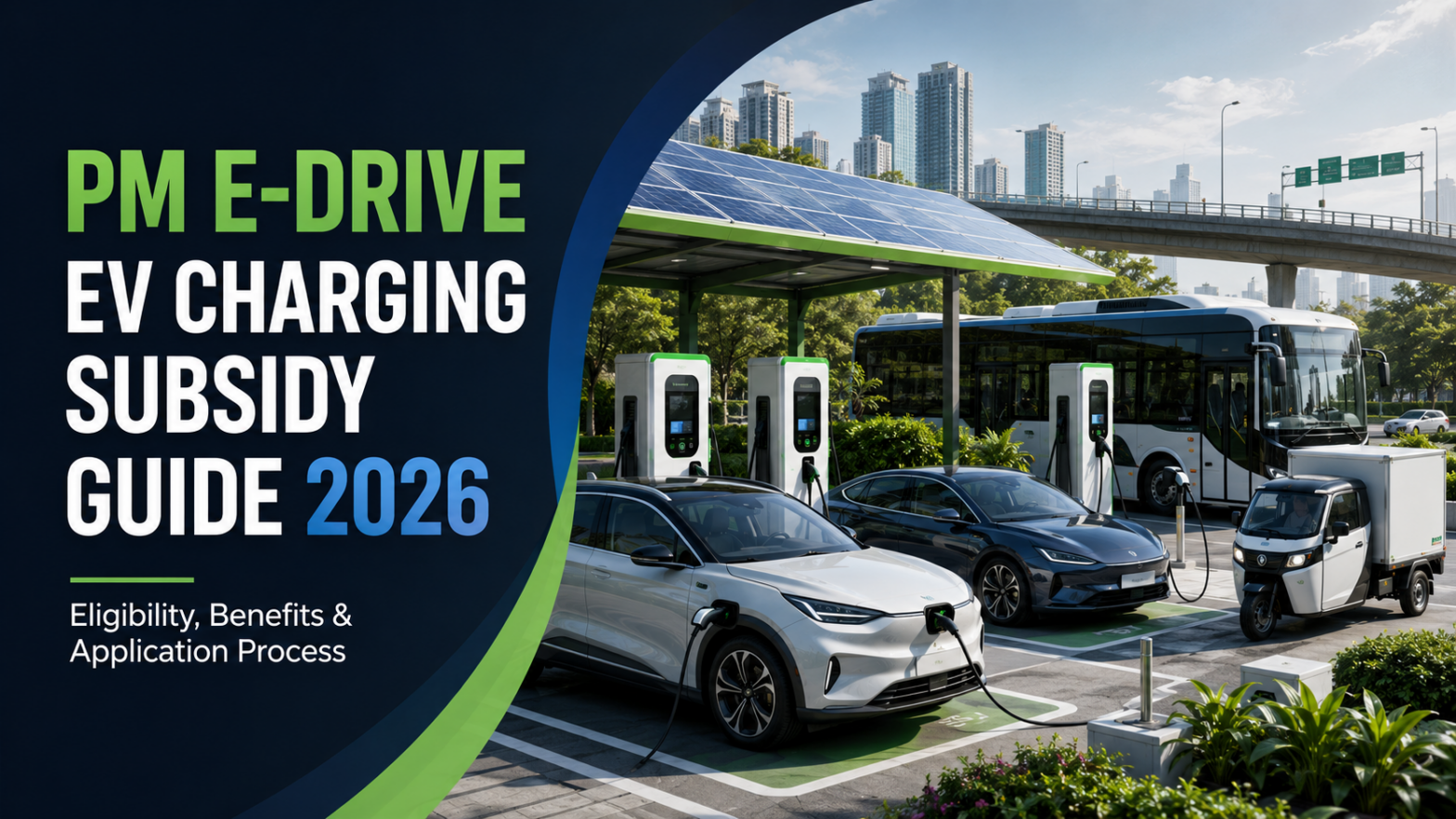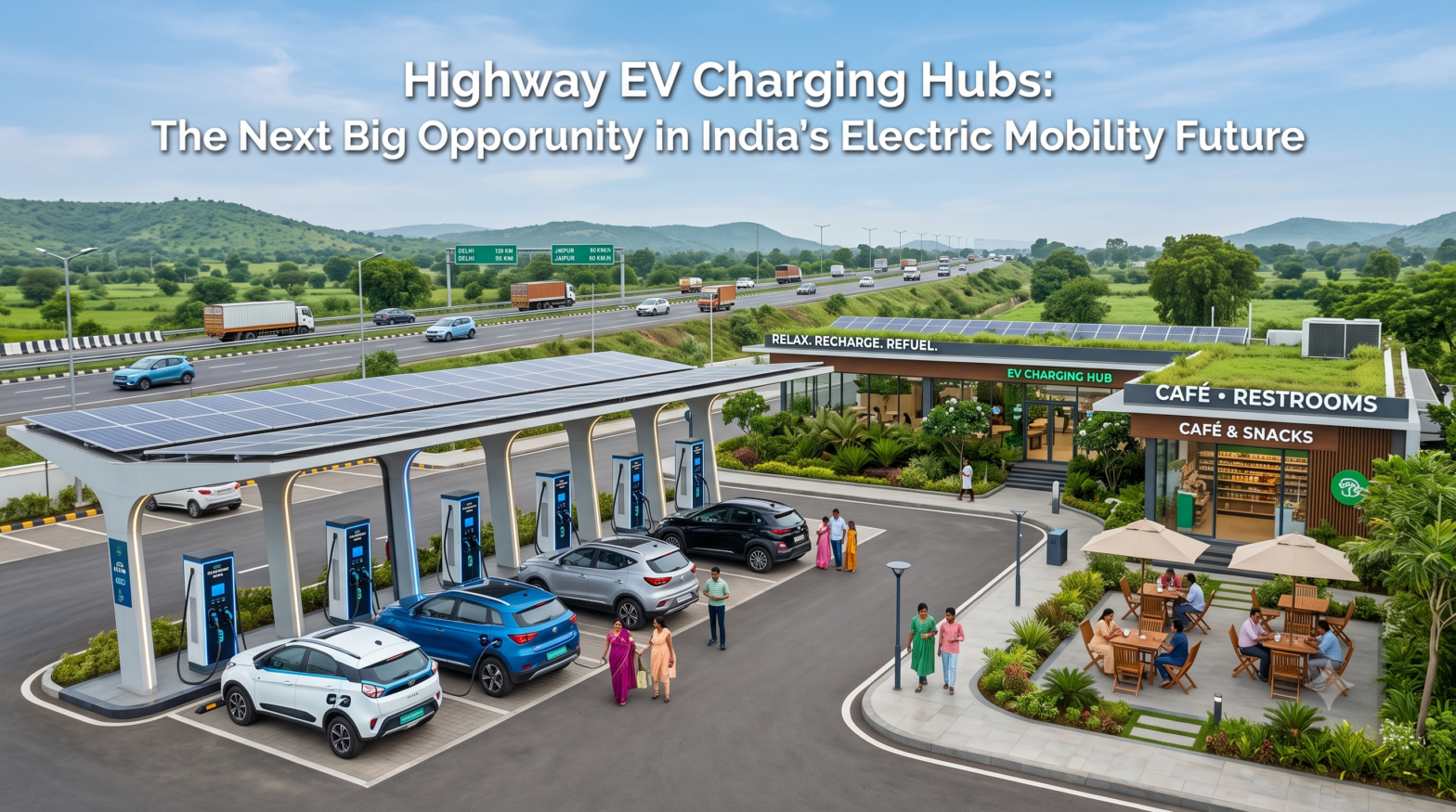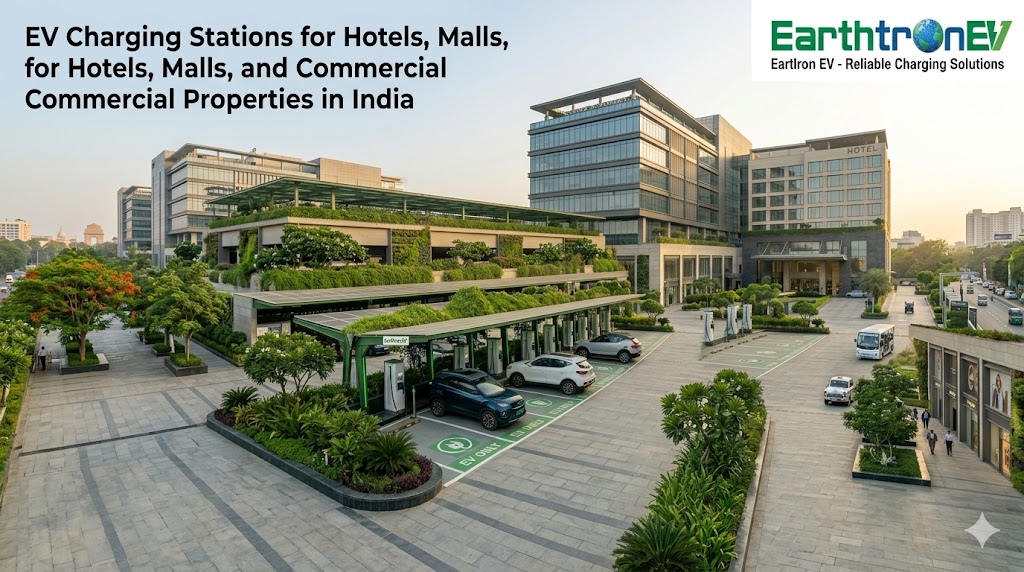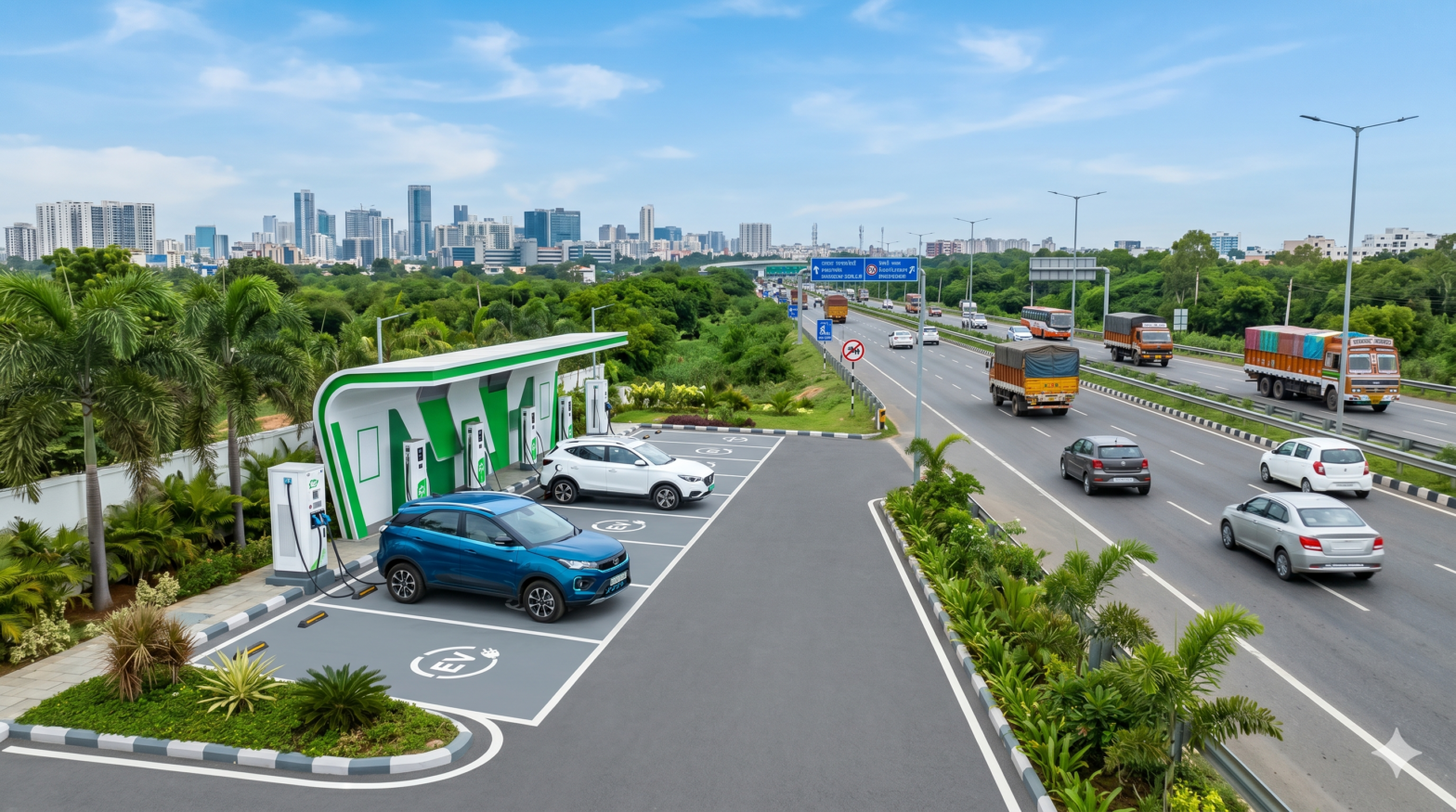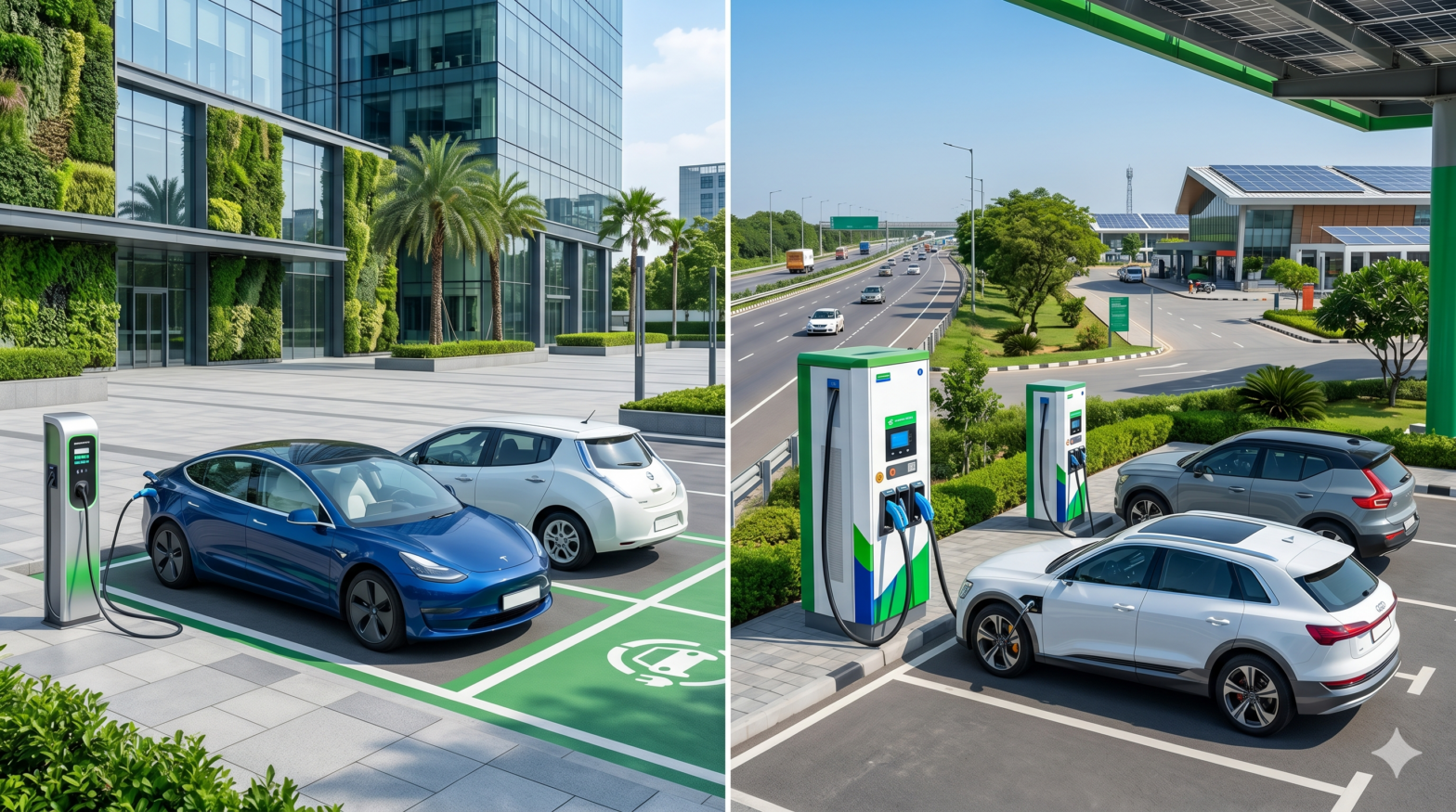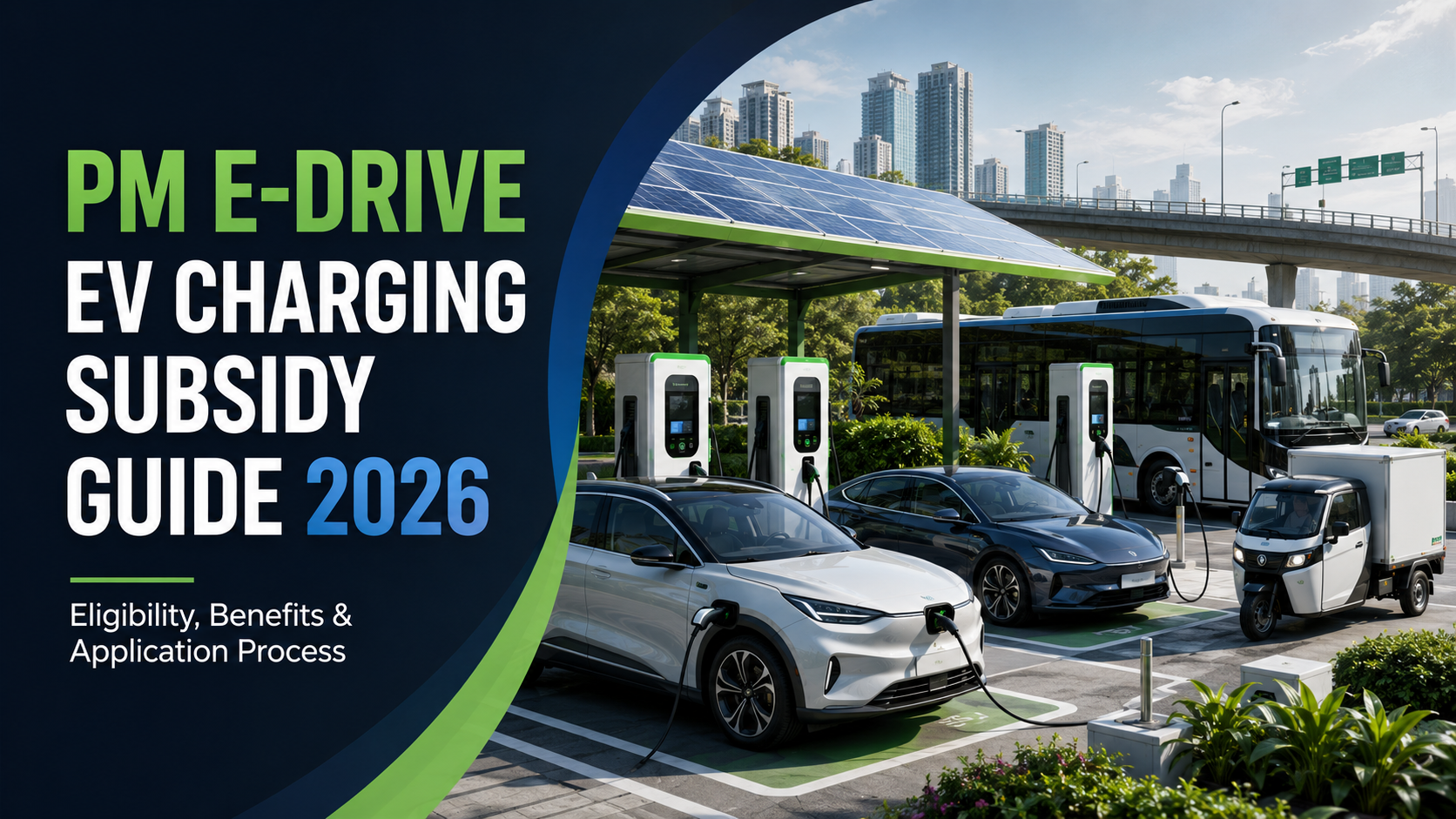
India’s transition towards electric mobility depends not only on the availability of electric vehicles but also on a reliable network of public charging stations. Without convenient charging facilities in cities, commercial areas and along highways, many vehicle owners may hesitate to switch to electric mobility.
To support the development of this infrastructure, the Government of India introduced the PM Electric Drive Revolution in Innovative Vehicle Enhancement, or PM E-DRIVE Scheme.
The scheme has a total approved outlay of ₹10,900 crore, including ₹2,000 crore allocated specifically for public EV charging infrastructure. The charging-infrastructure component covers EV public charging stations, battery-swapping stations and battery-charging stations.
However, the subsidy structure is often misunderstood. A private individual or charging-station owner cannot necessarily submit a direct subsidy application. The official process is led primarily by eligible government bodies and their appointed nodal agencies.
This guide explains who is eligible, which locations qualify, what costs may be covered and how private EV-charging businesses can participate.
What Is the PM E-DRIVE Scheme?
The PM E-DRIVE Scheme was introduced to accelerate electric-vehicle adoption, expand charging infrastructure and support India’s domestic electric-mobility ecosystem.
The scheme commenced on 1 October 2024. Its various components support electric vehicles, public charging infrastructure and the broader EV manufacturing ecosystem.
The public-charging component is intended to support infrastructure for:
- Electric two-wheelers
- Electric three-wheelers
- Electric passenger cars
- Electric light commercial vehicles
- Electric buses
- Electric trucks
- Battery-swapping stations
- Battery-charging stations
The scheme aims to strengthen India’s public charging network by supporting chargers for different vehicle categories and usage requirements.
Why Is the EV Charging Subsidy Important?
Installing a public EV charging station involves considerably more than purchasing a charger. A project may require:
- A new electricity connection
- Distribution transformers
- High-tension or low-tension cables
- Electrical panels and distribution boxes
- Protection and isolation equipment
- Civil construction
- Parking-space development
- Charger-management software
- Payment-system integration
- Ongoing maintenance and monitoring
For high-capacity DC charging stations, the upstream electrical infrastructure can represent a significant part of the total investment.
The PM E-DRIVE subsidy is designed to reduce this infrastructure burden and make charging deployment more practical at strategically important locations.
Who Can Apply for the PM E-DRIVE Charging Subsidy?
Under the operational guidelines, proposals can be submitted through eligible government and public-sector entities.
Government of India Ministries
Relevant ministries may submit proposals directly or through their departments, public-sector enterprises or nominated agencies.
Central Public-Sector Enterprises and Autonomous Bodies
This may include eligible public-sector organisations operating fuel outlets, highways, airports, metro systems, ports and other public infrastructure.
State Governments and Union Territories
States and Union Territories can appoint nodal agencies to identify locations, aggregate charging requirements and submit proposals.
Public-Sector Undertakings Under States or Union Territories
State transport undertakings, municipal organisations, electricity utilities, development authorities and other public-sector bodies may participate through the appointed mechanism.
The eligible ministry, state or public-sector organisation may establish and operate the station itself or appoint a Charge Point Operator, or CPO, to implement and manage the project.
Can a Private Business Apply Directly?
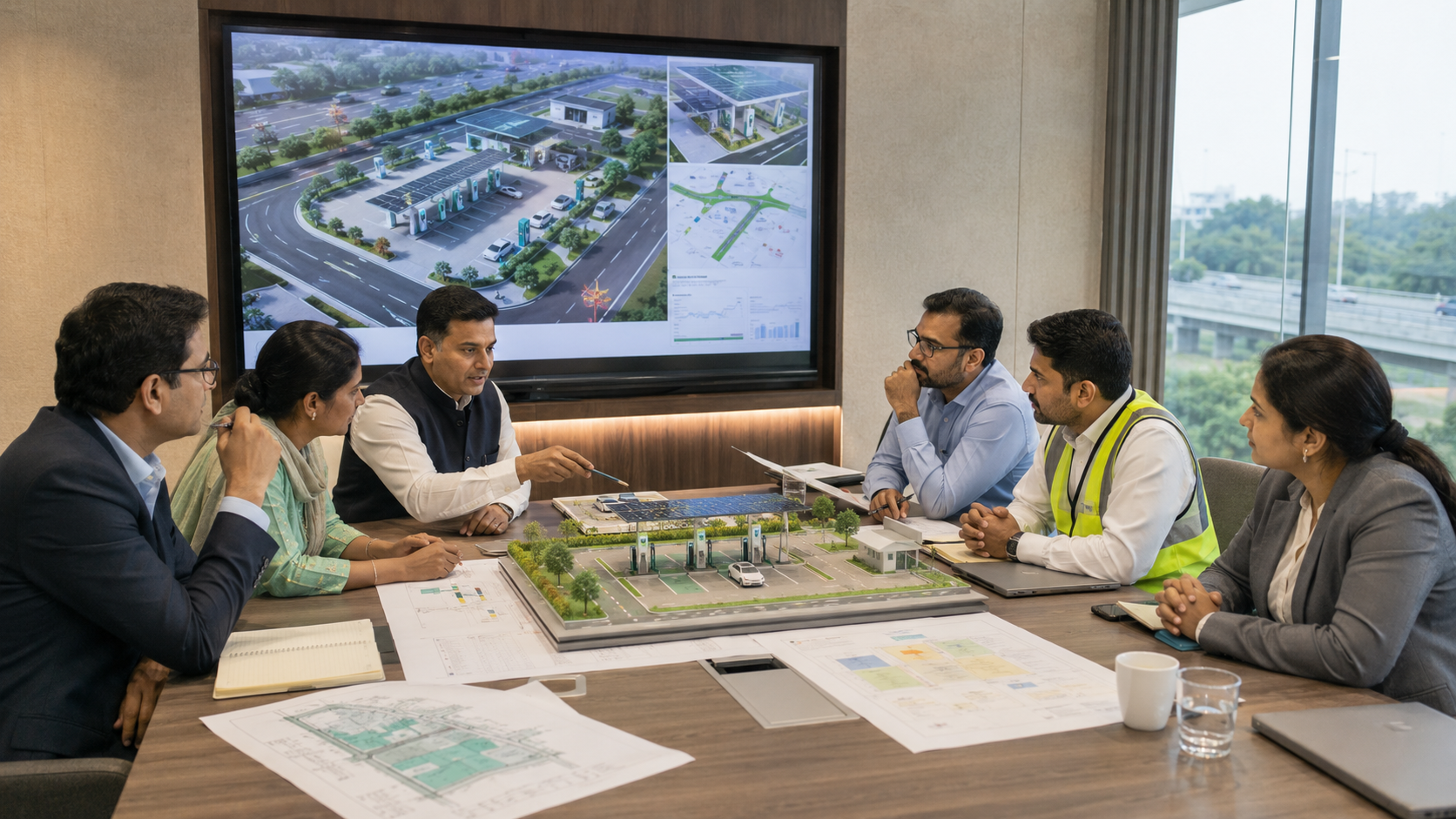
The operational structure does not generally list an ordinary private company, individual investor, hotel owner, mall owner or landowner as a direct proposal-submitting entity.
Direct proposals are primarily submitted through:
- Government ministries
- States and Union Territories
- Central public-sector enterprises
- Government autonomous bodies
- Public-sector undertakings
- Appointed nodal agencies
However, private companies can still participate in the deployment process.
Eligible government or public-sector entities may appoint private Charge Point Operators through a transparent bidding process. The selected CPO may be responsible for procuring chargers, establishing upstream infrastructure, operating the charging station and maintaining service availability.
Private businesses may participate as:
- Charge Point Operators
- EV charging infrastructure providers
- Engineering, procurement and construction partners
- Charger manufacturers and suppliers
- Software and payment-platform providers
- Operations and maintenance companies
- Land or property partners
- Electrical infrastructure contractors
A private business should not advertise the subsidy as guaranteed or assume it can automatically recover a fixed percentage of its investment.
Participation depends on the approved proposal, location category, nodal agency, procurement process and availability of scheme funds.
PM E-DRIVE Subsidy Categories
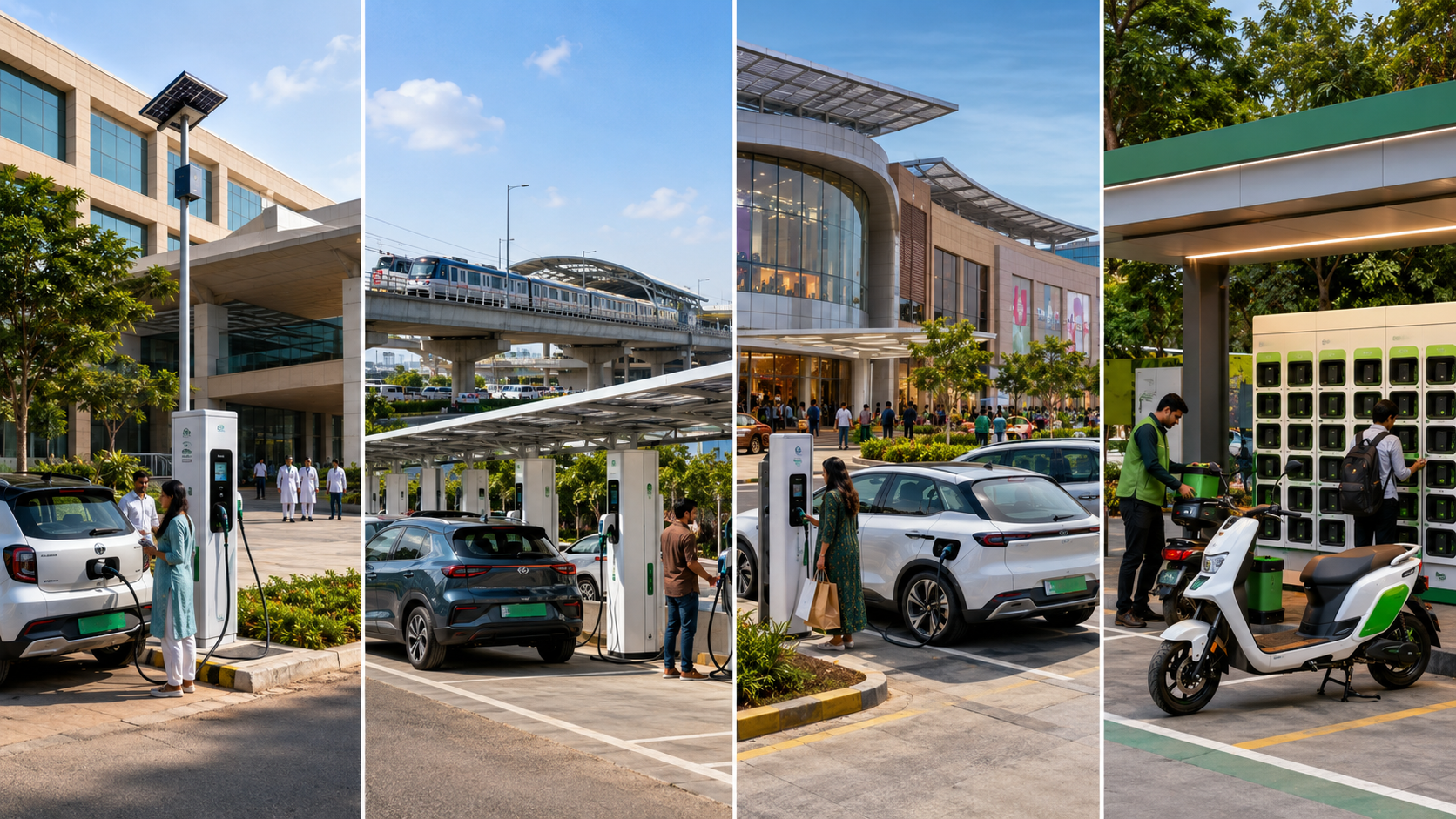
The amount of support depends largely on the type and ownership of the proposed location.
Category A
Category A may include central or state government premises, government offices, hospitals, educational institutions, residential complexes, central public-sector enterprise premises and other government establishments offering unrestricted public access.
Eligible projects under this category may receive:
- 100% support for eligible upstream infrastructure costs
- 100% support for eligible EV charging equipment costs
Chargers installed under this category must remain accessible to eligible public EV users without unreasonable restrictions.
Category B
Category B may include government-owned, controlled or managed public locations such as:
- Railway stations
- Eligible airports
- Public-sector fuel outlets
- Bus stations
- Metro stations
- Municipal parking areas
- Public ports
- Toll plazas
- Highway wayside amenities
Eligible projects under this category may receive:
- 80% support for eligible upstream infrastructure costs
- 70% support for eligible EV charging equipment costs
Category C
Category C includes other locations not covered under Categories A and B.
These may include:
- Streets
- Shopping malls
- Market complexes
- Commercial properties
- Locations along highways
- Locations along expressways
Eligible projects under this category may receive:
- 80% support for eligible upstream infrastructure costs
A separate subsidy for the charging equipment itself may not apply under this category.
Category D
Category D applies to eligible public battery-swapping stations and battery-charging stations.
Eligible projects may receive:
- 80% support for eligible upstream infrastructure costs
The final subsidy amount depends on project approval, benchmark costs, actual eligible expenses and location classification.
What Is Upstream Infrastructure?
Upstream infrastructure refers to the electrical and physical systems needed to deliver power safely to the charging equipment.
It may include:
- Distribution transformers
- High-tension and low-tension cables
- AC distribution boxes
- Circuit breakers
- Electrical isolators
- Protection systems
- Tubular or PCC mounting structures
- Fencing
- Eligible civil works
- Other equipment required before connecting the charger
The EV Supply Equipment, or EVSE, refers to the charger itself, including its charging gun or connector.
The eligible subsidy is generally calculated using the lower of:
- The notified benchmark cost
- The actual eligible project cost
Refundable deposits and expenses outside the approved project scope may not be included in the subsidy calculation.
Indicative Upstream Infrastructure Benchmark Costs
The operational framework provides indicative benchmark amounts for calculating eligible support.
| EV Charging Station Rating | Indicative Benchmark Cost |
| Up to 50 kW | ₹6.04 lakh |
| Up to 100 kW | ₹14.80 lakh |
| Up to 150 kW | ₹19 lakh |
| Above 150 kW | ₹24 lakh |
Indicative EV Charger Benchmark Costs
| Charger Configuration | Indicative Benchmark Cost |
| 50 kW CCS-II charger | ₹7.25 lakh |
| 100 kW CCS-II charger | ₹11.68 lakh |
These values should be treated as reference amounts rather than guaranteed subsidy payments.
The final approved amount may depend on:
- Location category
- Actual project cost
- Approved charger configuration
- Technical specifications
- Benchmark limits
- Available budget
- Compliance with scheme conditions
Which Locations Are Prioritised?
The scheme follows a focused approach towards cities and highways where charging infrastructure can serve a meaningful number of EV users.
Priority Locations in Cities
Eligible entities may prioritise:
- Million-plus cities
- Cities covered under the Smart Cities programme
- Satellite towns connected to major metropolitan areas
- State capitals
- Union Territory capitals
- Cities covered under the National Clean Air Programme
- Locations with significant EV penetration
- Areas with demonstrated charging demand
Other cities and locations may also be considered based on local EV adoption and infrastructure requirements.
Priority Highway Locations
Highway proposals may consider:
- Routes carrying high vehicle volumes
- Highways connecting major cities
- Roads connecting industrial hubs
- Routes serving ports and logistics centres
- Interstate corridors
- Intercity routes
- Locations recommended by nodal agencies
- Highway wayside amenities
- Toll plazas and public rest areas
A strong highway charging proposal should consider traffic volume, charging demand, electrical capacity, nearby facilities and accessibility from both directions.
Technical Standards for Eligible Chargers
Charging infrastructure supported under PM E-DRIVE must follow applicable Ministry of Power guidelines, Indian charging standards and safety requirements.
The supported charging configurations may include:
- Light-EV charging systems for electric two-wheelers and three-wheelers
- CCS-II DC charging for electric cars
- Higher-capacity CCS-II charging for electric buses
- High-power charging systems for electric trucks
- Battery-swapping and battery-charging systems
Depending on the vehicle category, charger capacities may range from light-EV systems to high-power DC chargers designed for commercial vehicles.
Project planners should verify:
- Vehicle compatibility
- Connector standards
- Charger capacity
- Electrical-load availability
- Manufacturing requirements
- Ministry of Power compliance
- Safety and protection systems
- Digital payment compatibility
- Charger-management software
- Operational data-sharing requirements
Choosing the correct charger capacity is important. Installing an oversized charger where sufficient electrical load is unavailable can increase project costs and delay commissioning.
PM E-DRIVE Application and Approval Process
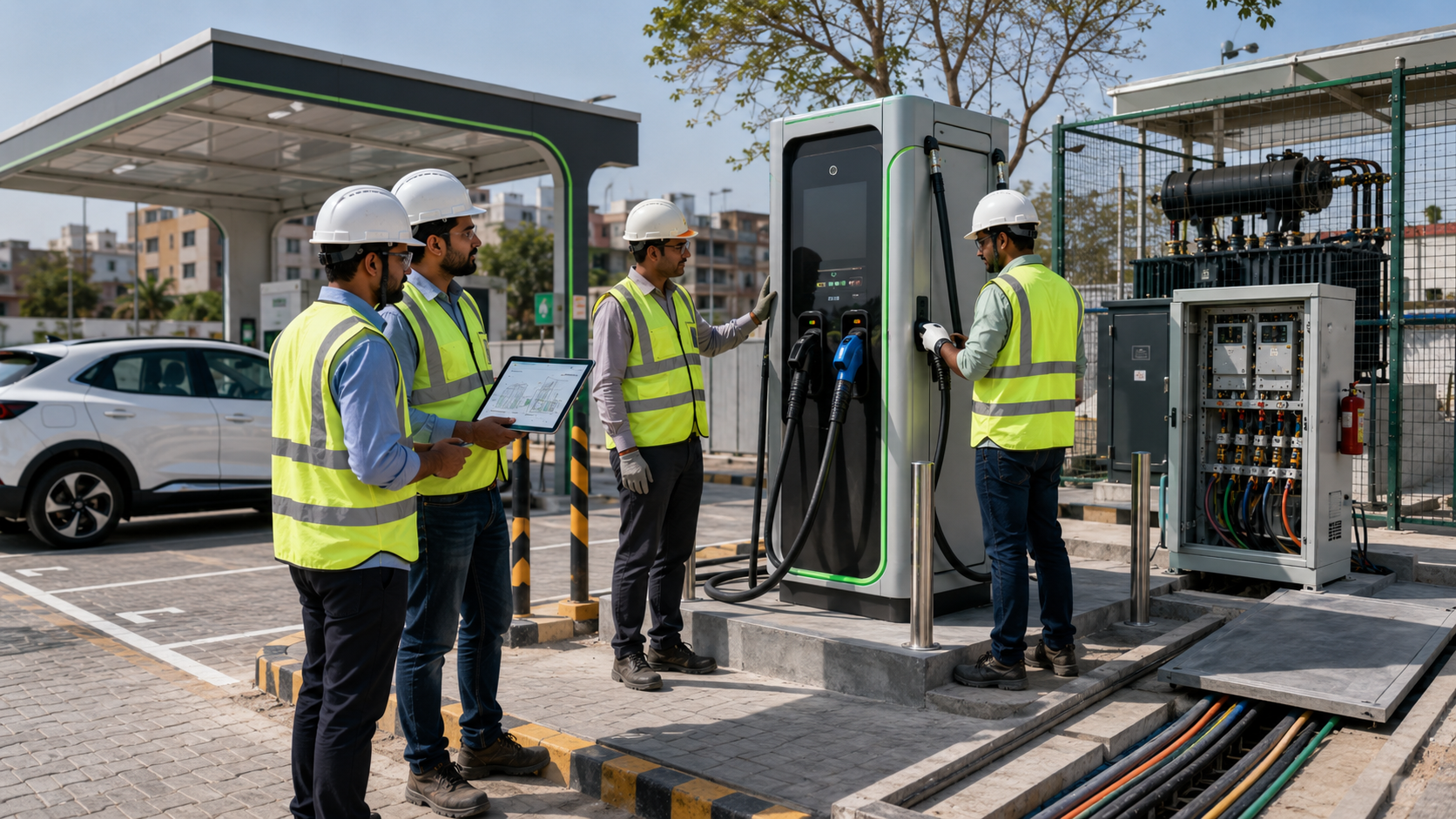
The proposal and subsidy-disbursement process can be understood through the following stages.
Step 1: Appointment of a Nodal Agency
The eligible ministry, state or Union Territory appoints one or more nodal agencies to coordinate charging-infrastructure projects.
Step 2: Location Identification and Demand Assessment
The nodal agency identifies suitable charging locations and estimates the number and type of chargers required.
The assessment may include:
- Expected EV traffic
- Vehicle categories
- Existing charging facilities
- Available electrical load
- Transformer requirements
- Parking capacity
- Highway or city accessibility
- Estimated daily charging demand
Step 3: Preparation of the Proposal
The proposal should specify:
- Charging-station locations
- Number of chargers at every location
- Vehicle categories to be served
- Charger capacities
- Required upstream infrastructure
- Requested subsidy amount
- Implementation model
- Proposed project timeline
- Whether the station will be operated directly or through a CPO
Step 4: Proposal Submission
The nodal agency submits the proposal through the official PM E-DRIVE process.
The Ministry reviews the submission and may:
- Approve the proposal
- Request additional information
- Ask for modifications
- Reduce or revise the proposed project scope
- Reject locations that do not meet the required criteria
Step 5: Procurement and Electricity Connection
After approval, the nodal agency begins the procurement process and applies for the required electricity connections.
Where a private CPO is engaged, its selection must follow the procurement mechanism determined by the respective government entity.
Step 6: Release of the First Subsidy Tranche
The first subsidy tranche may be released after the required approvals, undertakings and proof relating to infrastructure and equipment procurement have been submitted.
The release remains subject to the applicable scheme conditions.
Step 7: Installation and Commissioning
The approved chargers and electrical infrastructure are installed, tested, energised and commissioned.
The installation should follow:
- Approved technical specifications
- Electrical safety requirements
- Applicable charger standards
- Civil and parking-layout requirements
- Public-accessibility conditions
- Digital-platform integration requirements
Step 8: Operational Data Integration
Installed charging stations may be required to share operational information with the national platform or unified charging hub specified by the authorities.
The shared information may include:
- Charger location
- Charger availability
- Operational status
- Charging prices
- Connector type
- Digital payment options
- Charging-slot information
Step 9: Release of the Final Subsidy Tranche
The remaining subsidy may be considered after:
- Installation is completed
- Chargers are commissioned
- Technical compliance is verified
- Required platform integration is completed
- Utilisation certificates are submitted
- Necessary undertakings and project documents are provided
Approval of one stage does not automatically guarantee the release of all subsequent subsidy tranches.
How Private EV Charging Companies Should Prepare
Even when a private company is not the direct applicant, it can prepare to participate in government, municipal, highway and public-sector charging projects.
Build a Technically Compliant Charger Portfolio
Chargers should meet applicable Indian connector, safety, communication and manufacturing requirements.
Businesses should maintain complete technical documentation, including:
- Product specifications
- Safety certificates
- Test reports
- Warranty details
- Connector information
- Charger-management capabilities
- Maintenance procedures
- Installation requirements
Develop Site-Feasibility Capabilities
A strong site assessment should evaluate:
- Available sanctioned electrical load
- Transformer requirements
- Vehicle movement
- Parking configuration
- Charger accessibility
- Future capacity expansion
- Fire and electrical safety
- Internet connectivity
- Payment connectivity
- Distance from the power source
- Civil-work requirements
Create an Operations and Maintenance Plan
Public charging projects require dependable charger availability.
The operator should define:
- Preventive maintenance schedules
- Remote monitoring procedures
- Complaint-resolution timelines
- Spare-parts availability
- Technician deployment
- Emergency shutdown procedures
- Charger uptime targets
- Software-update processes
Prepare for Interoperable Digital Operations
The charging-management platform should be capable of handling:
- Charger availability
- User authentication
- Digital payments
- Charging tariffs
- Session monitoring
- Remote diagnostics
- Fault reporting
- Energy consumption
- Operational data sharing
Track Government and Public-Sector Tenders
Private participation may happen through tenders issued by:
- State nodal agencies
- Public-sector undertakings
- Municipal bodies
- Transport authorities
- Highway authorities
- Airports
- Metro authorities
- Public-sector fuel retailers
- Electricity distribution companies
- Development authorities
Businesses should regularly monitor relevant procurement portals and tender notifications.
Avoid Unsupported Subsidy Claims
A charging company should not promise customers or investors that every private installation will receive an 80% or 100% subsidy.
The actual support depends on:
- Project approval
- Applicant eligibility
- Location category
- Benchmark cost
- Actual eligible cost
- Technical compliance
- Procurement process
- Availability of scheme funds
- Installation and commissioning status
All subsidy-related marketing communication should clearly state that approval is subject to government guidelines and the applicable implementing authority.
Business Opportunities Created by PM E-DRIVE
The PM E-DRIVE Scheme can create business opportunities beyond the direct sale of EV chargers.
Companies may participate in:
- Public charging-station operations
- Highway fast-charging projects
- Municipal parking electrification
- Charging facilities at transport hubs
- Electric bus-depot charging
- Electric truck charging
- Charger installation and commissioning
- Electrical infrastructure development
- Charging-management software
- Payment-system integration
- Remote charger monitoring
- Preventive maintenance
- Battery-swapping infrastructure
- Battery-charging infrastructure
- Site development
- Land partnerships
- Renewable-energy integration
The strongest projects will be those that combine a suitable location, dependable electrical capacity, compatible charging equipment and a sustainable operating model.
Key Factors to Evaluate Before Investing
Businesses should evaluate the complete commercial and technical feasibility of a project before making an investment decision.
Important factors include:
- Expected daily charging sessions
- Vehicle categories using the location
- Charger utilisation rate
- Electricity tariff
- Demand charges
- Land cost or rental
- Transformer and connection cost
- Charger procurement cost
- Maintenance expenses
- Software-platform charges
- Payment-gateway costs
- Staffing requirements
- Nearby competition
- Future EV growth
- Possible subsidy eligibility
A subsidy can reduce part of the initial investment, but it cannot replace a viable business model.
A charging station must still have sufficient demand, reliable uptime, appropriate pricing and suitable customer facilities.
Common Misunderstandings About the Subsidy
Every Private Charging Station Will Receive a Subsidy
This is incorrect. Eligibility depends on the applicant, location category, implementing agency and approved proposal.
The Subsidy Is Automatically Paid Before Installation
Subsidy disbursement is linked to approval, procurement, installation, commissioning and compliance milestones.
The Government Covers Every Project Expense
Only eligible expenses within approved benchmark limits may be considered.
A Subsidy Guarantees Profitability
A subsidy may reduce capital expenditure, but profitability still depends on utilisation, electricity costs, location quality, pricing and maintenance.
Any Charger Can Be Installed Under the Scheme
Chargers must meet the applicable technical, connector, safety and manufacturing requirements.
Conclusion
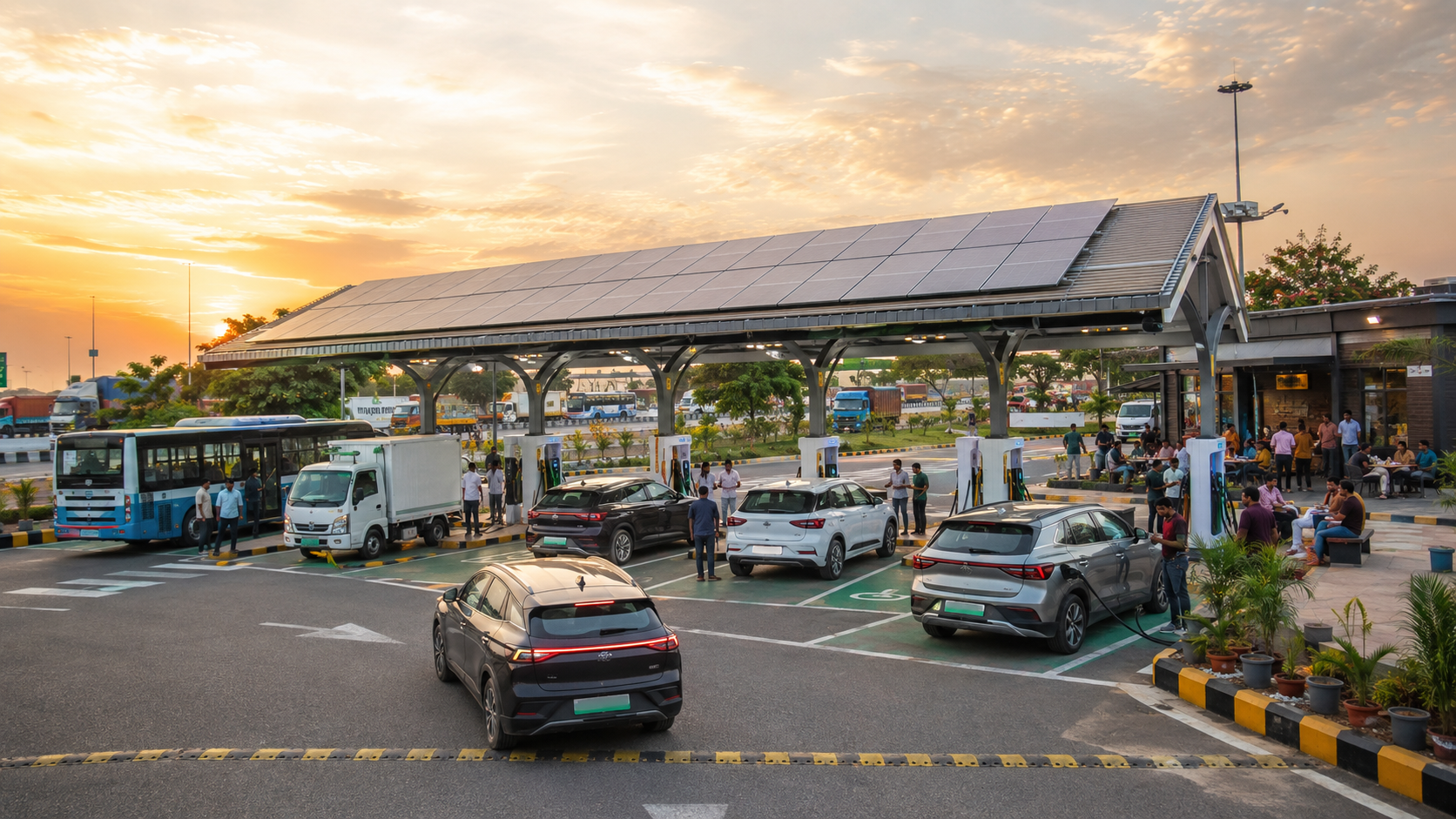
The PM E-DRIVE EV charging subsidy represents an important effort to strengthen India’s public charging network. With dedicated financial support for charging infrastructure, the scheme can encourage the development of charging facilities at government premises, public transport locations, highways, commercial areas and battery-swapping stations.
However, private investors must understand that the scheme is not a universal direct subsidy for every independently installed charging station.
Proposals are generally submitted through eligible government and public-sector entities, while private companies participate as Charge Point Operators, equipment suppliers, contractors, software providers, maintenance partners or infrastructure developers.
Before planning a project, businesses should evaluate the location, electricity capacity, charger configuration, technical compliance, operating model and applicable procurement route.
Planning an EV charging station or exploring an EV charging business opportunity? Contact Earthtron EV to discuss location feasibility, charger requirements and a suitable implementation model for your project.