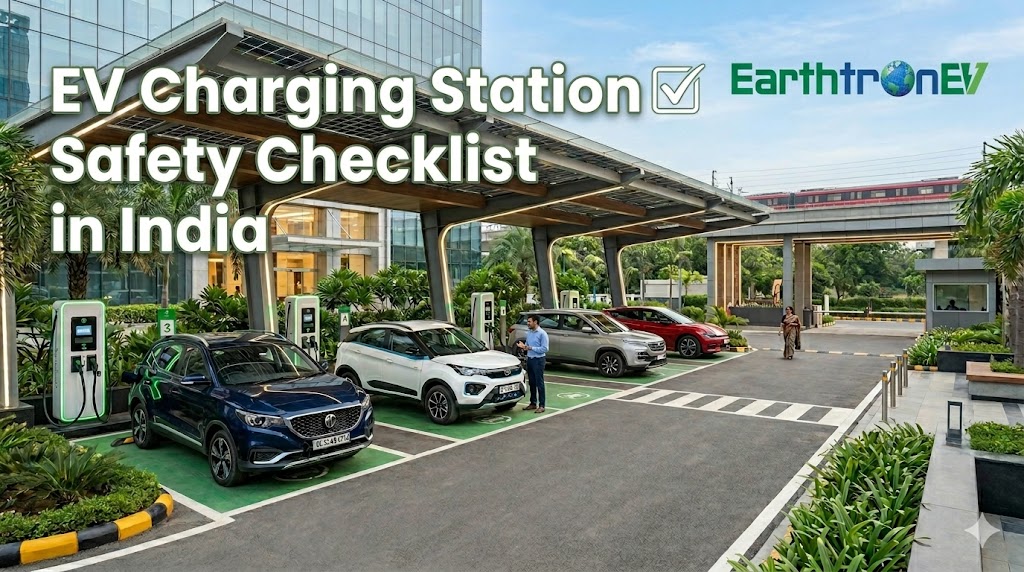
EV charging stations are becoming more common across India as electric vehicle adoption continues to grow. From highways and malls to offices, hotels, petrol pumps, and residential societies, EV charging points are now becoming an important part of modern mobility infrastructure.
But along with convenience, safety is also very important. An EV charging station deals with electricity, vehicles, users, charging cables, digital systems, and outdoor conditions. If safety is not planned properly, it can create problems for users as well as station operators.
A safe EV charging station helps build trust, improves customer experience, reduces breakdown risks, and supports long-term business success.
Why Safety Is Important at EV Charging Stations
EV users expect a charging station to be reliable, easy to use, and safe. If a charging station has damaged cables, poor lighting, waterlogging, loose wiring, or unclear instructions, users may avoid it.
Safety is important not only during installation but also during daily operation. A charging station should be checked regularly so that users can charge their vehicles without fear or confusion.
For operators and investors, safety also protects the charging equipment and reduces the chances of costly repairs or downtime.
Proper Electrical Installation
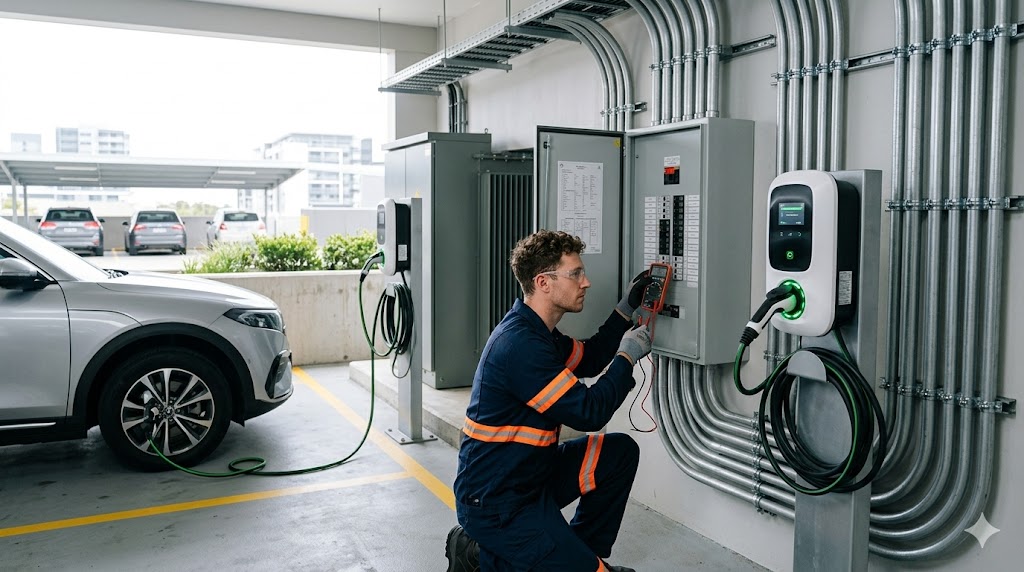
Electrical installation is the most important part of EV charging station safety. EV chargers need proper wiring, stable power supply, and safe electrical connections.
The installation should be done in a planned way so that the charger receives suitable power without overloading the system. Poor wiring, loose connections, or low-quality electrical components can create safety risks.
Operators should make sure that the charging station has proper earthing, electrical protection systems, safe panels, and professionally installed charging units.
Quality Charging Equipment
The quality of the EV charger directly affects safety and performance. A good charger should be durable, reliable, and suitable for the location where it is installed.
Outdoor charging stations need equipment that can handle weather conditions like heat, dust, and rain. Public charging stations should use chargers that can manage frequent usage.
Low-quality chargers may create problems such as overheating, charging failure, poor connectivity, or frequent breakdowns. Choosing good charging equipment is important for both user safety and business reliability.
Cable and Connector Safety
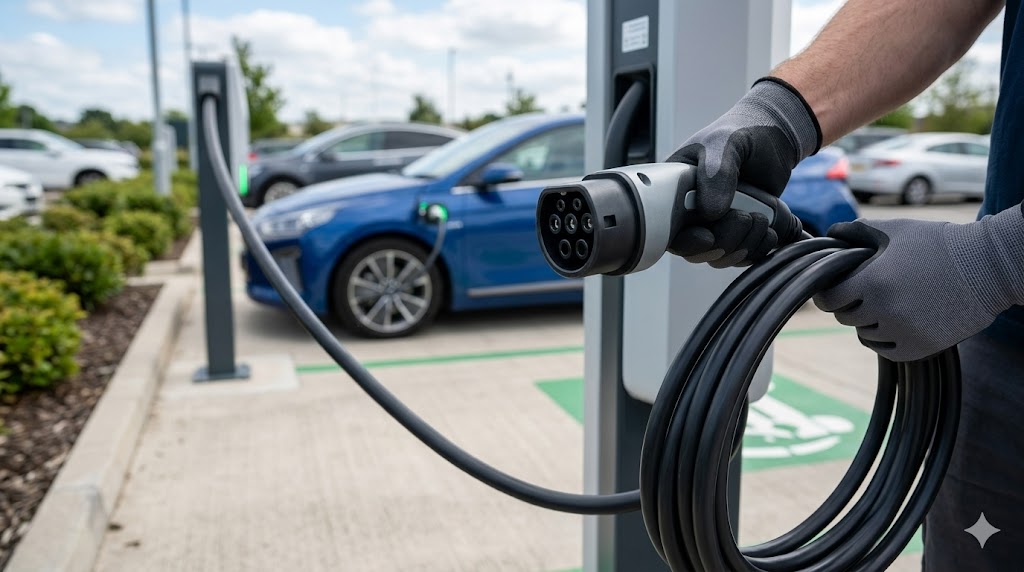
Charging cables and connectors are used again and again by different users. Because of regular handling, they should be checked frequently.
A damaged cable can create safety issues. Operators should check for cracks, cuts, exposed wires, loose connectors, broken handles, or overheating signs.
The connector should fit properly into the EV charging port. If the connector is loose or damaged, it may cause charging failure or user inconvenience.
Proper cable management is also important. Cables should not be left lying in a way that users can trip over them or vehicles can run over them.
Safe Parking Layout
A safe parking layout makes the charging experience easier and more organized. Vehicles should be able to enter, park, charge, and exit without difficulty.
Charging bays should have enough space so users can connect the cable comfortably. The station should avoid tight parking areas where vehicles may block each other.
For public stations, proper vehicle flow is important. If the layout is confusing, users may park incorrectly or block charging access for others.
Protection from Water and Weather
Many EV charging stations are installed outdoors, so weather protection is very important. Chargers should be installed in a way that reduces exposure to waterlogging, heavy rain, dust, and direct heat.
The charging area should not collect water during rain. Water near electrical equipment can create safety risks and damage the system.
Weather-protected equipment, proper drainage, and covered charging areas can help improve safety and equipment life.
Proper Lighting at the Station
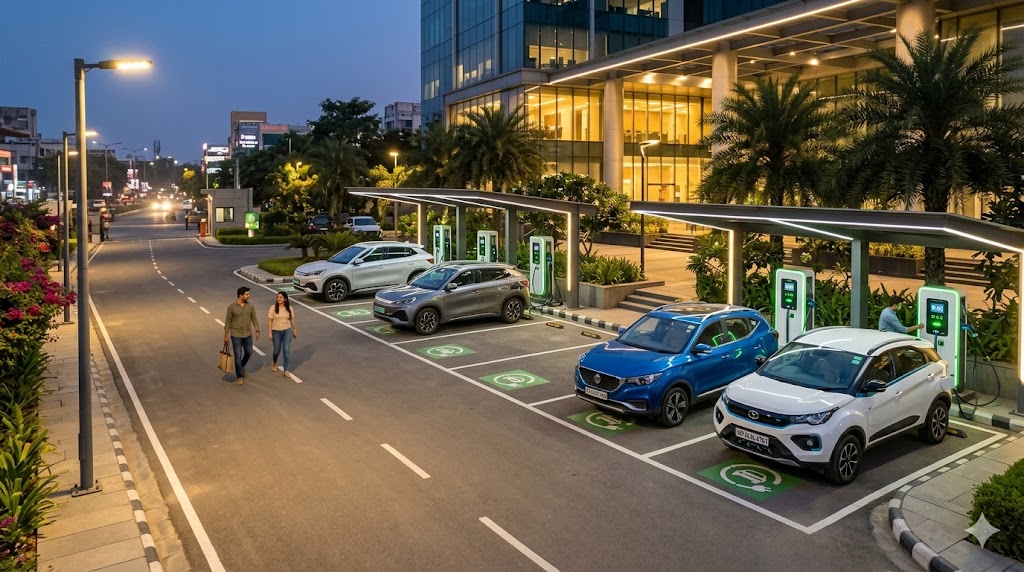
Lighting is important, especially for charging stations used during evening or night hours. Poor lighting can make users feel unsafe and can also make it difficult to connect the charger properly.
A well-lit charging station improves visibility, user confidence, and security. It also reduces the risk of accidents in the parking area.
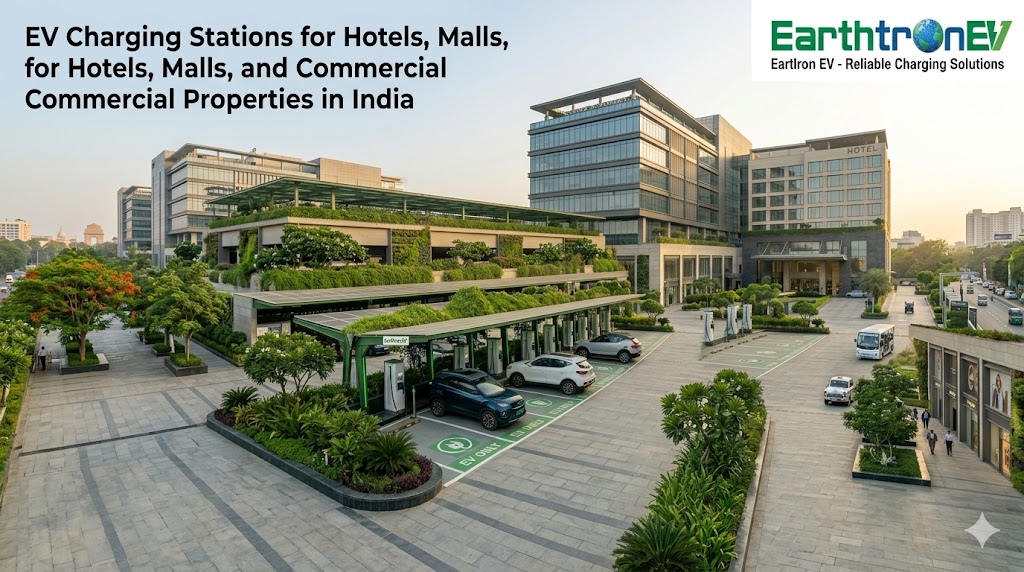
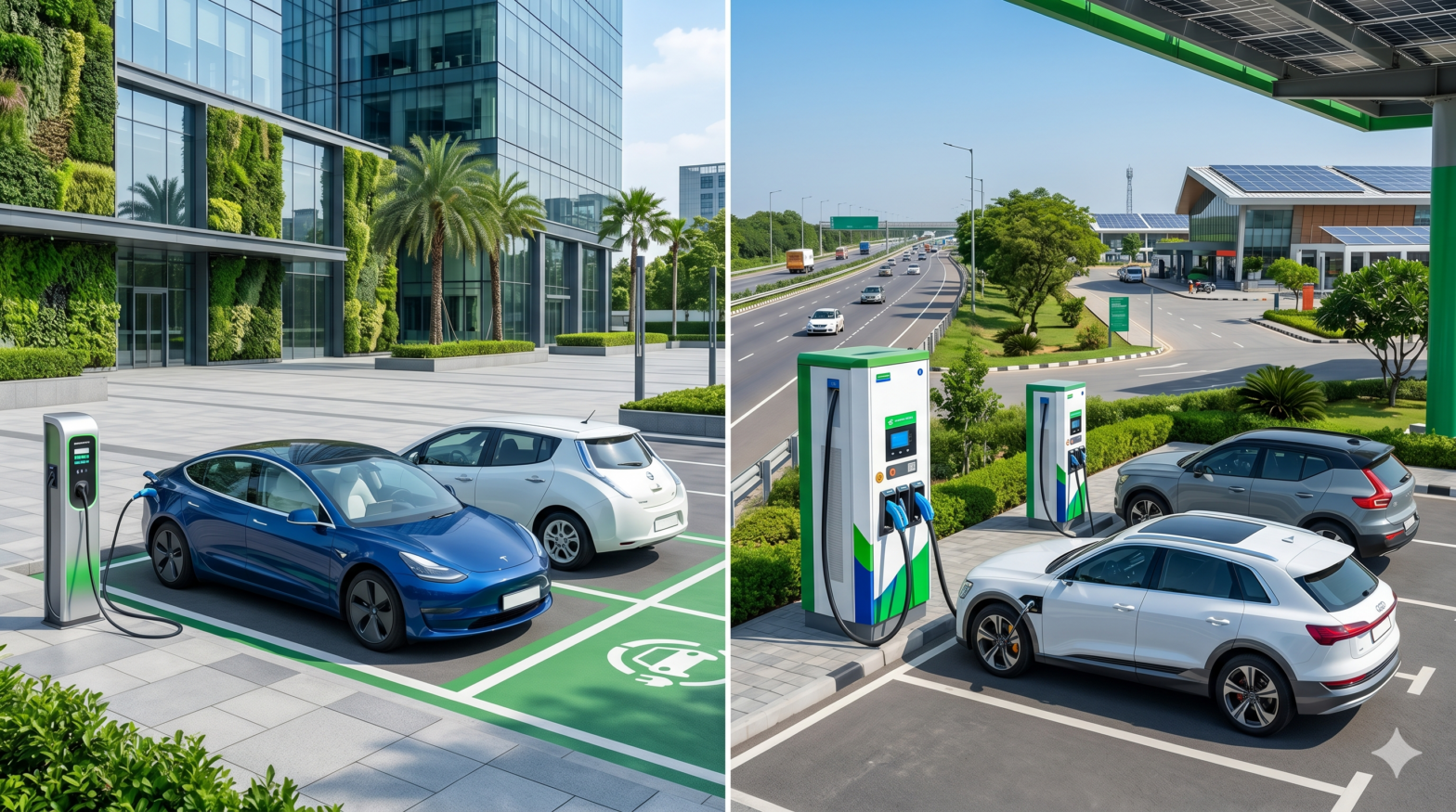
Highway charging stations, public parking stations, hotels, malls, and petrol pump charging points should have proper lighting for safe usage.
Clear User Instructions
Many EV users may be new to public charging stations. Clear instructions help users understand how to start charging, connect the charger, make payment, and stop the session.
Instructions should be simple and easy to follow. Complicated steps can confuse users and may lead to incorrect usage.
If the charging station uses app-based access or digital payment, the process should be smooth and clearly explained.
Digital Payment and System Safety
Digital payment is now common at EV charging stations. A safe and reliable payment system improves user experience.
Payment QR codes, app payments, transaction confirmation, and charging session records should work properly. If the payment system fails, users may get frustrated even if the charger is working.
Operators should regularly check payment systems, internet connectivity, and charging software to avoid user problems.
Fire Safety Arrangements
Fire safety is an important part of any electrical setup. EV charging stations should have basic fire safety planning, especially at commercial and public locations.
The charging area should have safe electrical panels, quality wiring, proper earthing, and protection from overload. Fire extinguishers and emergency response planning can also improve safety.
Station staff or operators should know what to do in case of an emergency.
Regular Maintenance Checks
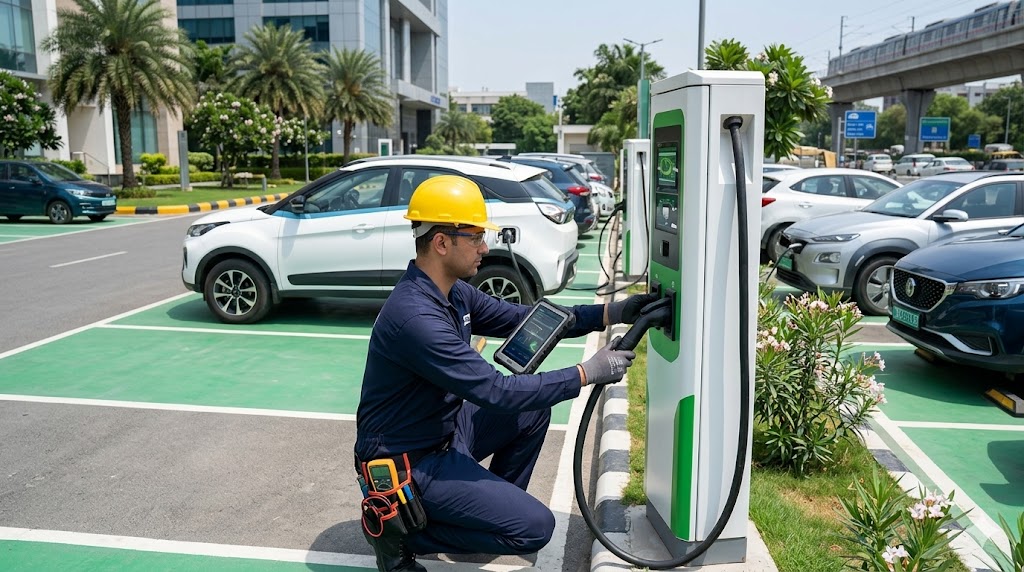
A charging station should not be checked only when a problem happens. Regular maintenance helps identify small issues before they become major problems.
Daily checks can include charger status, cable condition, cleanliness, parking access, and payment system working.
Weekly or monthly checks can include electrical inspection, software monitoring, connector testing, lighting, and safety equipment review.
A well-maintained charging station is safer and more reliable for users.
User Safety While Charging
EV users should also follow basic safety practices. They should park properly, connect the charger carefully, avoid pulling the cable harshly, and follow station instructions.
Users should not use damaged cables or chargers. If they notice sparks, overheating, broken connectors, waterlogging, or error messages, they should report the issue immediately.
Safe user behaviour helps protect both the vehicle and the charging station.
Safety for Residential EV Charging
Residential societies and apartment complexes also need safety planning for EV charging. Chargers should not be installed using unsafe temporary wiring or overloaded connections.
Society charging stations should have proper electrical load planning, safe parking allocation, cable management, and permission-based usage.
A planned residential charging setup is much safer than random or unmanaged charging arrangements.
Safety for Highway Charging Stations
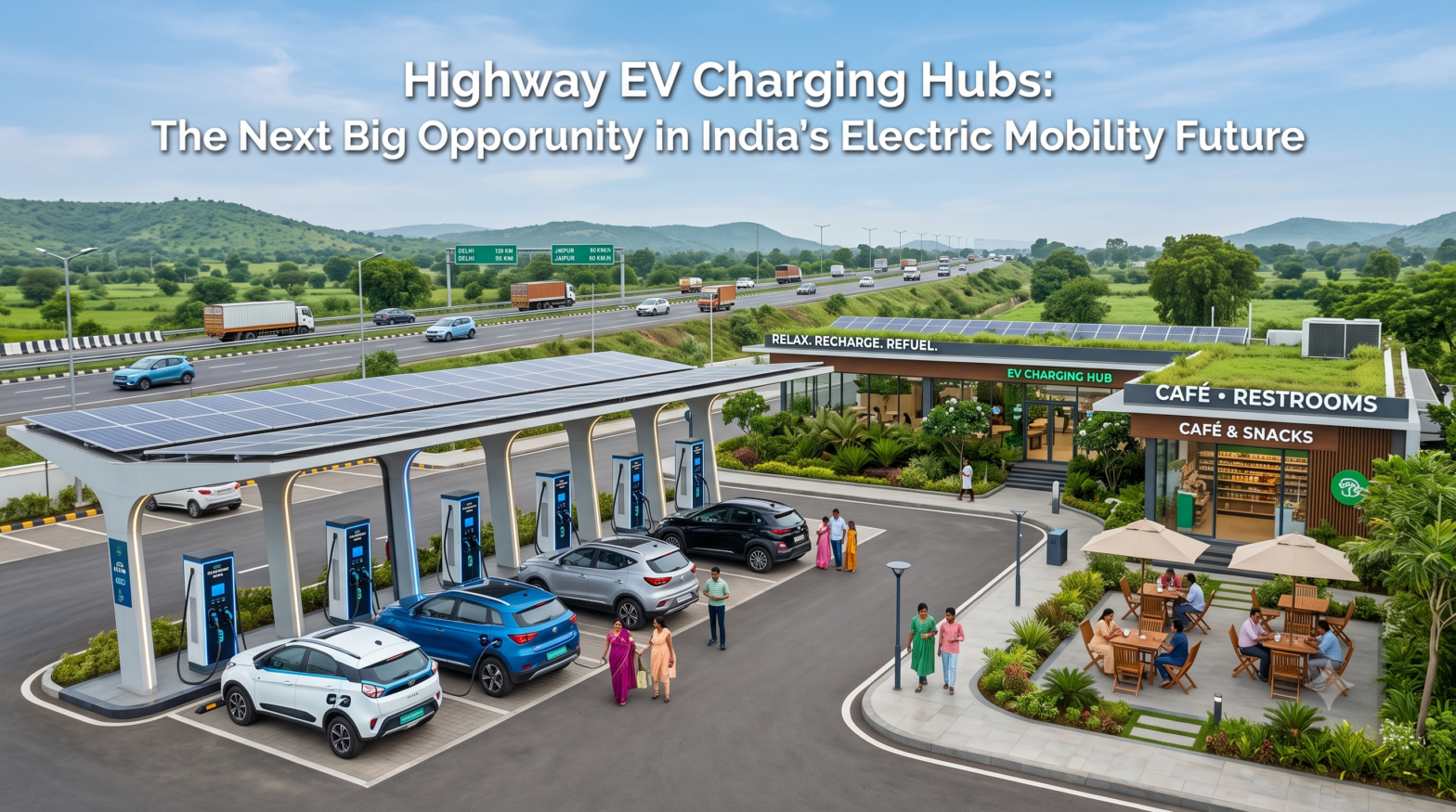
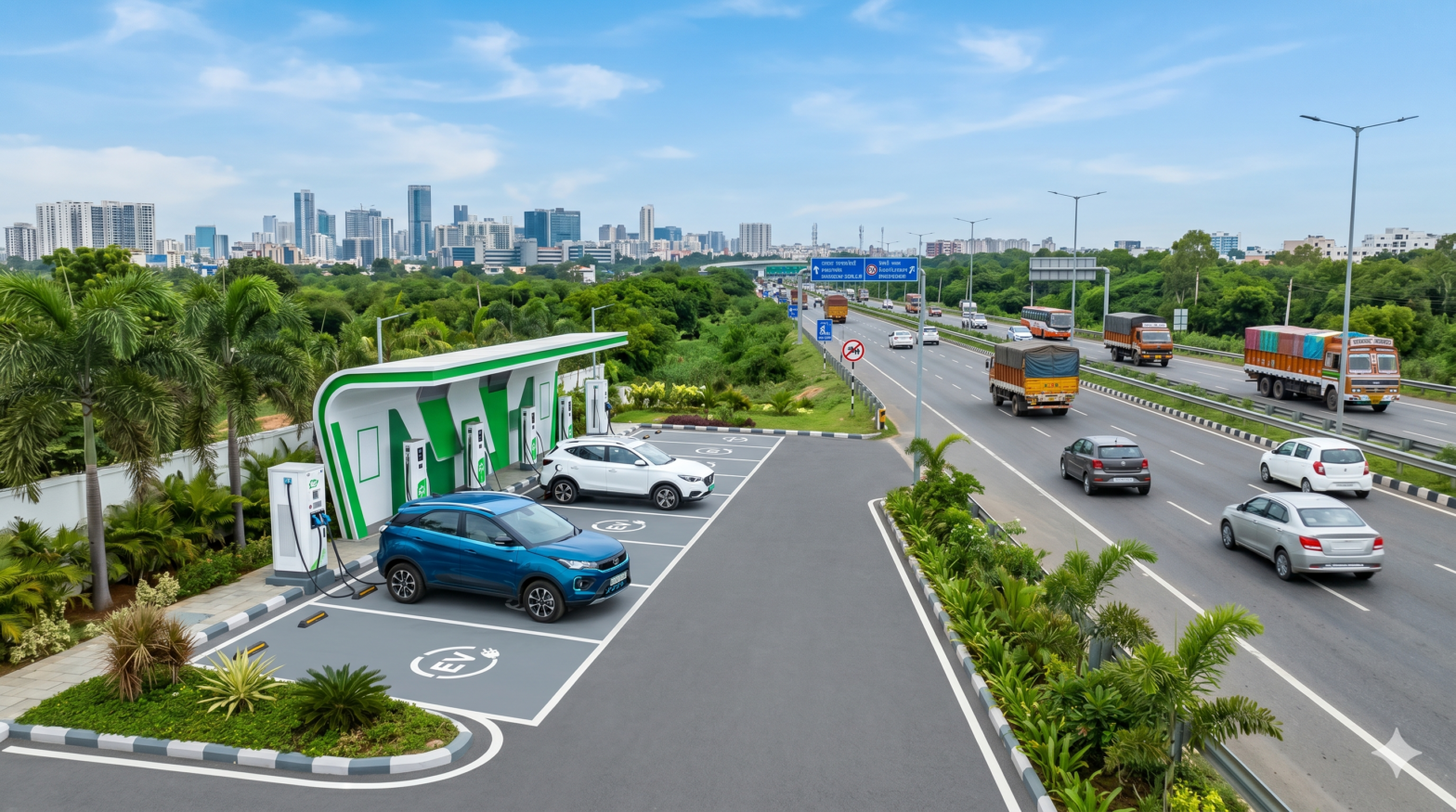
Highway EV charging stations need extra attention because users may charge during long-distance travel, late evenings, or unfamiliar routes.
These stations should have proper lighting, easy road access, clear parking bays, nearby waiting facilities, safe surroundings, and working chargers.
Since highway users depend heavily on charging availability, the station should be reliable and regularly maintained.
Common Safety Mistakes to Avoid
Some common mistakes can reduce EV charging station safety. These include poor wiring, damaged cables, weak lighting, blocked parking bays, waterlogging, lack of maintenance, unclear instructions, and ignoring small technical issues.
Another mistake is using chargers without checking whether the location has proper power support. The electrical setup should always match the charger requirement.
Safety should be planned from the beginning, not added later after problems start appearing.
How Safety Builds Customer Trust
A safe charging station creates confidence among EV users. When people see a clean, well-lit, organized, and properly maintained charging station, they feel more comfortable using it.
Trust is very important in the EV charging business. If users know that a station is safe and reliable, they are more likely to return and recommend it to others.
For operators, safety is not only a technical requirement. It is also a business advantage.
Conclusion
EV charging station safety is essential for users, operators, property owners, and investors. A safe station needs proper electrical installation, quality chargers, well-maintained cables, safe parking layout, weather protection, lighting, clear instructions, digital system reliability, and regular maintenance.
As EV adoption grows in India, users will prefer charging stations that are not only available but also safe and dependable.
By focusing on safety from the beginning, EV charging stations can deliver a better customer experience and become a trusted part of India’s clean mobility future.