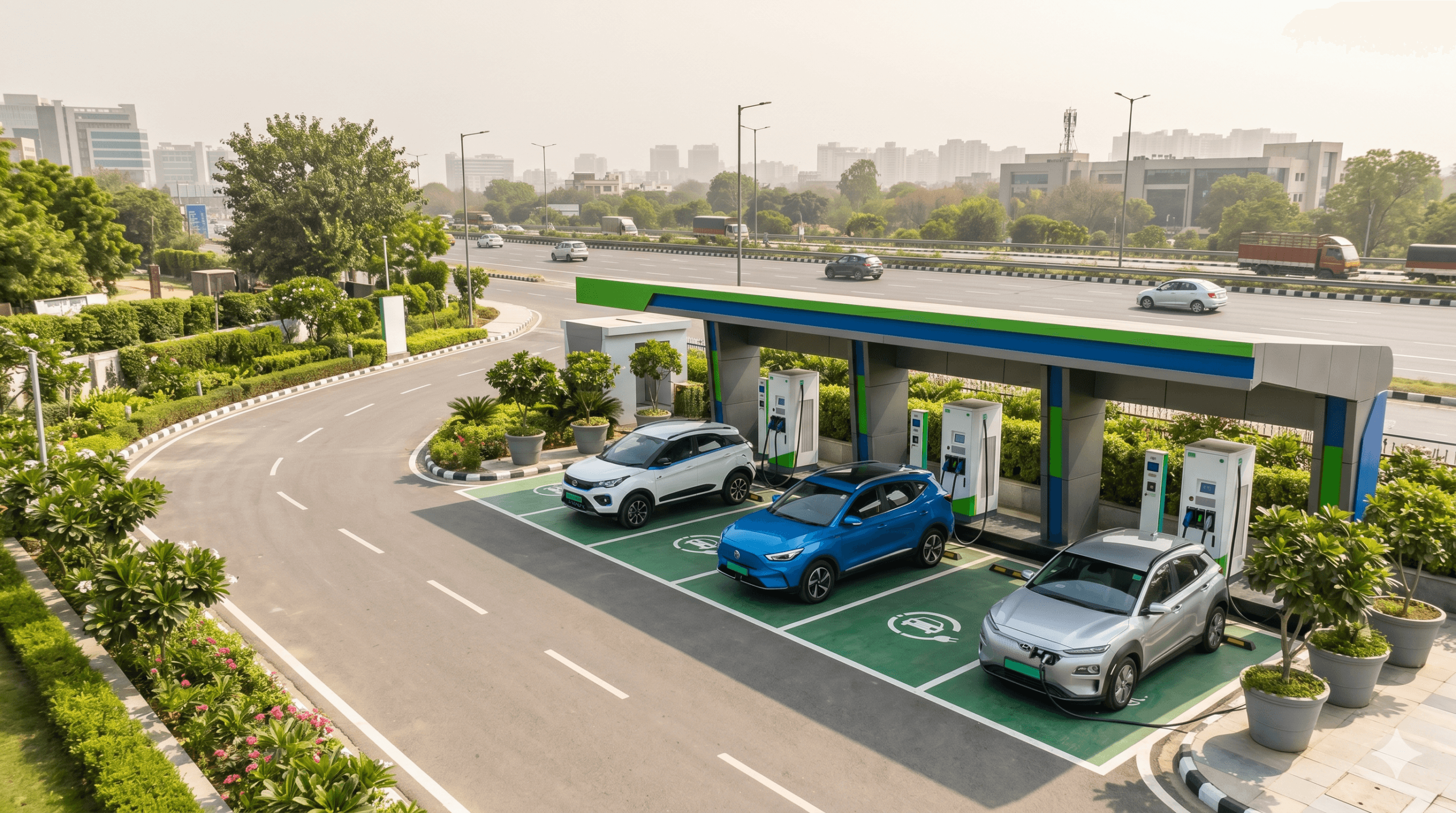
The electric vehicle market in India is growing, and EV charging stations are becoming an important part of the country’s future mobility system. As more people shift towards electric cars, electric two-wheelers, electric taxis and commercial EVs, the need for reliable charging infrastructure is increasing.
For anyone planning to start an EV charging station, selecting the right location is just as important as choosing the equipment. A successful station requires sufficient EV demand, suitable space, reliable power supply, safe vehicle access, convenient parking and facilities for users while they wait.
Entrepreneurs and property owners can also explore different
EV charging station business opportunities in India
before selecting a location and business model.
Why Location and Setup Planning Are Important
Setting up an EV charging station without proper planning can lead to low utilisation, operational issues and a poor customer experience. EV users expect charging stations to be easy to find, safe to access and convenient to use.
Proper planning helps investors evaluate local EV demand, choose an appropriate charger type, manage electricity requirements and provide a smooth charging experience. It also helps avoid unnecessary infrastructure costs and setup mistakes.
Investors evaluating a managed setup can review the
EarthtronEV charging station franchise programme
for information about site assessment, charger selection, installation and operational support.
Best Location Types for EV Charging Stations
A charging station should be placed where EV users naturally need charging support. The location must have sufficient vehicle movement, suitable parking, dependable electricity and safe entry and exit.
Suitable location types can include:
- Highways and expressways
- Petrol pumps and fuel-station forecourts
- Shopping malls and retail centres
- Hotels, restaurants and tourist destinations
- Corporate offices and workplace parking areas
- Residential societies and apartment complexes
- Fleet, logistics and taxi hubs
- Public parking areas and transport terminals
- Industrial and commercial areas
- Intercity routes and highway rest stops
A good location should have road visibility, easy entry and exit, sufficient parking and nearby facilities where users can spend time while their vehicle charges.
Highways and Intercity Routes
Highways, expressways, bypasses and intercity routes can be suitable for DC fast-charging stations. Drivers travelling long distances need reliable charging points that are easy to access without making a major detour.
Highway charging locations should ideally be close to restaurants, cafés, hotels, fuel stations, rest stops or other amenities. Read more about the potential of
highway EV charging hubs in India
.
Shopping Malls and Commercial Properties
Shopping malls, multiplexes, supermarkets and commercial properties can support EV charging because visitors often remain parked for an extended period. Depending on the average parking duration and customer profile, these locations can use AC chargers, DC chargers or a mixed configuration.
Property owners can learn more about
EV charging stations for hotels, malls and commercial properties
.
Hotels, Restaurants and Tourist Destinations
Hotels, resorts, restaurants and tourist destinations can offer charging as an additional facility for guests and travellers. These locations are particularly useful on intercity routes and near hill stations, pilgrimage destinations and weekend-travel corridors.
Hotels where guests stay overnight may benefit from AC charging, while highway hotels and restaurants with shorter customer dwell times may require faster charging options.
Corporate Offices and Workplace Parking
Corporate campuses and workplace parking areas can provide charging for employees, visitors and company fleets. Vehicles often remain parked throughout the working day, making these locations suitable for controlled AC charging and managed load distribution.
Businesses considering this model can review
EV charging solutions for workplace and corporate offices
.
Residential Societies and Private Land
Residential societies, apartment complexes and mixed-use developments can support overnight or long-duration charging. However, personal home charging and a public commercial charging station have different electrical, parking and operational requirements.
Landowners planning a commercial installation should first understand the requirements for an
EV charging station on residential or private land
.
Fleet, Taxi and Logistics Hubs
Fleet depots, taxi zones, logistics centres and delivery hubs can generate repeat charging demand. Unlike public charging stations, fleet locations generally require charging capacity to be planned around vehicle schedules, daily kilometres, battery sizes and operational downtime.
Businesses operating commercial vehicles can explore
EV charging solutions for logistics and fleet operators
.
Tier 2 and Tier 3 Cities
EV charging demand is expanding beyond major metropolitan areas. Tier 2 and Tier 3 cities may offer lower site costs and less competition, but each location must still be assessed for EV density, highway connectivity, fleet movement, grid capacity and existing charging coverage.
Investors considering smaller markets should review
EV charging opportunities in Tier 2 and Tier 3 cities
.
Space Requirement
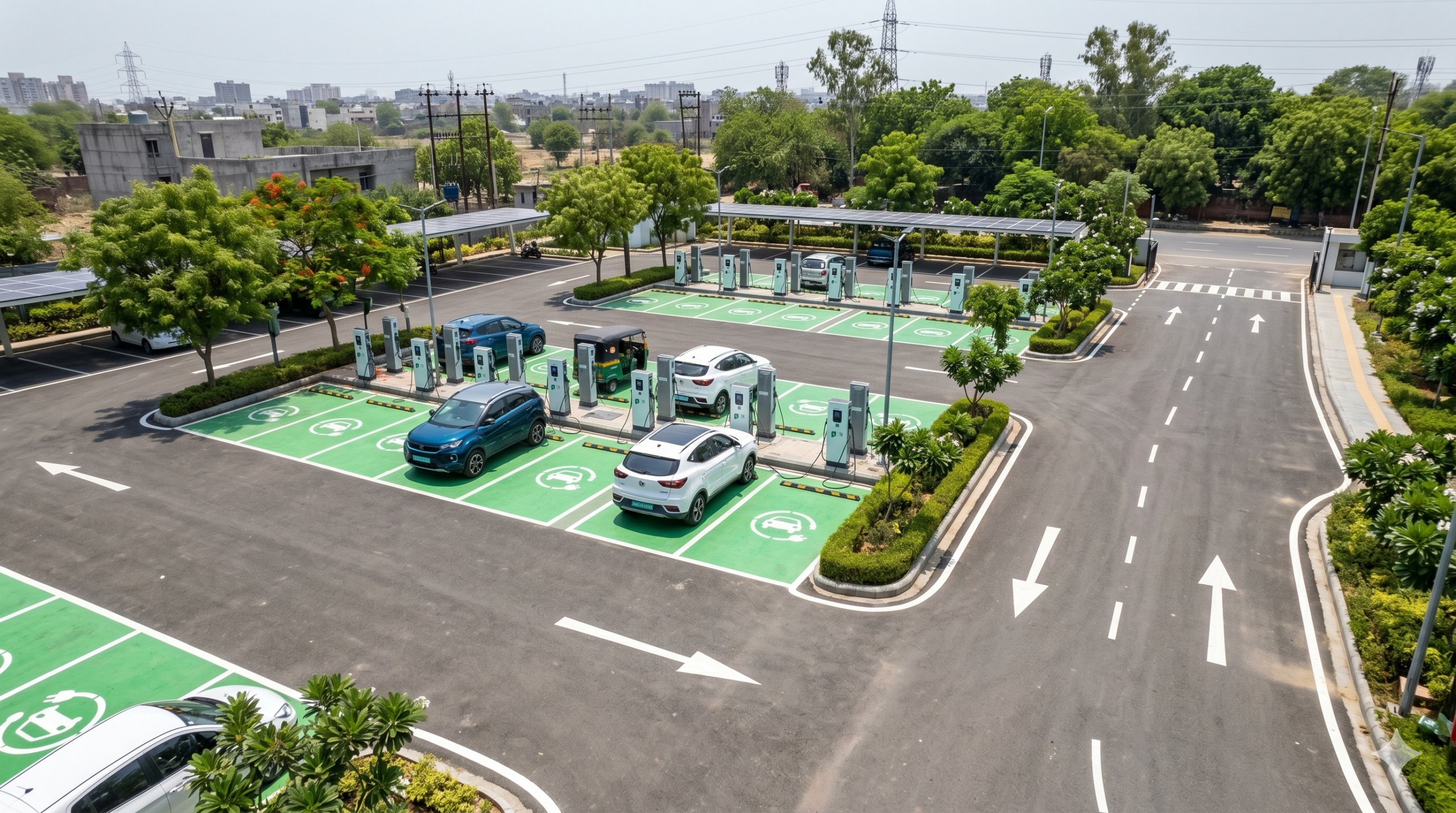
An EV charging station needs sufficient space for vehicles to park safely while charging. The layout should allow smooth vehicle movement without blocking other vehicles or pedestrian access.
The required space depends on the number of chargers, vehicle type, charger configuration and expected traffic. A small charging setup may require limited parking space, while a larger public station may need multiple charging bays, a waiting area and a planned traffic flow.
For commercial charging stations, vehicles should be able to enter, connect to a charger and exit without unnecessary reversing or congestion.
Power Supply Requirement
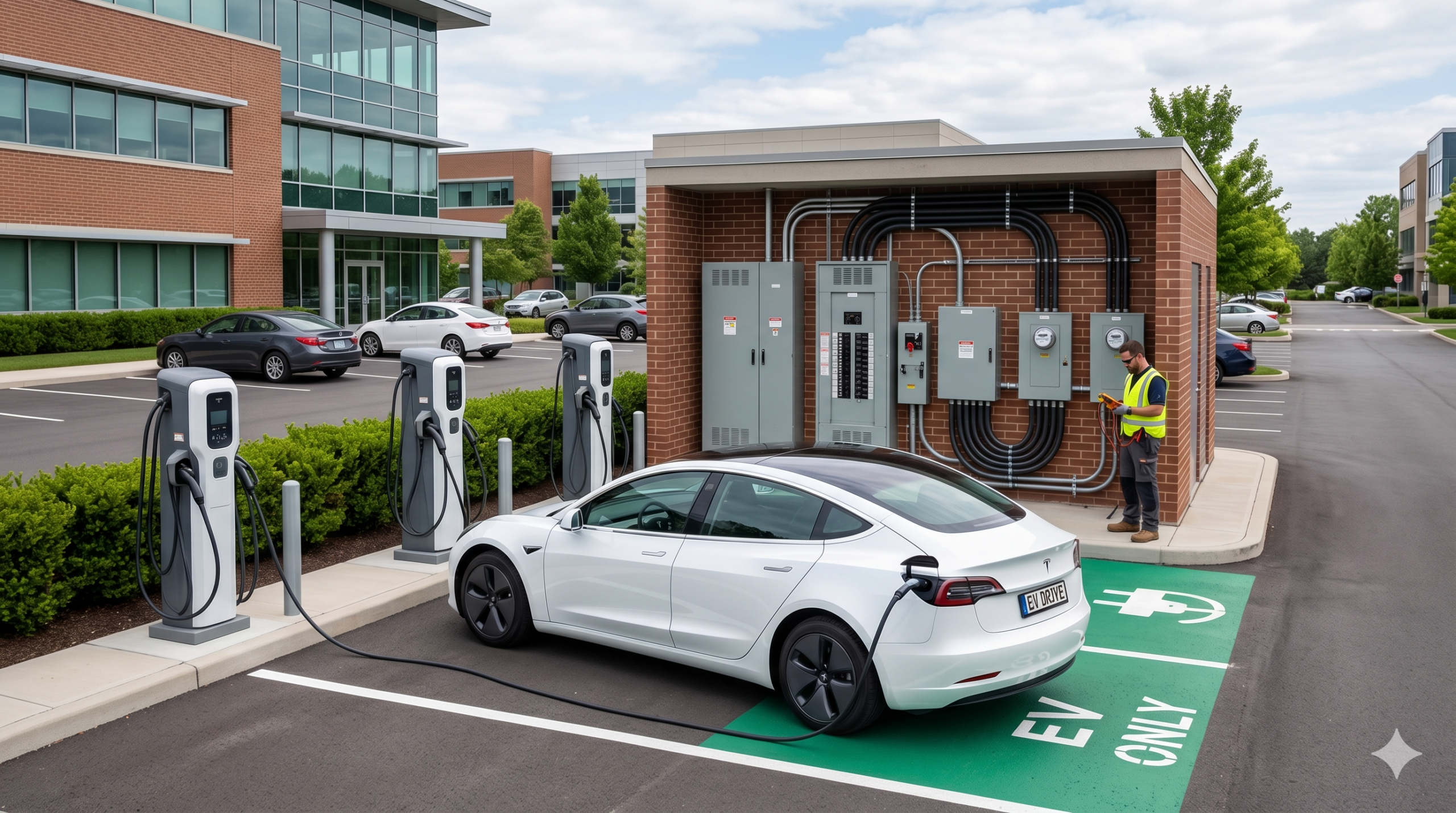
A stable and sufficient power supply is a major requirement for any EV charging station. The required electrical load depends on whether the site uses AC chargers, DC fast chargers or a combination of both.
AC chargers generally require less power than DC fast chargers. High-capacity DC chargers may require a dedicated electricity connection, sanctioned-load upgrade or transformer infrastructure.
Before finalising a site, investors should assess:
- Available sanctioned electrical load
- Transformer capacity and distance
- Electrical panel and cable requirements
- Earthing and protection systems
- Backup-power requirements
- Load-management capability
- Future power-upgrade feasibility
Choosing the Right Charger Type
Different locations require different charging configurations. The correct charger should be selected according to vehicle type, customer dwell time, expected daily usage and available power.
AC chargers are generally suitable for locations where vehicles remain parked longer, such as homes, residential societies, offices, hotels, malls and restaurants.
DC fast chargers are better suited to highways, public charging stations, taxi zones, fleet hubs and commercial locations where drivers need shorter charging times.
In some cases, a combination of AC and DC chargers can serve a wider range of users. Review this detailed comparison of
AC and DC EV chargers
before finalising the configuration.
Parking Layout and Vehicle Movement
A well-designed parking layout improves safety and user experience. Charging bays should be clearly marked so drivers can park and connect the charging cable without difficulty.
The site should provide enough space for vehicle turning, entry, exit and waiting. Charging cables must not block walkways or create tripping hazards.
Larger stations may need separate charging bays for cars, two-wheelers, taxis, buses or commercial fleet vehicles.
Safety Requirements
EV charging stations use high-power electrical systems and therefore require proper safety planning. The site should use compliant equipment, suitable wiring, earthing, overload protection, surge protection and safe cable management.
Important safety considerations include:
- Electrical earthing and protective devices
- Fire extinguishers and emergency procedures
- Weather-protected charging equipment
- Safe cable placement
- Clear operating instructions
- Adequate lighting and CCTV coverage
- Emergency contact information
- Regular equipment inspection
Use this
EV charging station safety checklist
when assessing a proposed site.
User Convenience and Nearby Facilities
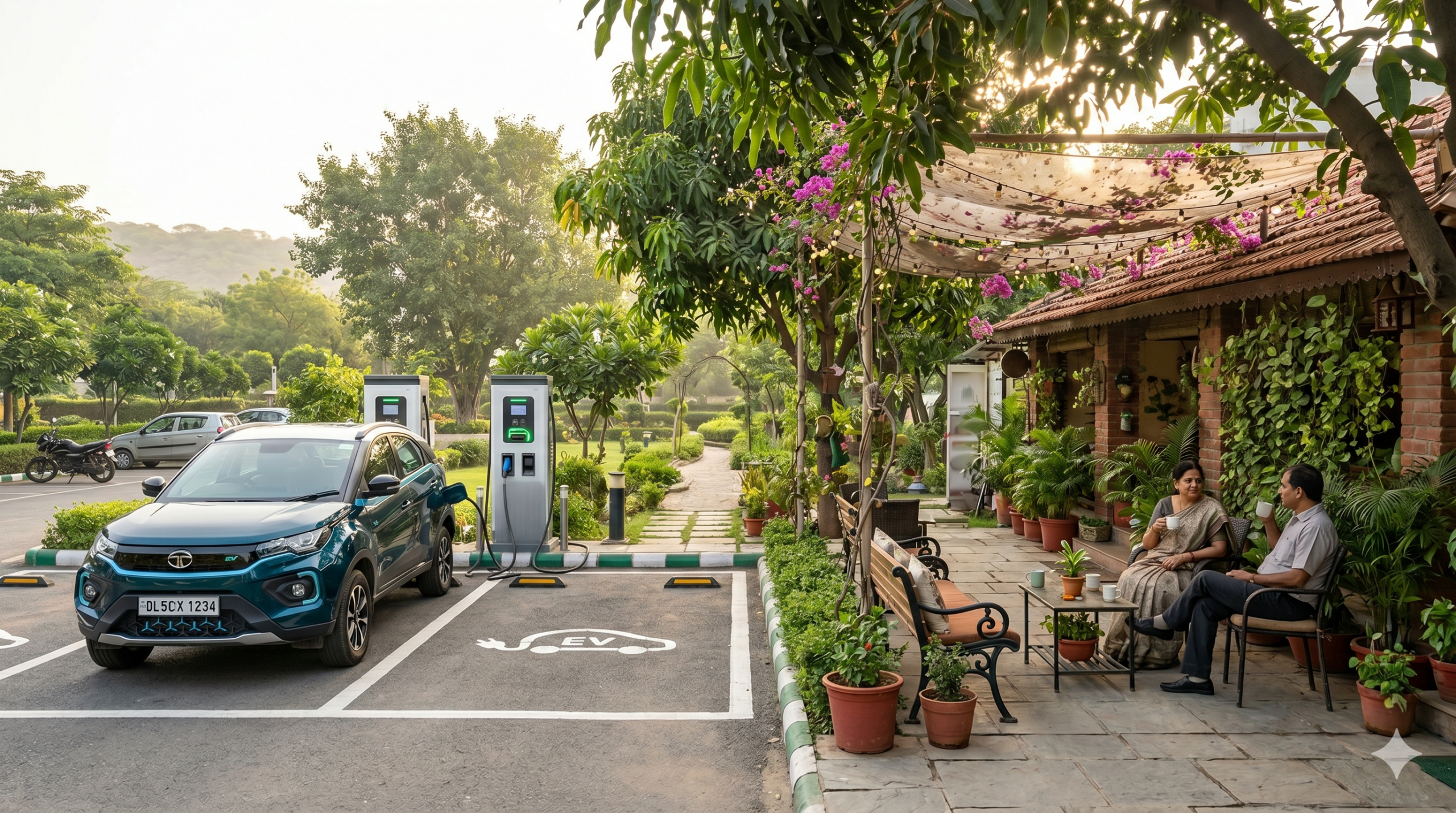
EV owners may need to wait while their vehicle charges. Nearby amenities can make the charging experience more comfortable and increase the attractiveness of the location.
Useful facilities can include:
- Clean and accessible parking
- Seating or waiting areas
- Restaurants, cafés or refreshment options
- Washroom access
- Weather protection
- Clear charging instructions
- Digital payment support
- Customer-support information
Internet and Digital Payment Support
Modern EV charging stations require internet connectivity for charger monitoring, digital payments, session management, remote diagnostics and user access through charging applications.
Reliable connectivity helps operators monitor charger availability, confirm payments, track charging sessions and respond to technical issues.
Users should have access to simple digital payment options with clear pricing and transaction confirmation.
Branding, Signage and Road Visibility
An EV charging station should be easy to identify from the road. Clear signage, visible branding, proper lighting and accurate map listings help drivers locate the station.
Visibility is particularly important on highways and busy roads. A site can underperform if drivers cannot see the entrance or safely access the charging area.
The station should also be correctly listed on navigation platforms and charging applications with accurate operating hours, charger details and contact information.
Maintenance and Charger Uptime
Chargers, cables, connectors, electrical panels, software and payment systems require regular inspection and maintenance. Poor maintenance can result in charger downtime, user complaints and lost charging revenue.
A preventive-maintenance plan should cover physical equipment, electrical infrastructure, software connectivity, payment functionality and safety systems.
Read the complete
EV charging station maintenance guide
for additional planning considerations.
Planning for Future Expansion
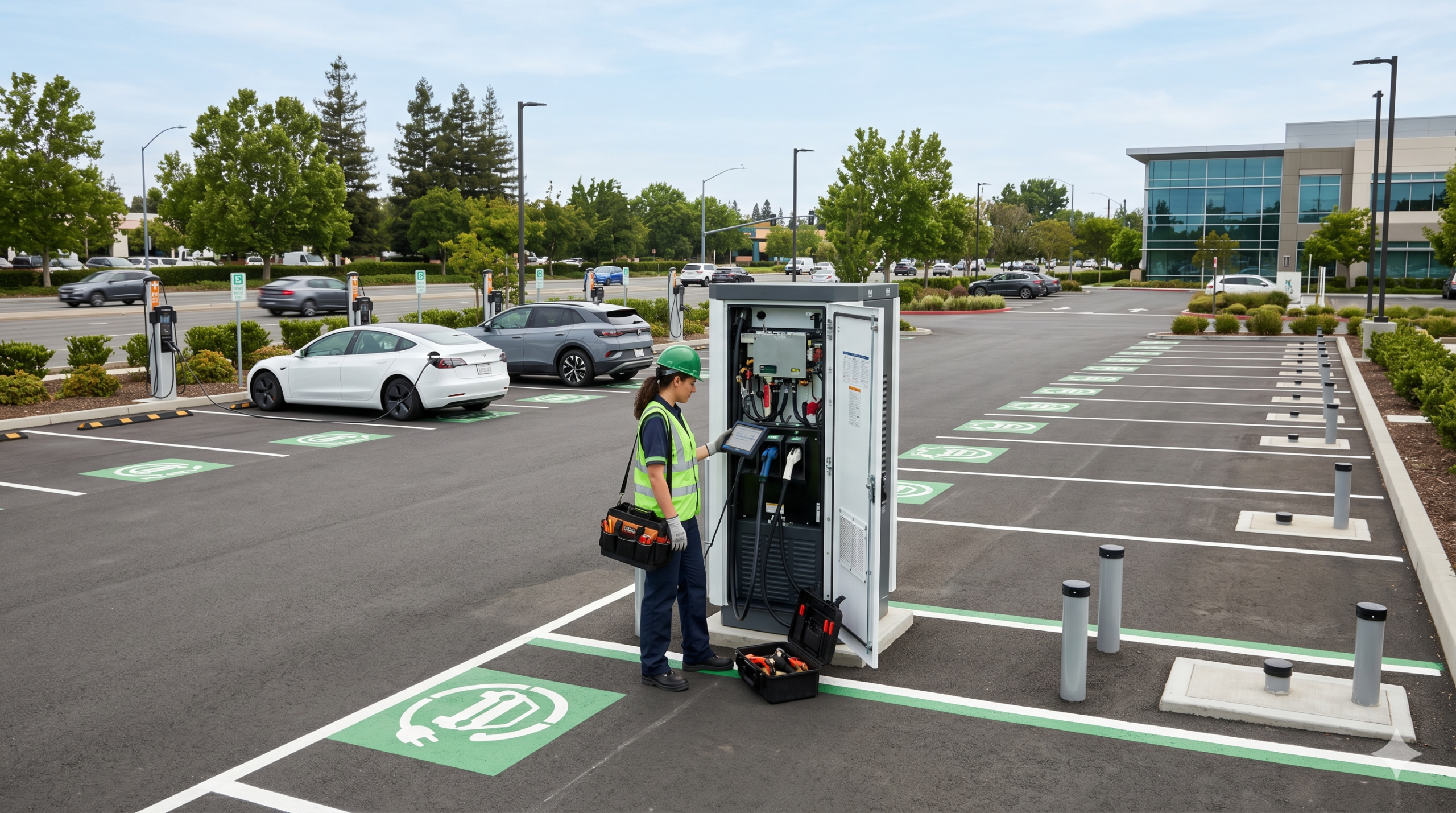
EV adoption is expected to increase over time, so the initial site design should allow for future expansion. A location that begins with a small number of chargers may require additional charging bays or higher-capacity equipment later.
Investors should check whether the location offers additional space, electrical-load upgrade potential, transformer capacity and layout flexibility.
Common Location-Selection Mistakes
- Choosing a site only because inexpensive space is available
- Ignoring local EV ownership and charging demand
- Selecting a location with poor road visibility
- Installing slow chargers where drivers require fast charging
- Installing oversized chargers in a low-demand area
- Ignoring electrical-load and transformer requirements
- Providing insufficient parking or turning space
- Overlooking user facilities and safety
- Failing to plan for maintenance and future expansion
Understand the Complete Investment
Location affects land cost, electrical work, transformer requirements, civil infrastructure and the charger configuration. Investors should assess the complete setup cost instead of considering only the charger’s purchase price.
Review the detailed
EV charging station franchise cost breakdown
to understand the major investment components.
Conclusion
The best location for an EV charging station is not determined by vehicle traffic alone. A suitable site needs measurable EV demand, reliable electricity, safe access, sufficient parking, visibility, nearby amenities and room for future growth.
Highways, fuel stations, commercial properties, hotels, offices, residential developments and fleet hubs can all support EV charging, but each location requires a different charger and operating strategy.
With careful location assessment and infrastructure planning, an EV charging station can provide a dependable service to EV users while supporting a sustainable commercial model.