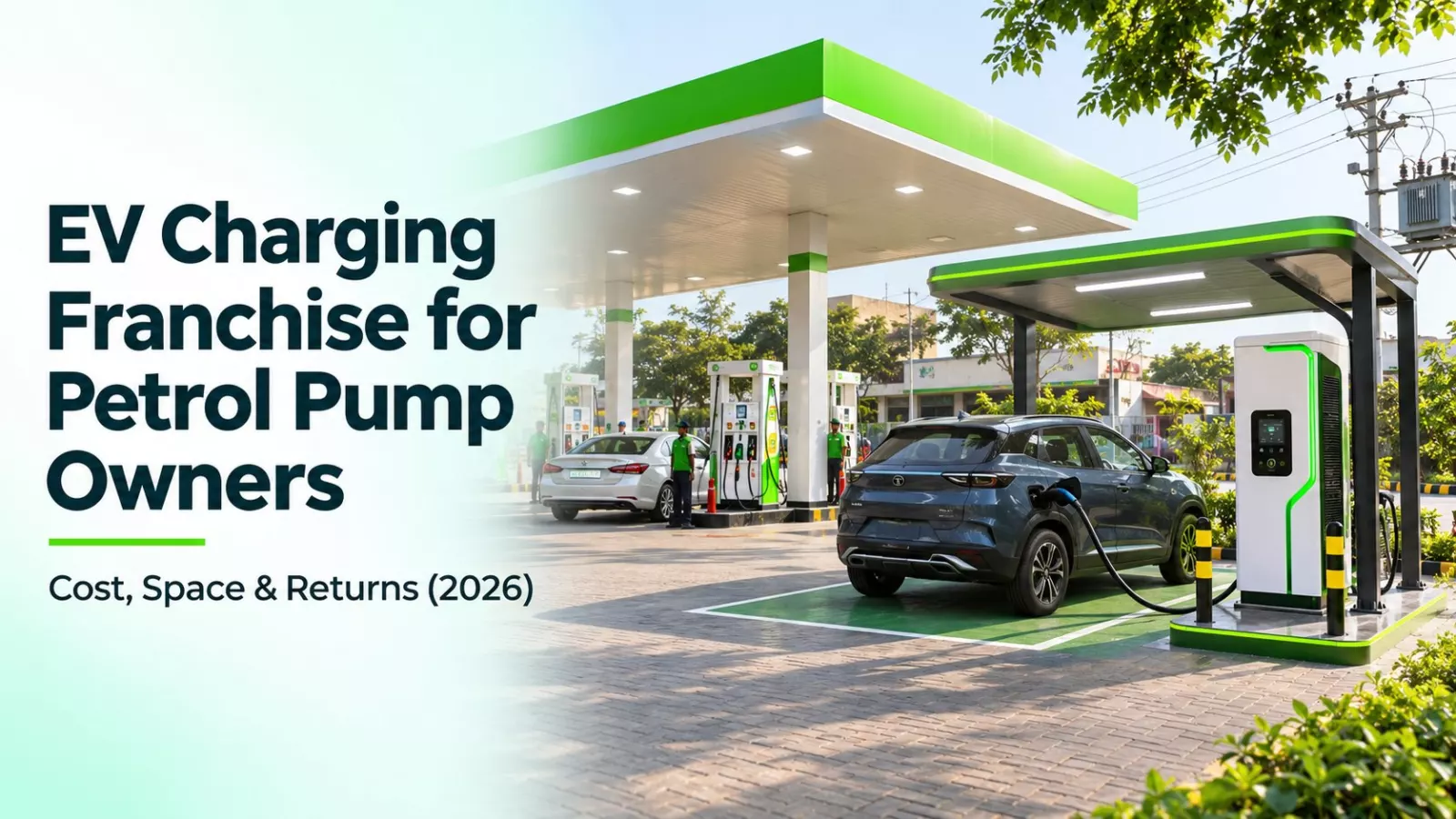
Quick Answer: A petrol pump is one of the best places for an EV charging station because it already has traffic, parking space, road access and a power connection. With EarthtronEV’s FOCO franchise, a fuel station owner can add a 40 kW to 150 kW DC charger from about ₹20 lakh to ₹45 lakh, while EarthtronEV handles approvals, installation, operations and monthly settlements.
Why should petrol pump owners add EV charging?
Fuel stations already have what a charging station needs most: steady vehicle flow, visibility from the road and space in the forecourt. As EV sales rise, adding chargers helps a pump earn from a new type of customer and stay relevant as some vehicle segments move to electric. Delhi, for example, plans to register only new electric autos from 1 January 2027 and only new electric two-wheelers from 1 April 2028.
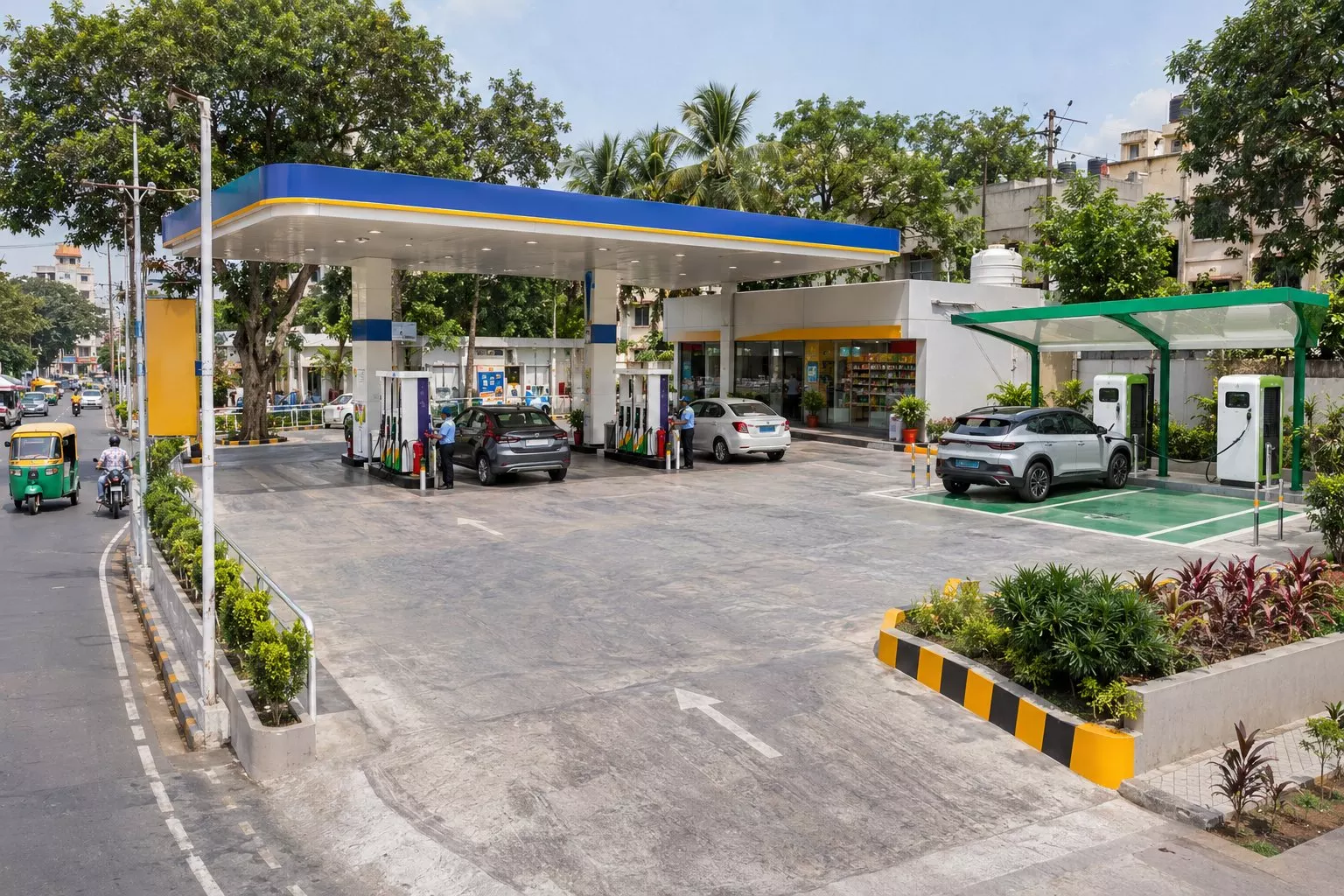
How much space does a petrol pump need for EV chargers?
| Charger | Space needed | Typical full setup cost |
|---|---|---|
| 40 kW DC | ~100–150 sq ft (1–2 bays) | ₹20L – ₹24L |
| 60 kW DC | ~150–200 sq ft (2 bays) | ₹24L – ₹28L |
| 150 kW DC | ~250–350 sq ft (2–3 bays + transformer) | ₹28L – ₹45L |
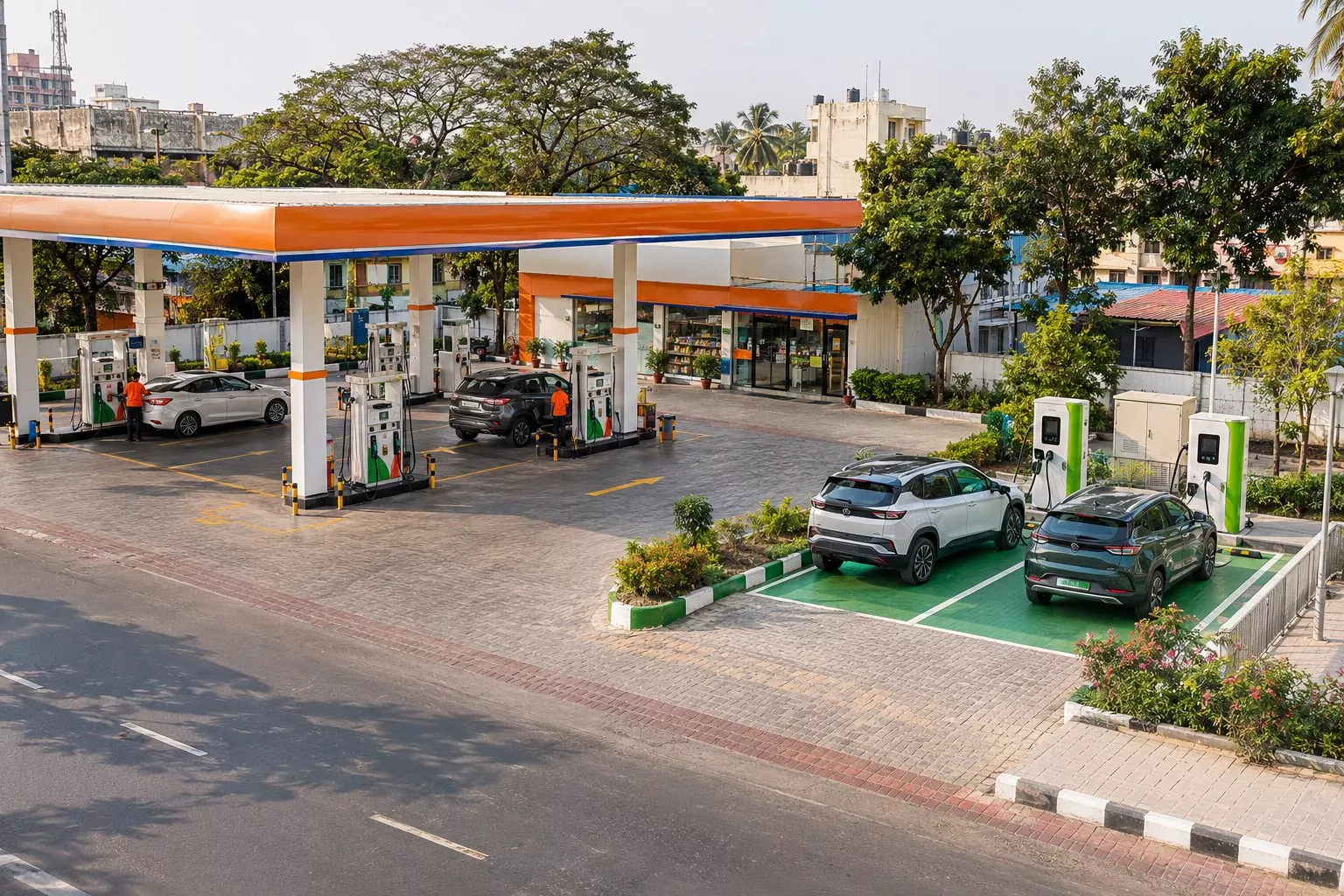
Most urban pumps can fit a 40 kW or 60 kW charger. Highway pumps with more land suit 150 kW or higher.
What power connection is needed?
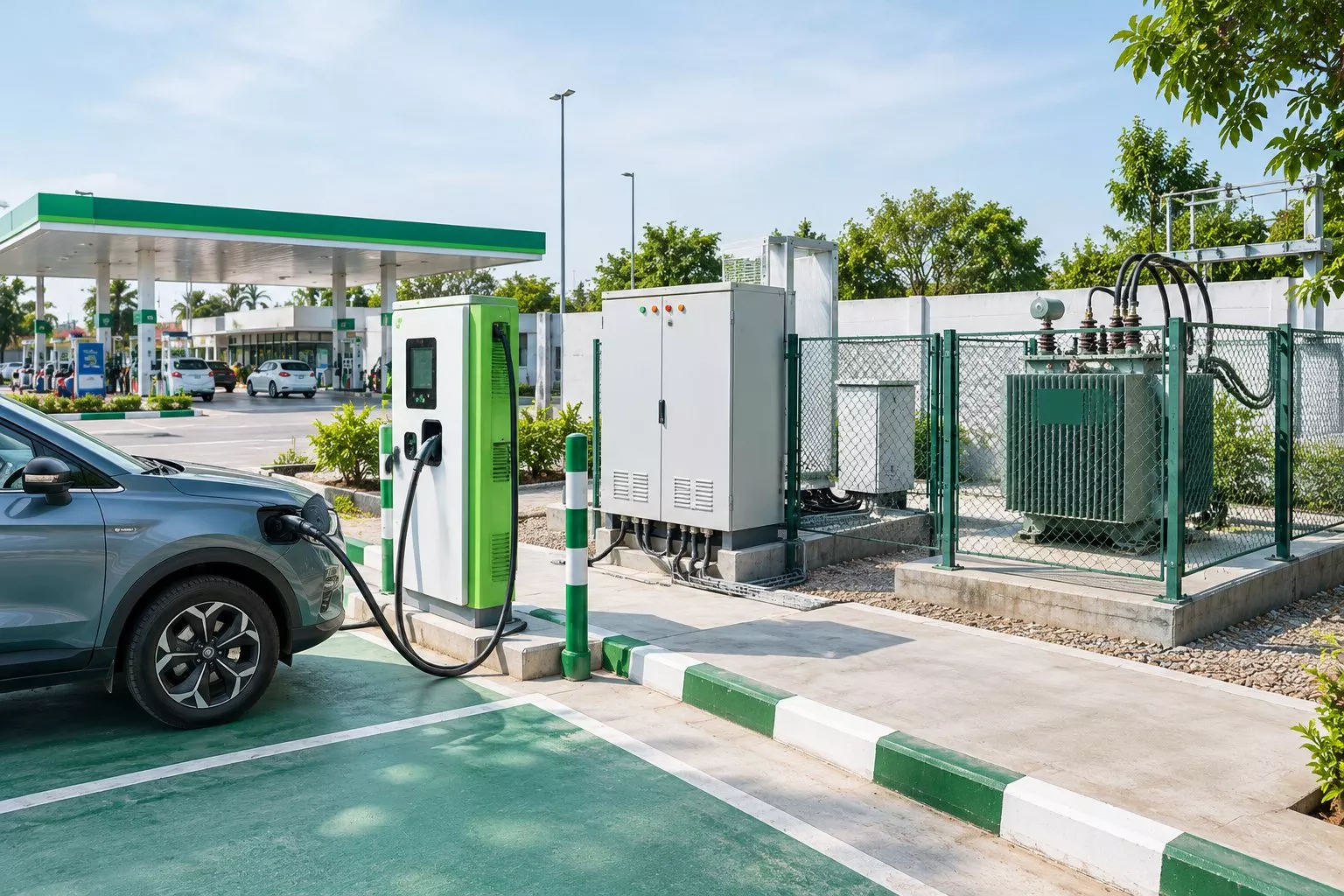
EV chargers need a dedicated EV electricity connection. Higher-capacity chargers may need a transformer upgrade. EarthtronEV’s technical team surveys the existing load and manages the EV connection and transformer work.
How does the franchise work for a fuel station?
- Share your pump location and investment level.
- EarthtronEV assesses traffic, EV demand and power.
- Technical survey and charger recommendation.
- Franchise agreement and charger procurement.
- EV connection, installation and CMS integration.
- Go-live, with EarthtronEV running the station and settling returns monthly.
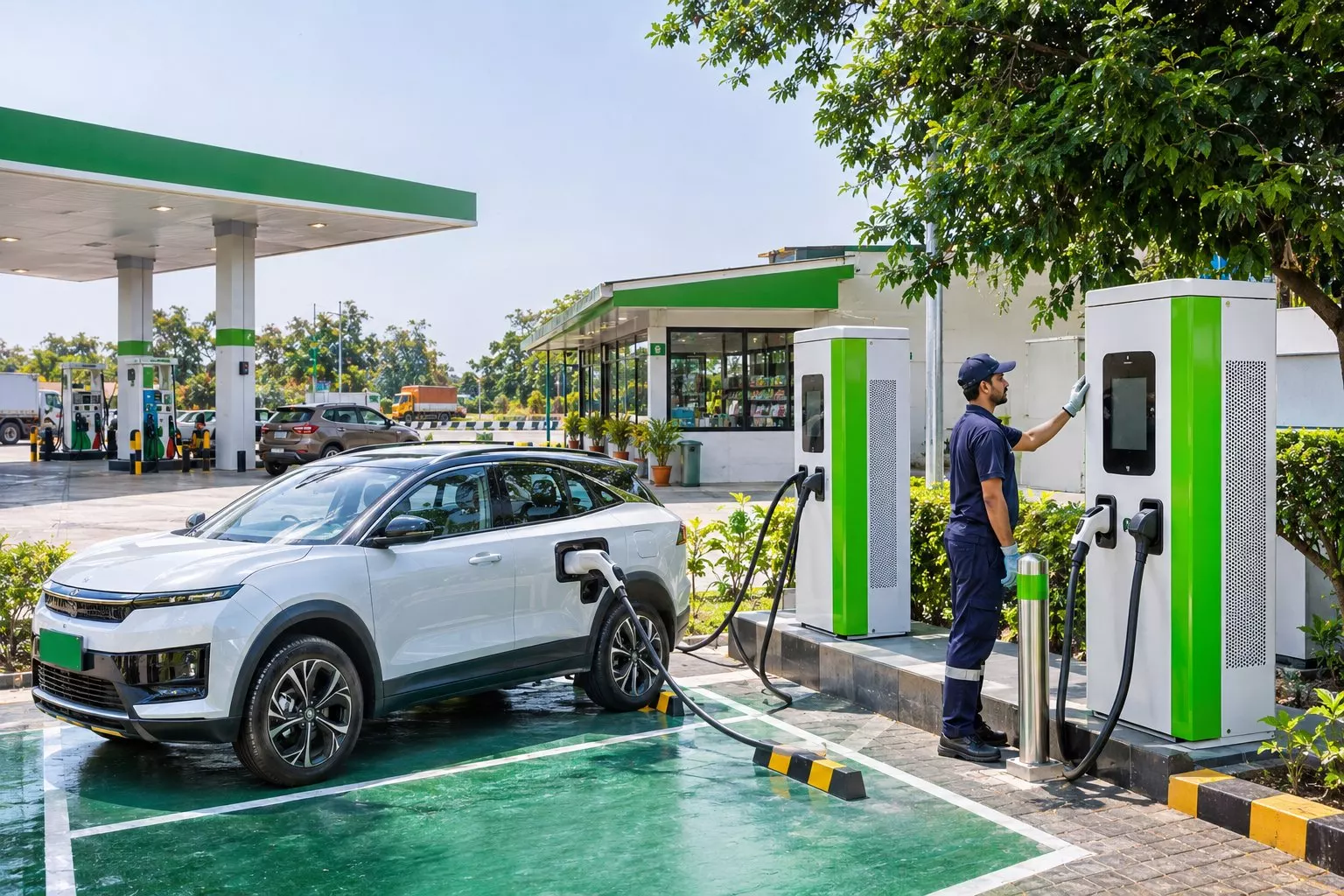
You do not need to hire staff or manage billing. EarthtronEV operates the station as the Charge Point Operator.
What can a petrol pump EV charger earn?
Returns depend on usage, tariff, electricity cost and the revenue-share terms. As an illustration, a 60 kW station costing about ₹26 lakh earns roughly ₹84,400 a month net before revenue share at moderate usage (8 sessions a day), a payback of about 31 months. Highway pumps with high traffic can do better. Returns are not guaranteed. Use the revenue calculator for an estimate.
Extra benefits for the pump
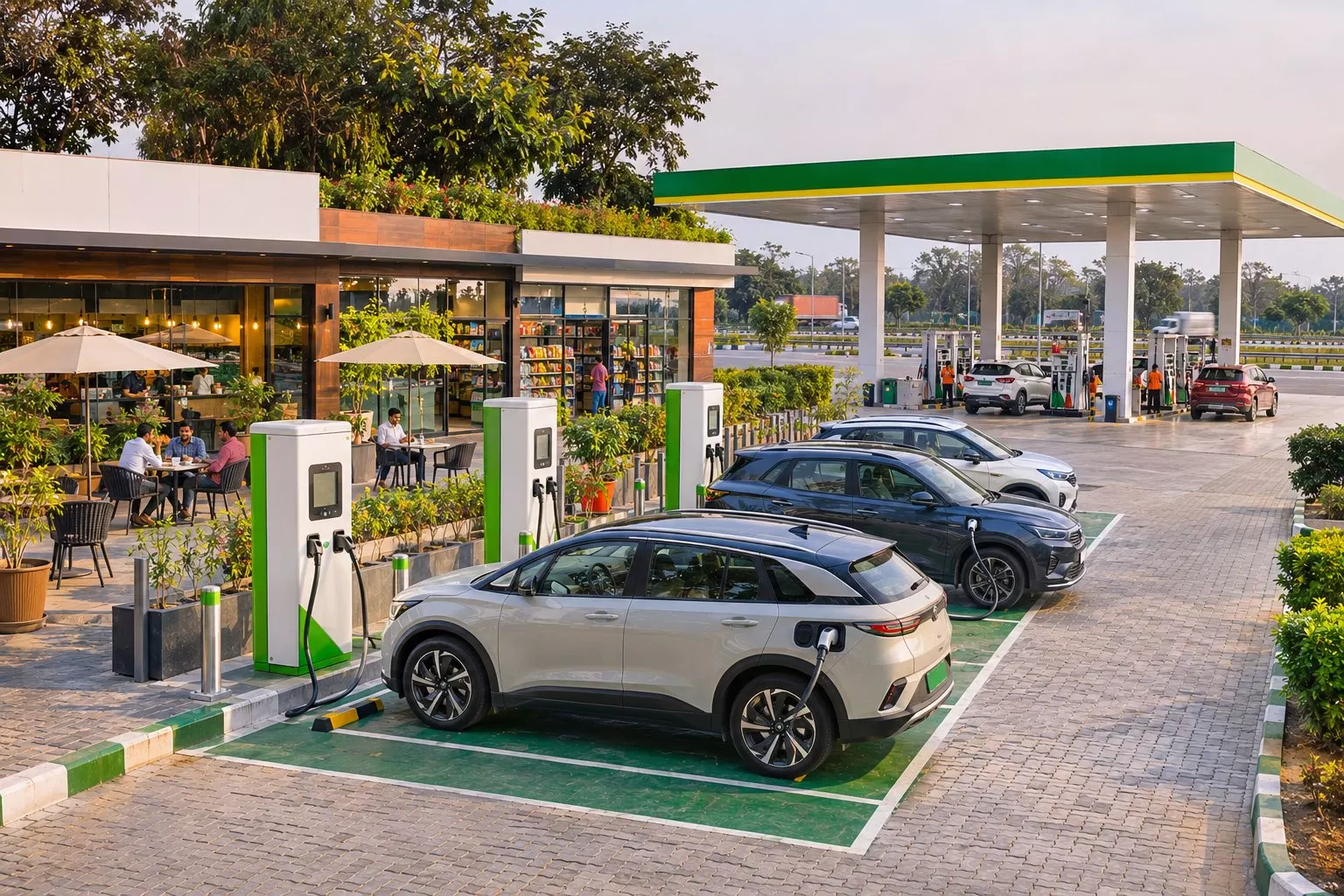
- Drivers wait 20–60 minutes, which can boost sales at the convenience store or food outlet.
- The pump gets listed on EV charging apps and maps, bringing new footfall.
- It future-proofs the business as EV adoption grows.
FAQs
Can I install an EV charger at my petrol pump? Yes, subject to safety rules, space and power availability. EarthtronEV assesses the site and handles approvals.
Do I need to run the charger myself? No. Under FOCO, EarthtronEV runs it.
Which charger is best for a highway pump? Usually a 60 kW to 150 kW DC fast charger, depending on traffic and power.
Is there a government subsidy? The PM E-DRIVE scheme supports public charging for eligible entities. See the PM E-DRIVE subsidy guide.
Conclusion
A petrol pump already has the traffic, space and access an EV station needs. With a managed FOCO franchise, owners can add EV charging without running it themselves. Apply for an EarthtronEV franchise to get a site assessment for your pump.